




A full residential roof replacement in the Chicago suburbs runs $12,000 to $45,000 or more in 2026. A typical 1,800 to 2,200 square foot home with architectural shingles lands between $16,000 and $24,000. If the roof was storm damaged, insurance typically covers replacement minus your deductible, which changes the entire calculation.
Not sure what your roof needs? Start with a photo.
Photograph the gutters, vents or shingles. We circle what we seem to see and say whether an inspection is worth it.
Free. 30 seconds. No signup.
This AI only looks for storm and roof damage, and it isn't perfect. Think of it as a good starting point for a conversation.
Your browser shrinks the photo and removes the location data before it leaves your device. Privacy details.
Want to check recent storms near you? Your city only.
We never ask for a street address here, and the city stays in your browser.
Want us to get an inspector over, as soon as tomorrow in most cases?
A free inspection puts someone on the roof with a hand on the shingle. The report is yours to keep.
What Does a New Roof Cost by Home Size?
The national averages that show up in a search are close to useless here. Illinois labor rates, material costs, and permit requirements put this market well above those numbers, so here's what real Chicagoland projects run in 2026.
Wondering about timing? Yes, roofs can be replaced in a Chicagoland winter, with conditions. See winter roof replacement.
| Home Size | Typical Roof Complexity | 2026 Price Range |
|---|---|---|
| 1,200-1,500 sq ft ranch | Simple roofline | $12,000-$16,000 |
| 1,800-2,200 sq ft | Moderate complexity | $16,000-$24,000 |
| 2,500-3,500 sq ft | Steep pitch, dormers, valleys | $28,000-$45,000 |
| 3,500+ sq ft | Premium materials, complex architecture | $45,000+ |
Ranges assume one tear-off layer, architectural shingles (GAF Timberline HDZ or comparable), synthetic underlayment, and typical flashing and ventilation work.
Who's paying matters as much as the size of the roof. The same project looks completely different depending on whether it's your money or an approved insurance claim.
| Paying Cash | Insurance-Funded (Storm Damage) | |
|---|---|---|
| What you pay | The full project price. | Typically your deductible only. |
| What sets the scope | Your budget. | The approved claim scope, built from documented damage. |
| Materials | Whatever you choose to afford. | Like-kind replacement, with upgrades available as an out-of-pocket option. |
| Timing | Your schedule. | After claim approval; your policy sets its own deadline to report a loss. |
| Watch out for | Underscoping the project to save money. | Missing the recoverable depreciation check on RCV policies. |
Insurance figures assume a covered peril and an approved claim; your policy controls.
What Drives the Price?
Roof size is the biggest variable, and roofers measure it in squares, with each square covering 100 square feet of roof surface. A 2,000 square foot home doesn't have a 2,000 square foot roof, because pitch stretches the surface. A 6/12 pitch adds about 12% over the home's footprint, and a steep 12/12 pitch adds about 41%.
Pitch also drives labor directly. Once the slope exceeds 7/12, crews need harnesses, toe boards, and staging, which slows production. A crew that shingles 25 squares a day on a walkable roof might finish 15 on a steep one.
Tear-off layers matter too. Illinois code allows a maximum of two shingle layers, so a home already carrying two needs a full strip to bare decking, which takes more labor, fills more dumpster space, and tends to reveal decking problems underneath.
Decking repairs are the wildcard nobody can price from the ground. Replacing damaged boards runs $2 to $5 per square foot affected, so 100 square feet of rot adds a few hundred dollars, while widespread deterioration can add thousands. No honest contractor knows the decking condition until tear-off day.
How Do Material Tiers Change the Cost?
Asphalt shingles have settled into three tiers, with a premium category above them. Your choice here moves the total by thousands of dollars.
Three-tab shingles are the economy option at roughly $80 to $100 per square installed. They're flat, thin, and typically rated for 60 mph winds, and they're fading from the market because the next tier up buys dramatically better performance for a modest bump.
Architectural shingles run $100 to $150 per square installed and are the standard, going on roughly 85% of the roofs we install. GAF Timberline HDZ, CertainTeed Landmark, and Owens Corning Duration dominate Chicagoland, carry 30 to 50 year warranties, and hold ratings up to 130 mph winds. Unless you have a specific reason to go elsewhere, this tier is where most homes land.
Designer shingles from the same manufacturers run $150 to $250 per square installed, trading a thicker profile and premium look for 30 to 60% more material cost. Above that sit synthetic slate products starting around $300 per square and standing-seam metal at $400 to $800 per square. Those are legitimate options, but they're a different project than a standard shingle replacement.
Free Storm Damage Inspection
Haag-certified inspectors. Full photo documentation. Adjuster meeting and supplements for documented misses.
Get My Free InspectionOr call (708) 847-5095
Why Is Chicagoland More Expensive Than the National Average?
Expect to pay 15 to 25% above the national figures you see online. The gap is structural, not padding.
Illinois has a strong union presence in the construction trades, which means higher hourly rates along with stricter training and benefit requirements. State licensing, general liability, and workers' comp aren't optional for a legitimate contractor, and municipal permits typically add $75 to $300 per project. Those costs show up in every honest quote.
The calendar squeezes pricing further. Shingle installation is impractical across most of Chicagoland from November through March, so a full year of demand gets compressed into the May through October window, keeping crews booked and rates firm.
Storms add spikes on top of the seasonal squeeze. A single confirmed hail event can generate thousands of roof claims across a few suburbs at once, and that concentrated demand is part of why storm restoration pricing rarely softens here.
How Does Insurance Change the Math?
For covered storm damage, the price conversation flips. If hail, wind, or a fallen tree damaged the roof, homeowner's insurance typically pays the replacement cost minus your deductible. Your out-of-pocket cost for the covered work is your deductible. Your policy sets it: often a flat amount such as $1,000 to $2,500, and for wind and hail frequently a percentage of dwelling coverage (1% to 2%), which on a $400,000 home is $4,000 to $8,000.
The payment mechanics are worth knowing up front. Carriers typically issue two checks, roughly 55% and then 45%, signed over as the work progresses, with your deductible usually split between them. On replacement cost value policies, the second check is the recoverable depreciation, and it generally releases after completion is documented. The Insurance Information Institute explains how RCV and actual cash value policies differ.
One exception we disclose on every claim job: rotted decking replacement is charged to you, because crews can't safely stand on rotten boards and pre-existing rot generally isn't part of a storm claim.
And if the carrier approves less than the recommended scope, you're not stuck. We can match the project to the payout, same materials and same warranty, so the approved amount still buys a complete roof. For the full decision, see our guide comparing an insurance claim vs paying out of pocket, plus our other insurance resources.
Why the Cheapest Bid Usually Costs More
When one of three quotes comes in 30% below the others, that's not a deal, it's a red flag. The low bidder is cutting somewhere, and the cuts land exactly where you can't see them after installation day.
The usual shortcuts: thinner underlayment or skipped ice-and-water shield, reused flashing and pipe boots, fewer nails per shingle than manufacturer specs require, and no permit. Together those save $2,000 to $4,000 on a typical job.
What they buy you is leaks in years 3 to 5 and a voided manufacturer warranty, since manufacturers condition their coverage on spec-compliant installation. The contractor quoting $14,000 against two $19,000 quotes isn't more efficient. The difference comes out of your roof's lifespan.
What Should a Real Estimate Include?
Anyone quoting your roof from a phone call or a satellite image is guessing. A real estimate starts with a physical inspection: actual roof measurements, decking assessment where possible, a count of penetrations, valleys, and transitions, and a look at the existing ventilation.
It should also be itemized. Look for separate line items covering tear-off and disposal, underlayment, ice-and-water shield, flashing, drip edge, shingles by product name, ridge vent and cap, labor, and the permit. A single lump number can't be compared to anything, and you have no way to know what's excluded.
Itemization also matters on installation week, since you'll know exactly what's going on the roof over your head. If you're planning to be home during the work, our guide on staying in your house during a roof replacement covers what to expect.
If your roof took storm damage, get the damage documented before you price anything, because an approved claim typically turns a five-figure project into a deductible. If you're paying cash, buy the itemized scope, not the lowest number.
You're likely in claim territory when
- A confirmed hail or wind event hit your area recently
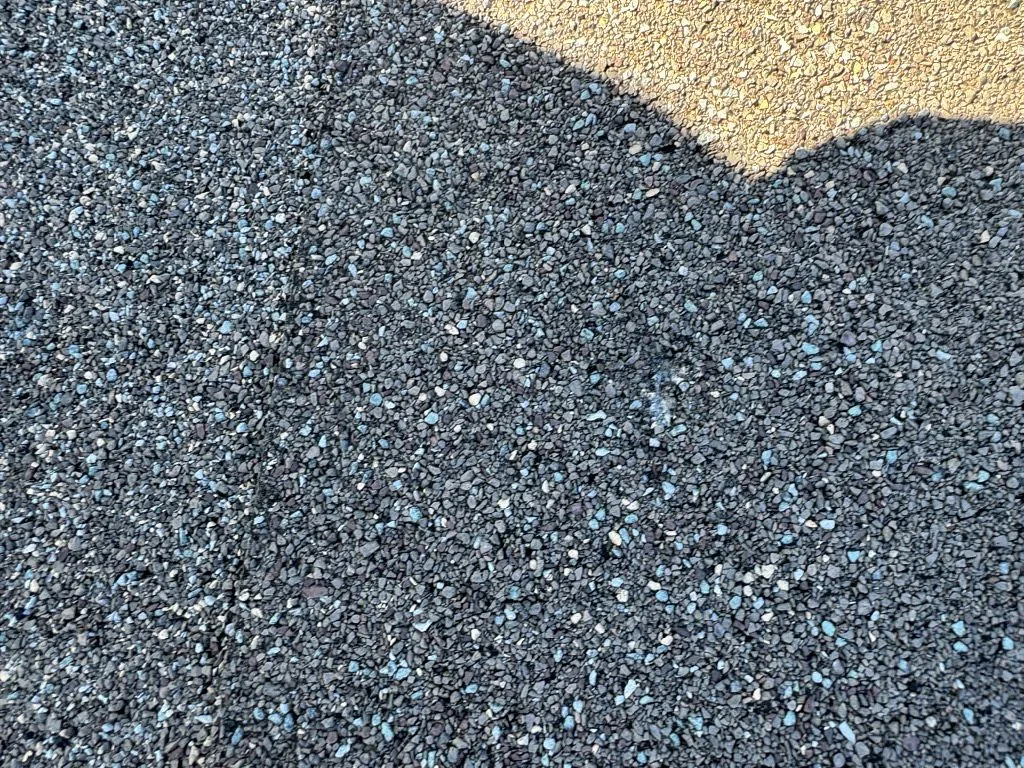
- You can see missing shingles, dents, or granule loss
- Neighbors are getting roofs approved on the same storm
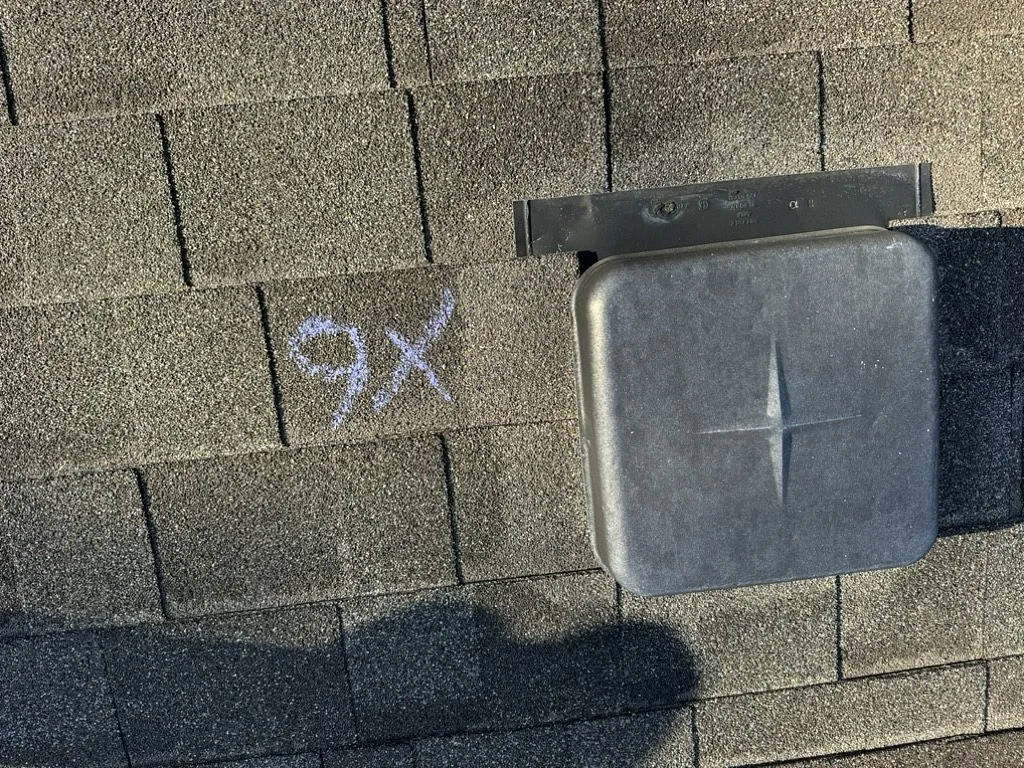
- A documented inspection finds damage across full slopes, not one spot
You're in cash territory when
- The roof is simply old, worn, or past its lifespan
- The damage predates any storm event
- A repair below your deductible solves the problem
- You skipped filing and the policy's deadline to report has passed
Chicago Storm Pros is a service of C&N Construction, Inc. (cnroofs.com). Reviews, project counts, certifications, and ratings shown here reflect C&N Construction's work.
Related Decisions
- Insurance claim vs paying out of pocket for your roof
- Roof repair cost in Chicagoland: when a repair is enough
- Roof repair vs replacement: how to decide
Get an Itemized Number for Your Roof
Free Haag-certified inspection with full photo documentation. You get a line-item scope you can compare against any other quote, and the report is yours to keep.
Get My Free InspectionOr call (708) 847-5095