
Hail Hit Your Roof?Free Inspection Today.
Free storm damage roof inspection. We dispatch a Haag-certified inspector to your address same day in most cases, document every hit, and meet your adjuster at the inspection. No cost. No obligation. Based in Hillside, IL.
Chicago Storm Pros is a service of C&N Construction, Inc. (cnroofs.com). Reviews, project counts, certifications, and ratings shown here reflect C&N Construction's work.
Free Storm Damage Roof Inspection
We dispatch a Haag-certified inspector to your address, same day in most cases.
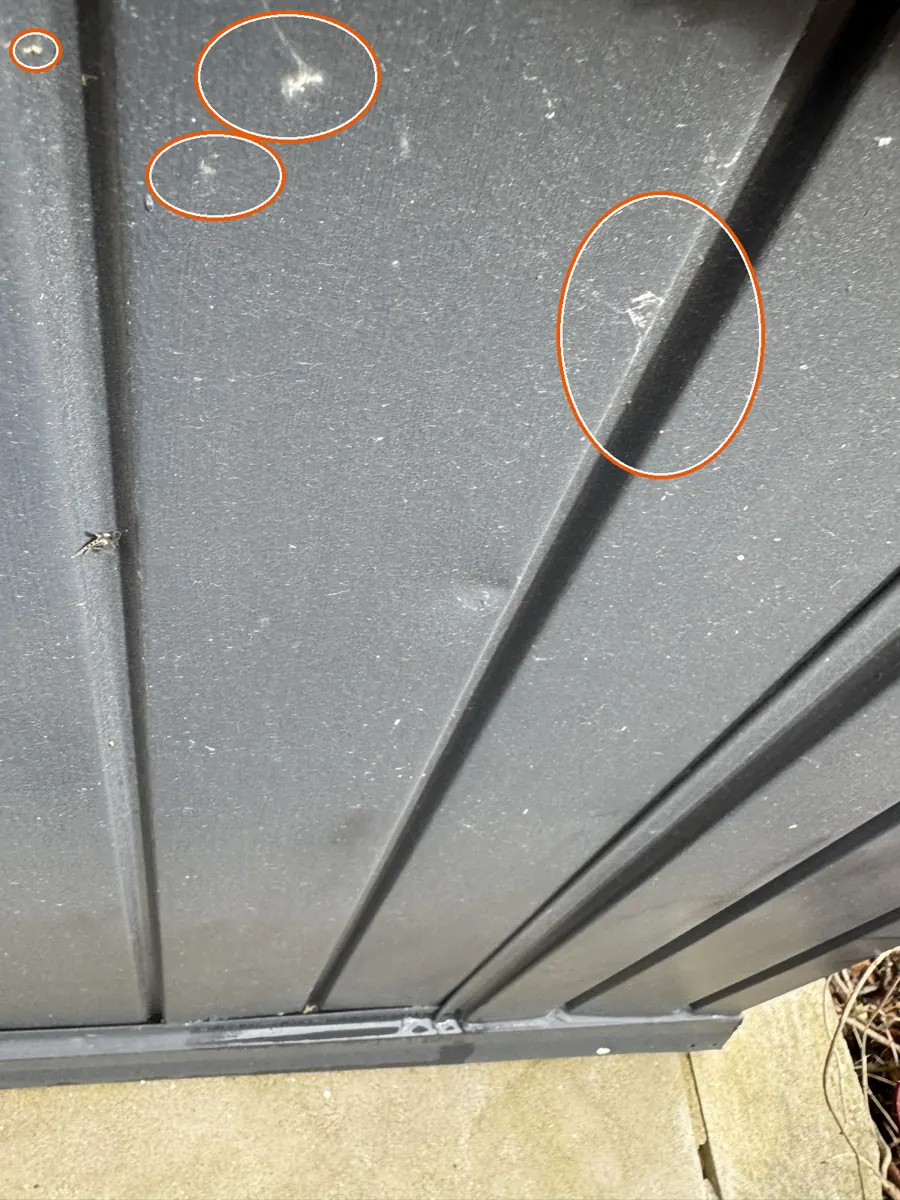
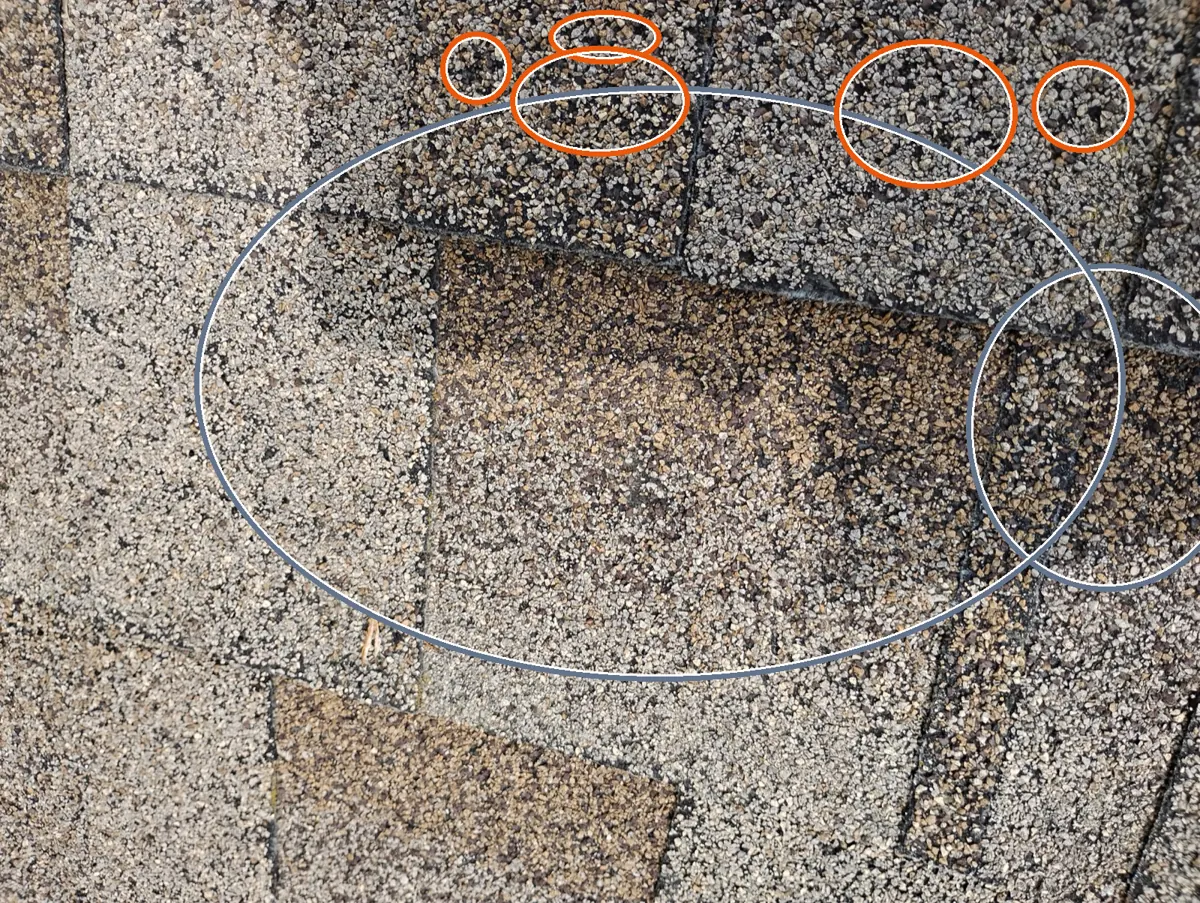
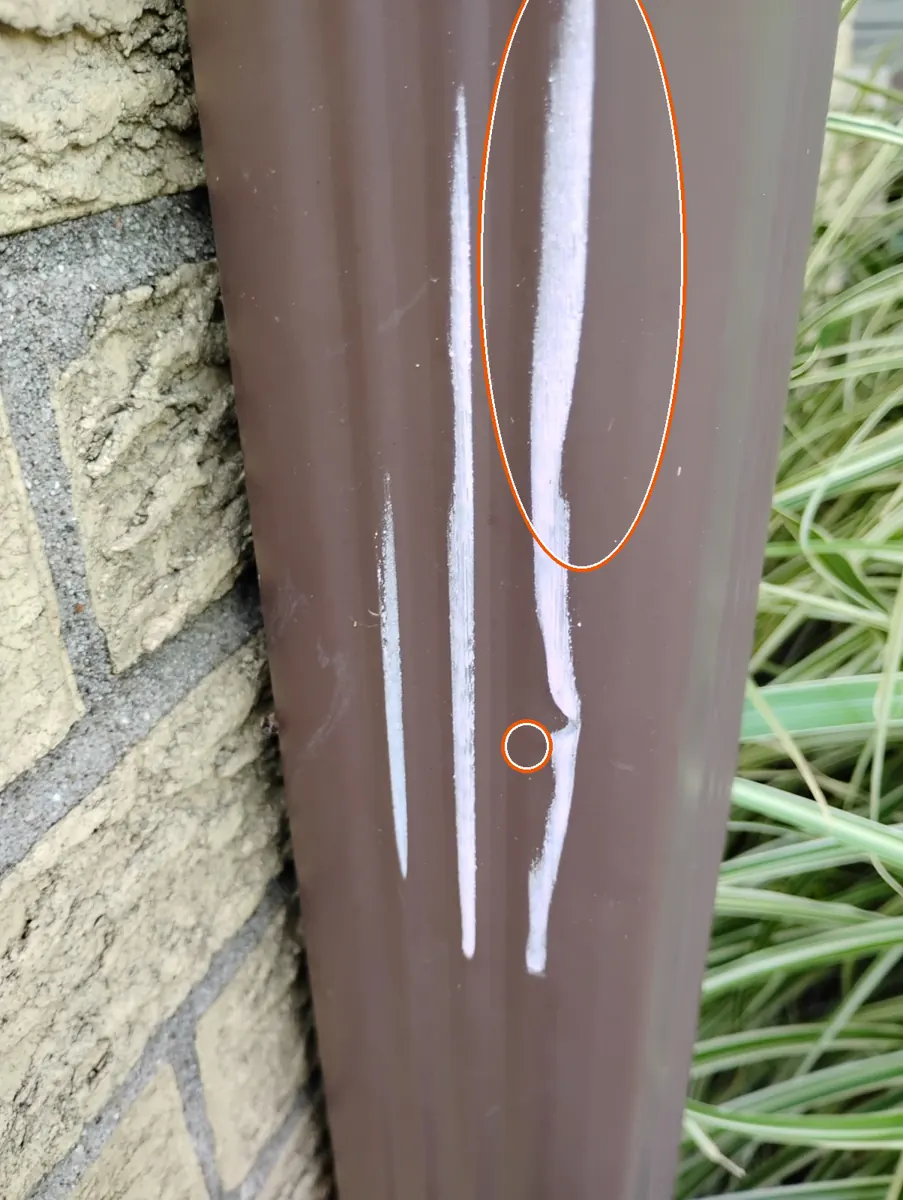
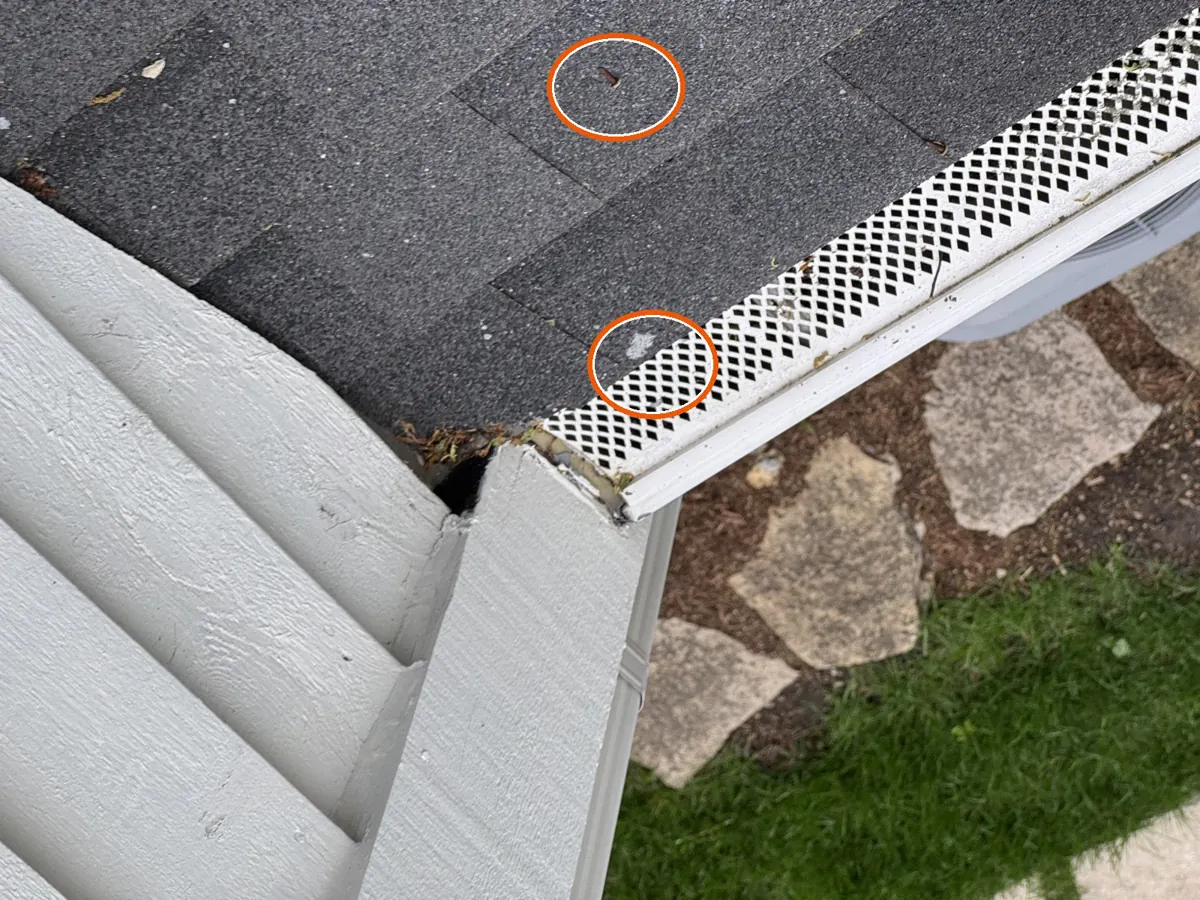
What hail damage looks like on real roofs
Every photo is from a real C&N job. The circles mark what our team flagged.
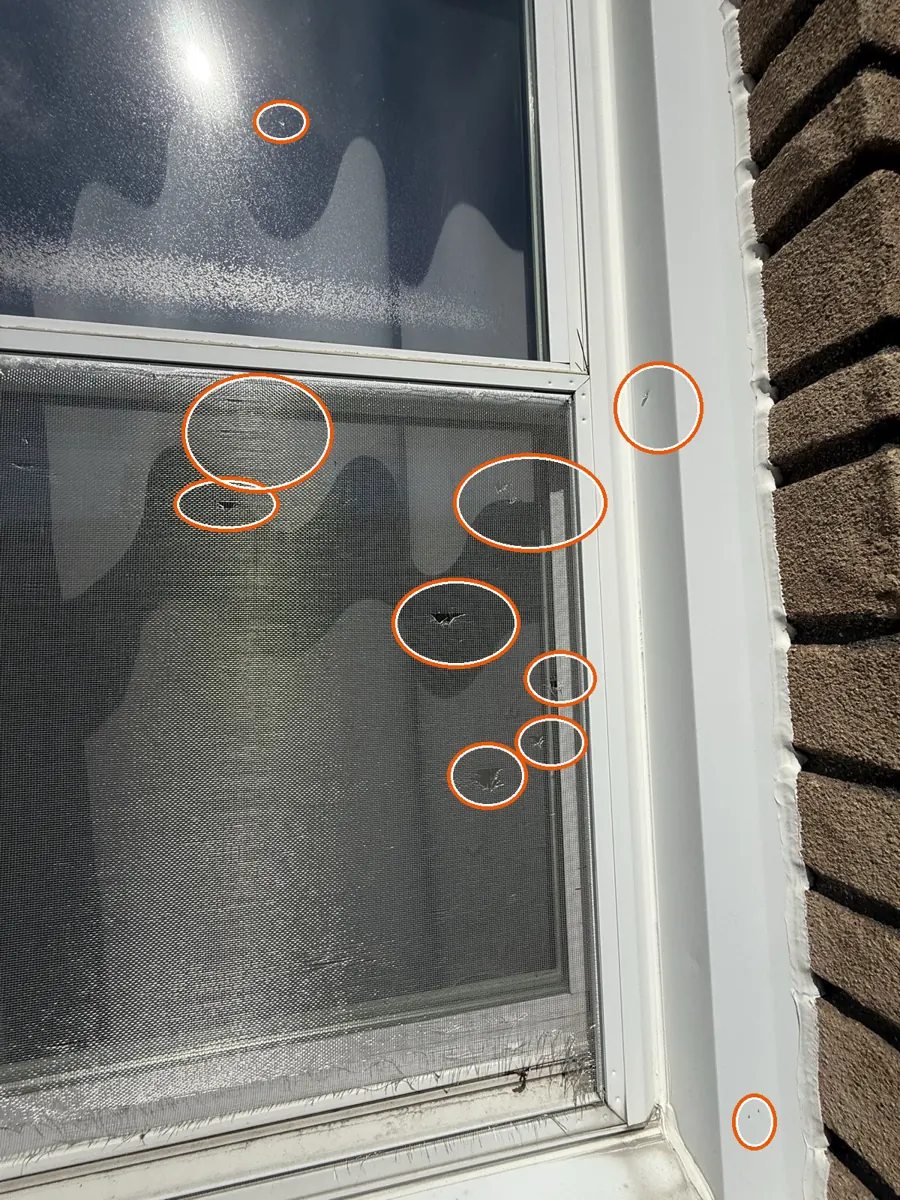
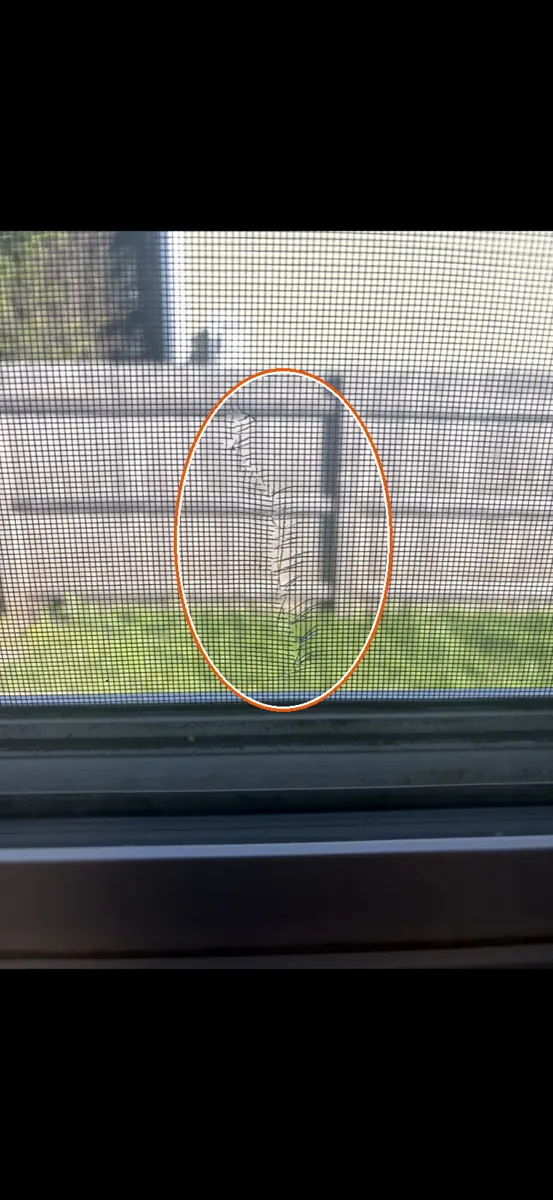
Think you have the same thing? Check your roof
Storm reports reached Chicagoland on October 16, 2026: 49 mph gust.
Your policy sets its own deadline to report the damage, so check your declarations page. We'll document the roof and walk you through what happens next, in plain English.
Source: O'Hare (ORD) airport observations, October 16, 2026: peak wind 43 knots (49 mph) at 4:53 p.m.





"I was very worried about storm chaser roofers. Matt was patient and explained the whole process. He worked with me and my insurance company throughout."
Ram P."Donte Dacres provided outstanding service. He made the call to my insurance company with TOTAL professionalism."
Judith W."They were extremely helpful, polite, timely, professional. All my neighbors are now jealous and calling C&N."
Tom V."My insurance company said they would not cover my whole roof. C&N demanded a second insurance appraisal and BINGO!"
Michael G.August 11, 2026 tornado reports. EF2 tornado, 6 reported, 97 mph gust in Cook, DeKalb, DuPage, Kane Counties. If your home was in the storm path, an inspection will show what the roof looks like.
Free storm damage inspections available now for all affected homeowners.
Your policy sets its own deadline to report storm damage, and some are shorter than homeowners expect. Check your declarations page before you wait.
We'll walk you through how a roof claim works: what the adjuster looks for, what our report documents, and what happens at each step. Get your roof documented while the damage is fresh.
This Is What a Documented Roof Looks Like
Real footage from our crews, not stock. The inspection that documents every layer for your claim, the tear-off down to the deck with new wood wherever it's needed, and the roof that goes back on built for the next storm.
- Storm damage hides at the edges. That's what gets missed.
- New decking whenever it's needed, never a layover.
- Local, licensed, and permanently here to honor the warranty.
Think hail hit your roof? Snap a photo.
Photograph the gutters, vents or shingles. We circle what we seem to see and say whether an inspection is worth it.
Free. 30 seconds. No signup.
This AI only looks for storm and roof damage, and it isn't perfect. Think of it as a good starting point for a conversation.
Your browser shrinks the photo and removes the location data before it leaves your device. Privacy details.
Want to check recent storms near you? Your city only.
We never ask for a street address here, and the city stays in your browser.
Want us to get an inspector over, as soon as tomorrow in most cases?
A free inspection puts someone on the roof with a hand on the shingle. The report is yours to keep.
August 2026 update: for the August 11 derecho, the local storm reports list a highest gust of 97 mph at Sugar Grove in Kane County (NWS local storm report) and six tornadoes. The record lists no hail report of 1 inch or more that day. One year after this event is August 11, 2027, a useful outside marker, but your policy may require notice sooner. Our full August 11 recap covers the reports.
Why Chicago Is a Hail Damage Hotspot
Illinois consistently ranks among the top five states in the country for hail damage insurance claims. That's not a fluke. The geography of the Chicagoland region, flat terrain meeting warm moist air from the south, creates the perfect conditions for severe thunderstorms from April through September. Peak hail season runs May through July, when supercell storms roll across the western suburbs with regularity.
Wind does different damage than hail. See wind damage on a roof for creased tabs, lifted shingles and what to photograph.
Lake Michigan adds another layer of instability. Moisture off the lake fuels storm cell intensification, particularly when cold fronts push through. Storms that might weaken over drier terrain gain energy as they approach the metro. The result can be bigger hailstones and stronger updrafts across DuPage, Cook, Will, and Kane counties.
The March 10, 2026 hail is an example. NOAA Storm Events lists 4.8 inch hail at Darien in DuPage County, among 17 reports across Cook, DeKalb, DuPage, Kane, Kendall and Will Counties. Aurora, Bolingbrook, Joliet, La Grange and Plainfield were also named (NOAA event record).
Here's the number that matters for homeowners: 1 inch. That's the hailstone diameter, roughly the size of a quarter, where damage to standard asphalt shingles begins. Once hail reaches 1.5 inches (walnut-sized), damage to most roofing materials becomes likely. The largest stone reported on March 10, 2026 was 4.8 inches, more than three times that size.
“Water is coming through the ceiling and I need someone today.”
24/7 emergency repair and tarping“There's a leak and I don't know where it's coming from.”
Leak diagnosis and repair, priced honestly“There's water pooling where it never pooled before.”
Get it looked at before it comes inside“The hail damage looks terrible from the street.”
Hail inspection and the insurance pathFor the season in aggregate, we logged every Chicagoland storm day of 2026 with hail, damaging wind or tornado reports in the 2026 Chicagoland Storm Report, including which towns were named most often and a source link for each day.
What Hail Damage Looks Like on Your Roof
Asphalt Shingle Damage
Hail strikes asphalt shingles with enough force to knock granules loose and fracture the fiberglass mat underneath. The visible evidence is a dark, circular mark where the granules are missing. Run your hand over it and you'll feel a soft, spongy spot. That's a bruise. The granule layer is the shingle's UV protection and waterproofing surface, so once it's gone, the exposed mat deteriorates fast.
Larger hailstones don't just bruise. They crack the mat itself, creating fracture lines that may not be visible without close inspection. These cracks allow water to penetrate the shingle even though the surface looks largely intact from a distance. On architectural shingles, the damage often hides in the shadow lines between the laminated layers. One of the earliest warning signs is granules collecting in your gutters after a storm.
Hail damages the whole exterior, not just the roof. Our siding storm damage guide covers what impact looks like on vinyl, aluminum, and fiber cement and why like-kind matching decides the scope, and the gutter storm damage guide explains why dented soft metals are the evidence that proves a hail event struck your address.
Metal Component Damage
Metal takes hail hits differently than shingles. Flashings around chimneys, walls, and valleys dent and deform. Pipe boots and plumbing vents get pockmarked. Gutters show circular dents along their length, and downspouts can collapse at the elbows. Ridge vents, furnace caps, and attic exhaust vents all catch direct hits because they sit at the highest points of your roof.
Metal damage matters because it compromises seal integrity. A dented pipe boot no longer makes a watertight seal around the pipe. Bent flashing pulls away from the surface it's supposed to protect. These are the spots where leaks start, sometimes months after the storm.
Other Exterior Damage
Hail doesn't stop at the roof. Vinyl and aluminum siding takes dents and cracks. Window screens get shredded. Skylight glazing chips and cracks. Fence posts, deck rails, AC condenser fins, and outdoor light fixtures all show impact marks. If you see damage on these surfaces, your roof may have taken hits too.
The Hidden Damage Problem
The biggest challenge with hail damage is that you can't see it from the ground. A roof that looks perfectly fine from your driveway may have hundreds of hail strikes across its surface. The bruises are only visible when you're standing on the roof, pressing each shingle and looking for granule displacement up close.
This is exactly why ground-level "inspections" are worthless for hail. It's also why insurance adjusters sometimes miss damage. They know what to look for, but they can't assess a 2,000-square-foot roof from a ladder against the eave. If you want to do a preliminary check yourself, our guide on how to tell if your roof has storm damage from the ground covers what to look for before calling a professional. A Haag-certified inspector walks the entire roof deck, tests shingles by feel, and documents every hit with close-up photography. That documentation is what your claim rests on.
Quick Damage Check
Walk around your property and check what you see from the ground:
Checked 2 or more? Your roof likely has storm damage that's invisible from the ground.
Get Free InspectionWhat a Hail Damage Roof Inspection Covers
A hail damage roof inspection done to Haag methodology follows a specific sequence, and knowing what it looks like helps you separate a real inspection from a sales visit. It starts on the ground, not on the roof. Soft metals are nature's hail gauges: the inspector examines your AC condenser fins, downspouts, window screens, and any exposed aluminum for impact marks. The size, depth, and directionality of those dents establish the hail size and the direction the storm came from before anyone climbs a ladder.
On the roof, the inspector works slope by slope. The standard method is a 10-foot by 10-foot test square on each slope, with every hail strike inside the square counted and chalk-marked. Most insurance carriers use a strike-count threshold per test square, commonly around 8 hits, as the benchmark for replacing that slope. Because hail rarely falls evenly, the slopes facing the storm typically show several times the strike density of the sheltered sides, which is why every slope gets its own test square rather than a single spot check.
Each suspected strike gets verified by hand. A true hail bruise feels soft under thumb pressure because the fiberglass mat beneath the granules has fractured. Blisters, scuffs, and old mechanical damage don't. The inspector photographs each verified strike with a scale reference, then documents the collateral damage: dented ridge vents, cracked pipe boots, pockmarked flashing, and gutter strikes. The finished report includes strike counts per test square, a damage map by roof section, hail size estimates corroborated by the soft-metal evidence, and the storm date matched against National Weather Service records.
That report is the deliverable, and it's what separates a documented claim from a dispute. Our free storm damage roof inspection takes about 45 minutes, and the report is yours to keep whether or not you hire us.
Have a photo of your roof already? Our roof photo check walks you through what hail, wind and ordinary wear each look like, says what your photo seems to show, and keeps the photo on your device.
What to Do After a Hailstorm Hits Your Home
Step 1: Check for obvious damage from ground level. Walk around your property and look at your siding, gutters, window screens, and any outdoor equipment. Dents in aluminum siding, cracked window screens, or pockmarked AC units are strong indicators your roof was hit. Don't climb on your roof yourself. If you notice active leaks or see large punctures, call for emergency roof repair before anything else.
Step 2: Document everything with photos and video. Before you clean up any debris or make temporary fixes, photograph the damage from multiple angles. Include close-ups of dented gutters, cracked siding, damaged screens, and any hailstones still on the ground (place a coin next to them for scale). This documentation strengthens your insurance claim. Date-stamped photos from your phone are sufficient.
Step 3: Call a Haag-certified inspector before calling your insurance company. This sequence matters. A professional inspection gives you a complete damage report before you file the claim. You'll know exactly what was damaged, how severe it is, and whether repair or replacement makes sense. Going in with documentation puts you in a stronger position than filing a vague "I think there might be damage" claim. Your inspector can also advise whether the damage meets your deductible threshold, potentially saving you from filing a claim that won't result in a payout.
Step 4: Understand whether you need repair or replacement. The general industry threshold is 30% of the roof surface. If hail damage affects less than 30% and the roof is relatively new, targeted repair may be appropriate. Beyond that threshold, replacement is often the better financial and structural decision. Your inspector's report will quantify the damage extent and help you and your insurance company make that determination.
Hailstorm Hit Your Area?
Free Haag-certified hail inspection. We find damage invisible from the ground and document everything for your claim.
Get My Free InspectionOr call (708) 847-5095
The Hail Damage Insurance Claim Process in Illinois
Insurance claims are where most homeowners feel lost, and where the wrong contractor or bad advice costs real money. Understanding the Illinois claims process before you start gives you a significant advantage. This is also where working with an experienced storm restoration contractor pays for itself.
Filing Your Claim
Your policy sets its own deadline to report a loss, and it varies and can be short, so check your declarations page or ask your agent. File once you have your professional inspection report in hand. When you call your insurance company, you'll need the date of the storm, your policy number, and a description of the damage. Having an inspector's report with photos, measurements, and hit counts means you can provide specific information rather than guessing.
Your insurer will assign a claim number and schedule an adjuster visit, typically within 1 to 2 weeks. Before the adjuster arrives, make sure your contractor knows the date and time. Having your contractor present during the adjuster inspection is one of the most important things you can do for your claim outcome.
What Happens During the Adjuster Visit
The insurance adjuster will inspect your roof, siding, gutters, and other exterior surfaces. They're looking for damage patterns consistent with hail: random distribution, circular impact marks, and damage to soft metals. Good adjusters are thorough. But they're also handling dozens of claims simultaneously after a major storm, and they have a financial incentive to document less rather than more.
When your contractor is on the roof with the adjuster, they can point out damage the adjuster might overlook. Back-slope damage, bruises hidden in shingle shadow lines, compromised pipe boots, and hairline flashing cracks all get missed if nobody directs attention to them. Your contractor isn't there to argue. They're there to make sure the adjuster's report reflects the full scope of damage on your roof.
If the adjuster's assessment comes in lower than your contractor's documented findings, a supplement can be filed. Supplements are common and normal. They're a formal request to revisit the scope of the claim based on additional evidence, and insurance companies process them routinely.
Understanding Your Deductible and Payout
Your out-of-pocket cost for an insured hail damage claim is your deductible. Most Illinois homeowner policies have a flat-dollar deductible (like $1,000 or $2,500), but some newer policies use percentage-based deductibles for wind and hail, typically 1% to 2% of your dwelling coverage. On a home insured for $400,000 with a 2% wind/hail deductible, that's $8,000 out of pocket. Check your declarations page to know which type you have.
Insurance payouts come in two forms. Your policy is either Replacement Cost Value (RCV) or Actual Cash Value (ACV). RCV policies pay the full cost to replace your roof with equivalent materials, minus your deductible. ACV policies subtract depreciation based on the age of the roof. RCV is far more common in Illinois, and it's what you want. With an ACV policy on an older roof, the depreciation can reduce your payout significantly.
On an RCV policy, the insurer typically issues two payments. The first check covers about 55% of the work. The second check covers the remaining 45% and is released after the work is completed. You turn those checks over to us to pay for the work as we complete it. Your deductible is typically split between the two payments.
No-Risk Contract
You sign a contingency agreement. We don't start work until your insurance company approves the claim. If the claim doesn't go through, you don't owe us anything. No deposit. No cancellation fee. The contract doesn't screw anyone.
Your Budget, Your Call
If insurance approves less than the full scope we recommended, you decide what happens. You can spec down the project to match your payout exactly. Same materials. Same warranty. You won't pay for unapproved work unless you tell us to order it before the approval.
We Call You First
We don't silently revise your project to match whatever insurance approved. If there's a gap between our recommendation and the payout, we pick up the phone. We walk through the difference and help you keep out-of-pocket as low as possible. The only reasons you'd pay extra are to fix damaged lumber our crew needs to stand on or if you want to upgrade to luxury shingles.
What to Do If Your Claim Is Denied or Underpaid
Denied claims happen. The most common reasons are insufficient documentation, the adjuster attributing damage to wear and aging rather than hail, or the insurance company's inspector disagreeing with the damage assessment. None of these are dead ends. Our guide on what to do when your roof insurance claim is denied covers your options in detail.
In Illinois, you have the right to request a re-inspection. A different adjuster comes out and reassesses the damage. Your contractor should be present for this second visit with all original documentation. If the re-inspection doesn't resolve the dispute, you can hire a public adjuster who works on your behalf (typically for 10% to 15% of the claim payout) or pursue the appraisal clause in your policy.
The appraisal process is binding: each side hires an appraiser, the two appraisers select an umpire, and the majority rules on the claim value. It's faster and cheaper than litigation. We'll walk you through each option based on your specific situation. Visit our insurance claims hub for carrier-specific guidance on State Farm, Allstate, Farmers, and more.
“June 2024 hail storm hit my area. Working with Justin and Angel made the process smooth. Constant communication, quality installation, and exceptional cleanup.”
Ken H.· June 2024 hailstorm
“Jason Channer was amazing and worked with us from the moment the storm left our house until our house looked brand new!”
Public Google review· On the storm-to-new-roof arc
On an approved storm claim, your out-of-pocket cost in Chicagoland for the covered work is your deductible. Your policy sets it: often a flat amount such as $1,000 to $2,500, and for wind and hail frequently a percentage of dwelling coverage (1% to 2%). Paying cash, most residential roof replacements land between $14,000 and $25,000 depending on the size of the home, with larger or complex roofs running higher and repairs starting around $400.
What moves the number
Roof size and pitch, tear-off layers, decking condition, and material tier. Every quote is itemized line by line, so you can see which one is moving yours.
What a normal job includes
Tear-off and disposal, underlayment and ice and water shield, flashing and drip edge, ridge venting, cleanup with magnetic sweeps, the permit, and warranty registration.
Full pricing detail: replacement costs, repair costs, and how we get paid when the inspection is free. Insurance figures assume a covered peril and approved claim; your policy controls. The only out-of-pocket surprises we allow are the ones we disclose first: rotted decking and upgrades you choose.
Hail Damage Repair vs. Full Roof Replacement
Not every hail-damaged roof needs replacement. The determining factor is how much of the roof surface was impacted and the current condition of the existing materials.
Repair makes sense when damage is isolated to one slope or a small section, typically under 30% of the total roof area. If the roof is relatively new (under 10 years old) and the undamaged sections are in good condition, targeted repair is both structurally sound and cost-effective. Whether your insurance company pays for matching replacement shingles depends on your policy; check your declarations page.
Replacement is the better path when damage covers more than 30% of the surface, when the roof is already past its midpoint in age, or when the existing materials were underperforming before the storm. Widespread hail damage on a 15-year-old three-tab shingle roof is a strong candidate for full replacement. Your policy sets its own terms on how roof age and storm damage are treated; check your declarations page.
If your roof is being replaced through an insurance claim, material upgrades are worth considering. You can upgrade to impact-resistant shingles by paying the difference between your policy's replacement material and the upgraded product. Timberline HDZ is our standard architectural shingle. The impact-rated option is GAF Timberline UHDZ with UltraMat, which GAF rates UL 2218 Class 4 when sold in the marked packages (GAF, checked October 2026). Some insurers offer a premium discount for a UL 2218 Class 4 roof, and the amount varies by carrier and policy, so ask your agent before you choose.
A handyman is fine when
One slipped shingle on a young roof, a gutter re-hang, or a small cash fix under a few hundred dollars. No claim involved, no documentation needed. We'd rather tell you that than sell you a truck roll.
Call us when
Storm damage, anything slope-wide, a replacement, or any job where insurance is paying, because that's a documentation job as much as a roofing job. Weighing whether to file at all? The break-even math is here.
It's urgent when
Water is inside, decking is exposed, or a tree is on the roof. Emergency tarping runs 24/7, and the tarp decision is separate from choosing your replacement contractor, so don't let anyone bundle the two at your door.
How C&N Handles Hail Damage Restoration
Illinois roofing license #104.017643. GAF Master Elite (top 2% of contractors nationwide), Haag Certified Inspectors, BBB A+, OSHA certified crews. Work carries a 2-year limited lifetime workmanship warranty plus manufacturer-backed GAF system warranty options. Crews dispatch from the Hillside headquarters and work all of Chicagoland year round. See the work itself, our crews' own photos, on the recent work page.


On a recent insurance-funded roof, the carrier's first estimate missed 292 linear feet of gutter work. Our documented supplement recovered it: a $2,928 line added to the carrier's own estimate, with photos attached. And when we didn't complete a $13.81 downspout item on another project, the final invoice showed a $13.81 credit. Itemized in both directions, every time. The actual documents are on our billing transparency page.
Chicago Storm Pros is a service of C&N Construction, Inc. (cnroofs.com). Reviews, project counts, certifications, and ratings shown here reflect C&N Construction's work.
We start on the roof, not in your living room with a sales pitch. Our Haag-certified inspectors walk the entire roof deck, test every section for bruising, and photograph all damage with close-up detail. The inspection takes about 45 minutes and you get the full report regardless of whether you hire us.
Your inspection report includes hit counts, damage measurements, affected areas mapped by roof section, and high-resolution photos. This report is built specifically for insurance submission. We make sure nothing is missing from the initial documentation. Learn more about what happens during a storm damage roof inspection so you know what to expect.
When your insurance adjuster comes out, we're on the roof with them. We walk the adjuster through every finding in our report and make sure their assessment matches the actual damage on your roof. This step puts the damage on record before the adjuster visit.
C&N is a GAF Master Elite contractor, a designation held by only the top 2% of roofing companies nationwide. That means you get access to GAF's strongest warranty coverage, including the Golden Pledge limited warranty with 25-year workmanship coverage. We install GAF Timberline HDZ shingles with StainGuard Plus and LayerLock technology as our standard product.
After the work is complete, our project manager does a final walkthrough with you. We verify every line item from the scope of work, clean the property, and make sure you're satisfied before we close the project. Your warranty documentation is filed with GAF and delivered to you directly. Every crew member is employed in-house and OSHA-certified. The crew that starts your project finishes it.
How Much Does Hail Damage Roof Repair Cost in Chicago?
The average roof replacement in Illinois costs approximately $8,952 according to This Old House data. In practice, Chicagoland projects range from $10,000 to $50,000 depending on roof size, material, pitch, number of layers to tear off, and the extent of damage to decking, flashings, and accessories.
Roof size is the primary cost driver. A 1,500-square-foot ranch home with a single-slope garage costs significantly less than a 3,500-square-foot two-story with dormers, valleys, and multiple penetrations. Material choice matters too. Standard architectural shingles are the baseline; upgrading to Class 4 impact-resistant shingles or designer profiles adds to the total.
For insured hail damage, the cost question changes. On a paid claim your out-of-pocket cost is typically your deductible, which your policy sets (often a flat amount, and for wind and hail frequently 1% to 2% of dwelling coverage). Your insurance company pays the scope above it, subject to your policy terms. Replacement Cost Value and Actual Cash Value policies treat roof age differently; check your declarations page.
We also offer financing options for the deductible portion or for upgrades beyond what insurance covers. No-interest plans are available for qualifying homeowners. You'll know your exact cost before we start, no surprises and no hidden fees.
Ready for Your Free Inspection?
We've completed over 25,400 projects across Chicagoland since 2015. Haag certified, GAF Master Elite, BBB A+ rated. Your roof is in good hands.
Get My Free InspectionOr call (708) 847-5095
Preventing Future Hail Damage
You can't control the weather, but you can control how well your roof handles it. Class 4 impact-resistant shingles are an option worth pricing for hail-prone areas like Chicagoland. These shingles carry a UL 2218 rating, meaning they've been tested against repeated impacts from a 2-inch steel ball dropped from 20 feet. They cost more than standard shingles. No shingle is hail-proof, and large stones can damage any roofing material.
Carriers set their own terms. Some insurers offer a premium discount for a UL 2218 Class 4 roof, and the amount varies by carrier and policy, so ask your agent before you choose. The discount and its terms vary by carrier and policy, so ask your agent.
Beyond materials, regular maintenance extends your roof's ability to take a hit. Annual inspections catch deteriorating sealant, loose flashing, and lifted shingles before a storm turns them into bigger problems. A roof in good condition before a hailstorm sustains less damage and performs better during the claims process.
Why Chicago Homeowners Trust C&N for Hail Damage Repair
Haag certification is the forensic inspection standard for hail and wind damage assessment. Our inspectors are trained to identify, document, and present hail damage in the format insurance companies recognize and trust. This is the credential we hold for hail damage inspection work.
Only 2% of roofing companies nationwide hold GAF Master Elite designation. It requires proven installation quality, proper licensing and insurance, and a commitment to ongoing technical training. For you, that translates to GAF's best warranty coverage and confidence that the installation meets manufacturer specifications.
Roofing Contractor Magazine ranked C&N #46 on its 2025 Top 100 Roofing Contractors list, ranked by annual revenue. That's not a purchased badge or a pay-to-play directory listing. It reflects consistent volume across thousands of jobs per year, and that track record matters when you're trusting someone with a six-figure asset.
Since 2015, we've completed over 25,400 projects across Chicagoland. That experience means we've handled every type of hail damage, every insurance carrier, and every roofing material you'll find on suburban homes in DuPage, Cook, Will, and Kane counties.
Our BBB A+ rating reflects how we handle the job from first call to final inspection. Complaints get resolved. Warranties get honored. We answer the phone a year later when you have a question. No subcontractors touch your roof. Every person on-site works for C&N directly, carries OSHA safety certification, and is covered by our workers compensation and liability insurance.
Hail Damage FAQs
How can I tell if my roof has hail damage?
What are the common signs of hail damage on a roof?
Will my homeowner's insurance cover hail damage repairs?
How long does hail damage roof repair take?
Can I file a claim for hail damage if I'm not sure there's damage?
How soon should I get a hail damage inspection after a storm?
What's the difference between hail damage repair and full replacement?
How much does hail damage roof repair cost in Illinois?
Do I have to pay anything before my claim is decided?
Can pea-sized hail damage a roof?
What does hail damage do to shingles?
How do I choose the right hail damage contractor?
Do all hail damage insurance claims get paid?
Hail Damage Repair Across Chicagoland
Free Haag-certified hail inspections across DuPage, Cook, Will, Kane, Lake, and Kendall counties, plus the Peoria metro. Pick your town for local storm history, dates, and recent work.
DuPage County
Cook County
- Alsip
- Arlington Heights
- Bellwood
- Berkeley
- Berwyn
- Brookfield
- Burbank
- Chicago
- Cicero
- Des Plaines
- Elk Grove Village
- Elmwood Park
- Evergreen Park
- Forest Park
- Hanover Park
- Hillside
- Hoffman Estates
- La Grange
- Lemont
- Maywood
- Melrose Park
- Midlothian
- Mount Prospect
- Norridge
- Oak Lawn
- Oak Park
- Orland Park
- Palatine
- Palos Heights
- Palos Park
- Park Ridge
- River Forest
- Riverside
- Schaumburg
- Streamwood
- Tinley Park
- Westchester
- Western Springs
Will County
Kane County
Lake County
Hail Damage Won't
Fix Itself
Free Haag-certified inspection. Full photo documentation. Insurance filing support. 45 minutes on your roof.