



You filed a claim after a storm. The adjuster came out. Then you got a letter saying the claim was denied or that the damage wasn't covered. It's frustrating, but it's also more common than you'd think. Insurance companies deny roof claims regularly, and the reasons range from legitimate policy exclusions to adjusters who spent 15 minutes on a 30-square roof.
The good news is that a denial is a starting point, not a verdict. Here's what's actually going on and what you can do about it.
Why Roof Insurance Claims Get Denied
Understanding the denial reason is the first step. Your carrier is required to provide a written explanation, and that explanation points you toward the right response. Here are the most common denial reasons we see on Chicagoland claims.
Pre-Existing Damage
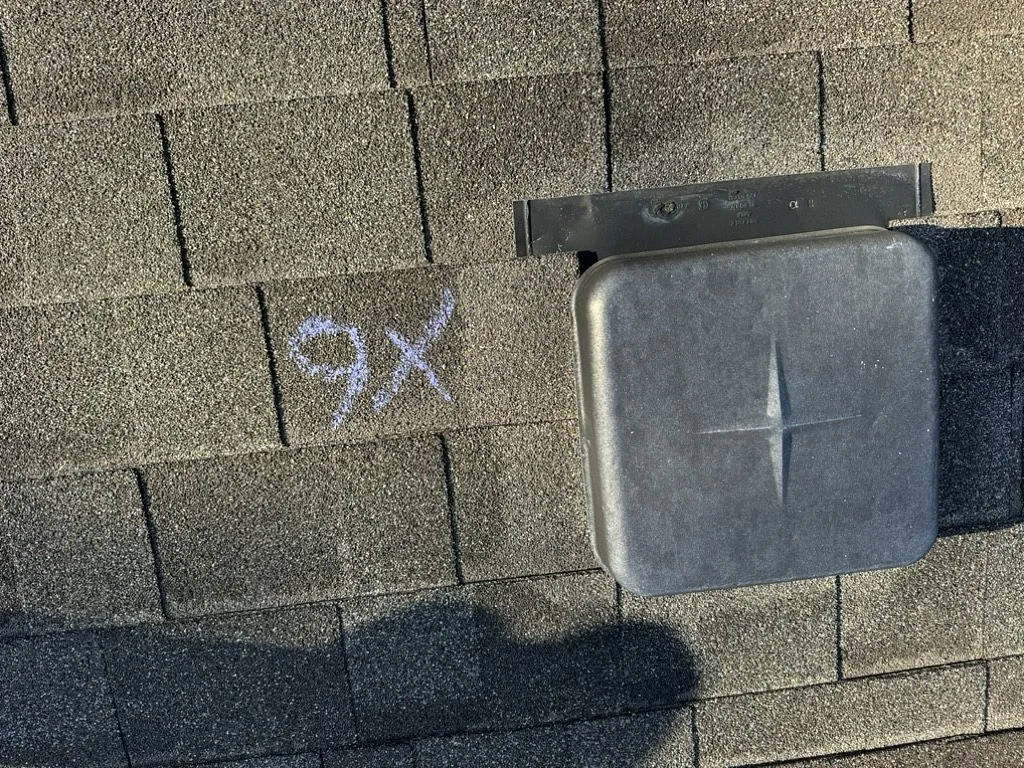
The carrier says the damage was there before the storm. This is the most common denial we encounter, and it's also the most frequently overturned. Adjusters sometimes can't distinguish between old weathering and fresh storm damage during a quick site visit. A Haag-certified inspector can identify specific damage patterns (hail splatter marks, directional wind creasing, fresh granule displacement) that prove the damage is storm-related and recent.
Maintenance Exclusion
Your policy covers sudden, accidental damage from weather events. It doesn't cover damage from deferred maintenance. If your roof was already in poor condition, the carrier may argue that the storm didn't cause the failure. The gray area is when a storm damages a roof that had some existing wear. Illinois law generally requires the carrier to cover the storm-caused portion even if the roof had pre-existing conditions.
Cosmetic Damage Exclusion
Some newer Illinois policies include an endorsement that excludes "cosmetic" hail damage. This means if hail dented your shingles but they're not leaking or cracking, the carrier considers the damage purely aesthetic and won't cover it. This exclusion is becoming more common, particularly on policies written after 2020. Check your declarations page for any cosmetic damage endorsement.
Policy Lapse or Coverage Gap
If your policy wasn't active on the date of the storm, the claim gets denied regardless of damage. This also applies if you had a coverage gap between carriers. There's no appeal path for this one. You need an active policy on the date of loss.
Late Filing
Most Illinois carriers require claims within 12 months of the storm date. Filing late gives the carrier grounds to deny based on the reporting requirement in your policy. If you're past the deadline, you may still have options through the date-of-discovery argument (more on that in our Illinois filing deadline guide).
Free Storm Damage Inspection
Haag-certified inspectors. Full photo documentation. Insurance claim support from filing to final payment.
Get My Free InspectionOr call (630) 414-9160
Step-by-Step: What to Do After a Denial
1. Get the Written Denial and Read It Carefully
If you only received a phone call, request the denial in writing. The letter should cite the specific policy provision or exclusion the carrier is relying on. This matters because your response needs to directly address their stated reason. A vague "we don't believe the damage is covered" isn't sufficient. Push for specifics.
2. Get an Independent Inspection
If you didn't already have one, get a Haag-certified inspection now. If you did have one, get a second opinion. The inspection report needs to specifically address the carrier's denial reason. If they said "pre-existing damage," your inspector needs to document why the damage is consistent with recent storm activity. If they said "maintenance," the report should demonstrate that the failure mode matches wind or hail impact, not deterioration.
3. Request a Re-Inspection
Send the independent inspection report to your adjuster and formally request a re-inspection. Put this in writing (email is fine, but save a copy). Many carriers will send a second adjuster or a senior adjuster for the re-inspection. Have your contractor present to walk the roof with the new adjuster, just like the first visit.
4. File a Supplement
If the original claim was partially approved but the scope is too low, the supplement process is your path forward. Your contractor prepares an Xactimate-format supplement documenting the items the original scope missed, supported by photos and measurements. This is standard practice in insurance restoration work.
5. Hire a Public Adjuster
If the re-inspection doesn't resolve things, a public adjuster represents your interests directly. Unlike your contractor (who documents damage and prepares scopes), a public adjuster is licensed to negotiate with the carrier on your behalf and interpret policy language. They typically charge 10% to 15% of the settlement amount.
A public adjuster makes the most sense when the claim involves significant money (full roof replacement versus a minor repair) and when the carrier's position seems inconsistent with the actual damage. For smaller claims, the PA's fee may eat into the benefit.
6. Invoke the Appraisal Clause
Most Illinois homeowner policies contain an appraisal clause. This is a binding process where you and the carrier each hire an appraiser, and those two appraisers choose an umpire. If any two of the three agree on the damage amount, it's final. Appraisal works best when the carrier agrees that damage exists but disagrees on the cost. It's less effective for outright coverage denials.
7. File a Complaint with the Illinois Department of Insurance
The IDOI accepts complaints from homeowners who believe their carrier has improperly denied or undervalued a claim. Filing is free and available online at the IDOI website. The department contacts your carrier and requires a formal written response. This regulatory pressure often prompts carriers to re-evaluate borderline denials.
Claim Denied? Get a Second Opinion.
Our Haag-certified inspectors document damage in the format insurance companies require. Free inspection, detailed photo report, and we'll review your denial letter.
Get My Free InspectionOr call (630) 414-9160
When to Hire an Attorney
An attorney becomes the right move when the carrier is acting in bad faith, meaning they're unreasonably denying a valid claim, misrepresenting policy terms, or failing to process your claim within the timeframes required by Illinois law. Bad faith claims can result in penalties beyond the original claim amount.
An attorney is also appropriate when the appraisal process has failed or when the dollar amounts justify litigation costs. Most insurance claim attorneys in Illinois work on contingency, so upfront cost isn't typically a barrier.
For straightforward denials where the issue is documentation or adjuster error, start with the re-inspection and public adjuster path. It's faster and less adversarial. The legal route is there if those steps don't resolve the dispute.
Documentation That Can Overturn a Denial
The claims that get overturned have one thing in common: strong documentation that contradicts the carrier's denial reason. This includes dated, high-resolution photos showing storm-specific damage patterns, measurements proving damage extent exceeds normal wear, weather data from NOAA confirming a covered event on the claimed storm date, and inspection reports from certified professionals (Haag certification carries significant weight with carriers).
If you're dealing with a denial from the March 2026 DuPage County hailstorm, NOAA records and local news coverage provide abundant evidence of the storm event itself. The question for your claim is proving that the damage on your specific roof matches the hail size and direction documented for that storm.
We've seen plenty of denials overturned in the western suburbs. The carriers that denied aggressively after that storm are now working through re-inspections as independent documentation comes in. If you've got a denial from that event, don't assume it's final.
For more on the overall claims process, see our guide on how to file a roof insurance claim after a storm. And if you're not sure whether your damage is covered at all, start with does homeowners insurance cover roof leaks for a breakdown of what's covered versus what's excluded.
Local Contractor, Not a Storm Chaser
C&N Construction runs from 24 N Hillside Ave, Hillside, IL 60162. Permanent office, not a PO box. Licensed and insured in Illinois since 2015. Over 25,400 projects completed across Chicagoland with in-house W-2 crews. When we give you a warranty, we're still here to honor it.
How It Works When You Say Yes
No-risk contract. You sign a contingency agreement. Work starts after insurance approves the claim. If it doesn't go through, you owe nothing.
Your budget, your call. You can spec down the project to match your insurance payout exactly. You won't pay for unapproved work unless you tell us to order it before the approval.
We call you first. If there's a gap between our recommendation and insurance, we call you. The only reasons you'd pay extra are damaged lumber or a luxury shingle upgrade.