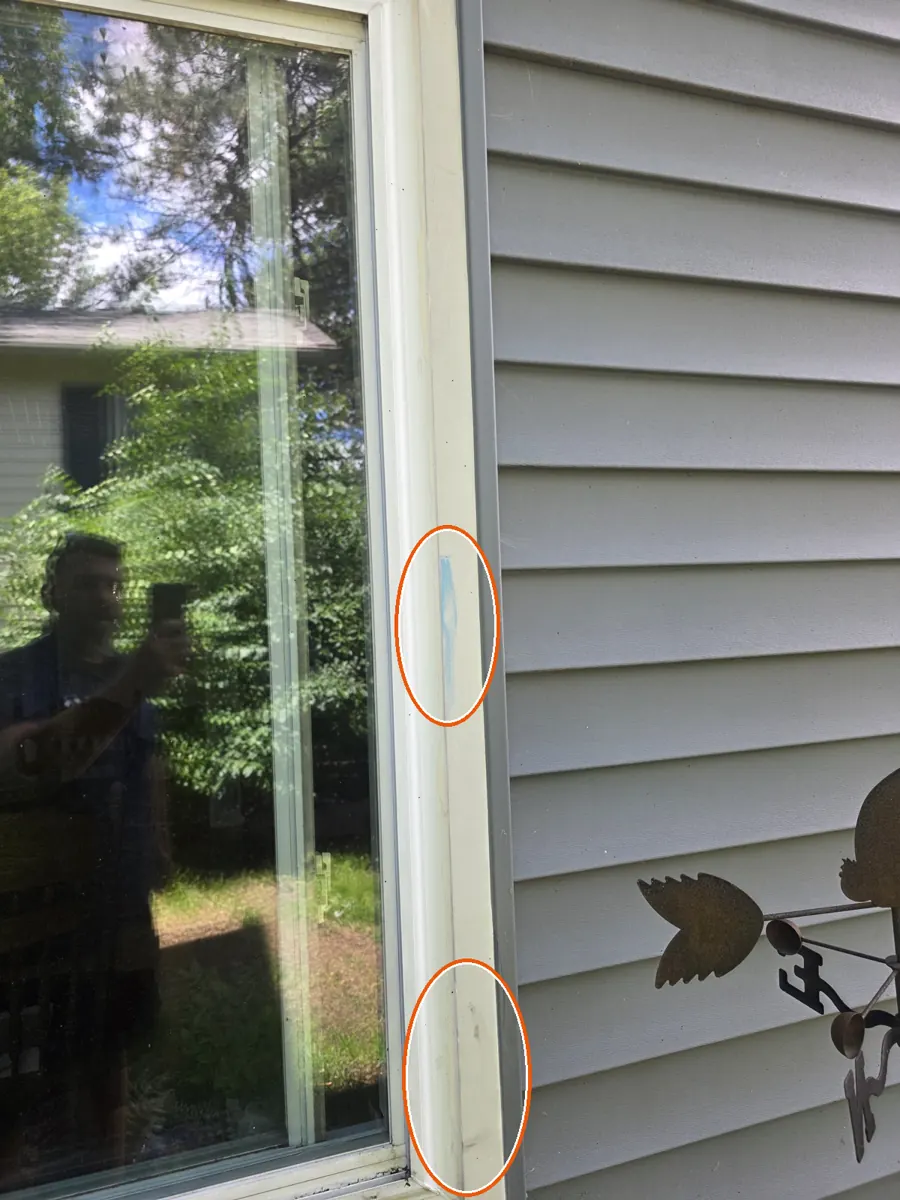






After a major hailstorm in the Chicago suburbs, many homeowners stare up at their roofs from the driveway and think everything looks fine. The shingles are still there. Nothing's hanging off. No visible holes.
That's the problem with hail damage. It doesn't look like what most people expect. There are no gaping wounds or missing chunks. The real damage happens at a scale you can't see from 30 feet below, and it compromises your roof's ability to keep water out for years to come.
Want a read on your own roof?
Snap a photo for a free check. Upload one or tap what you see, and the check lists the signs worth a closer look.
Snap a Photo for a Free CheckOr call (708) 847-5095
Hail Damage on Asphalt Shingles
Asphalt shingles are the most common roofing material in Chicagoland, and they show hail damage in specific ways that a trained eye can identify. The damage falls into a few distinct categories.
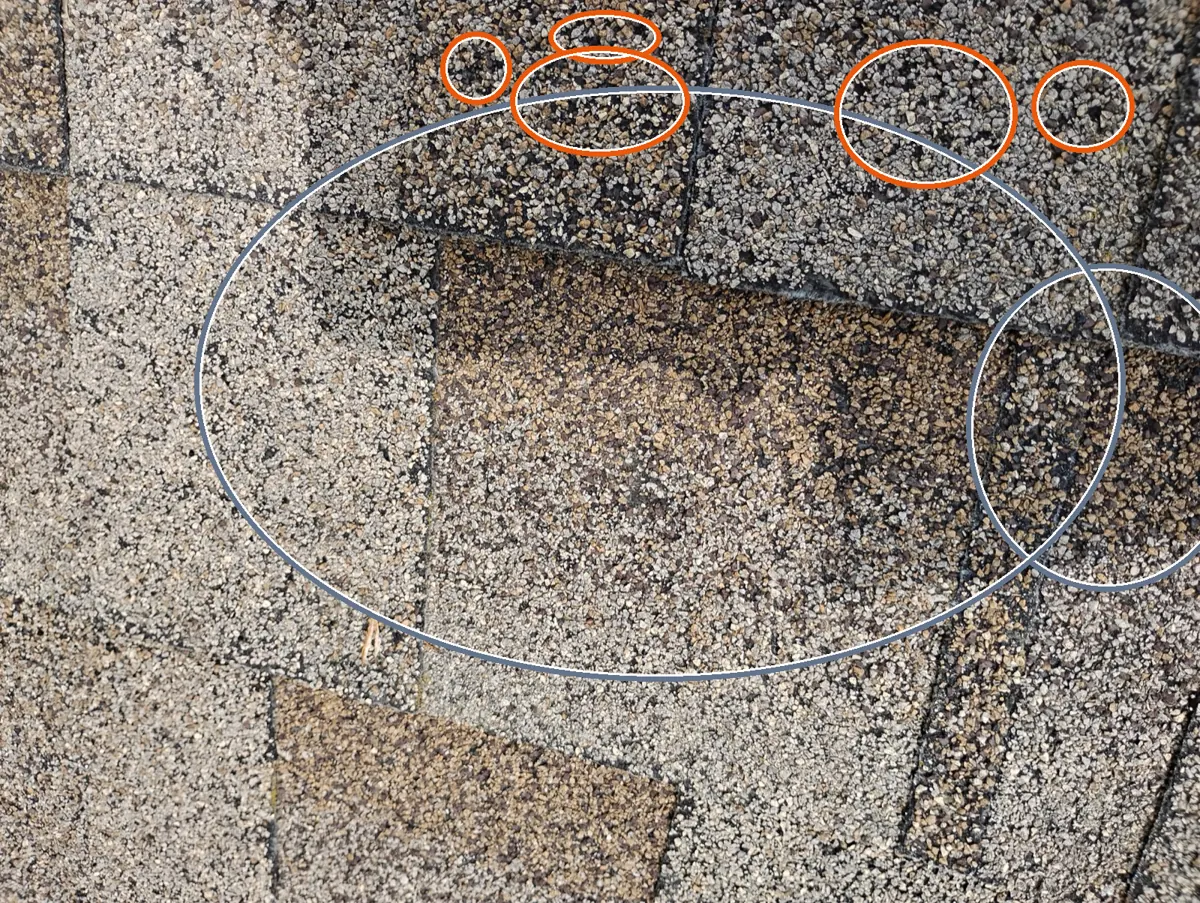
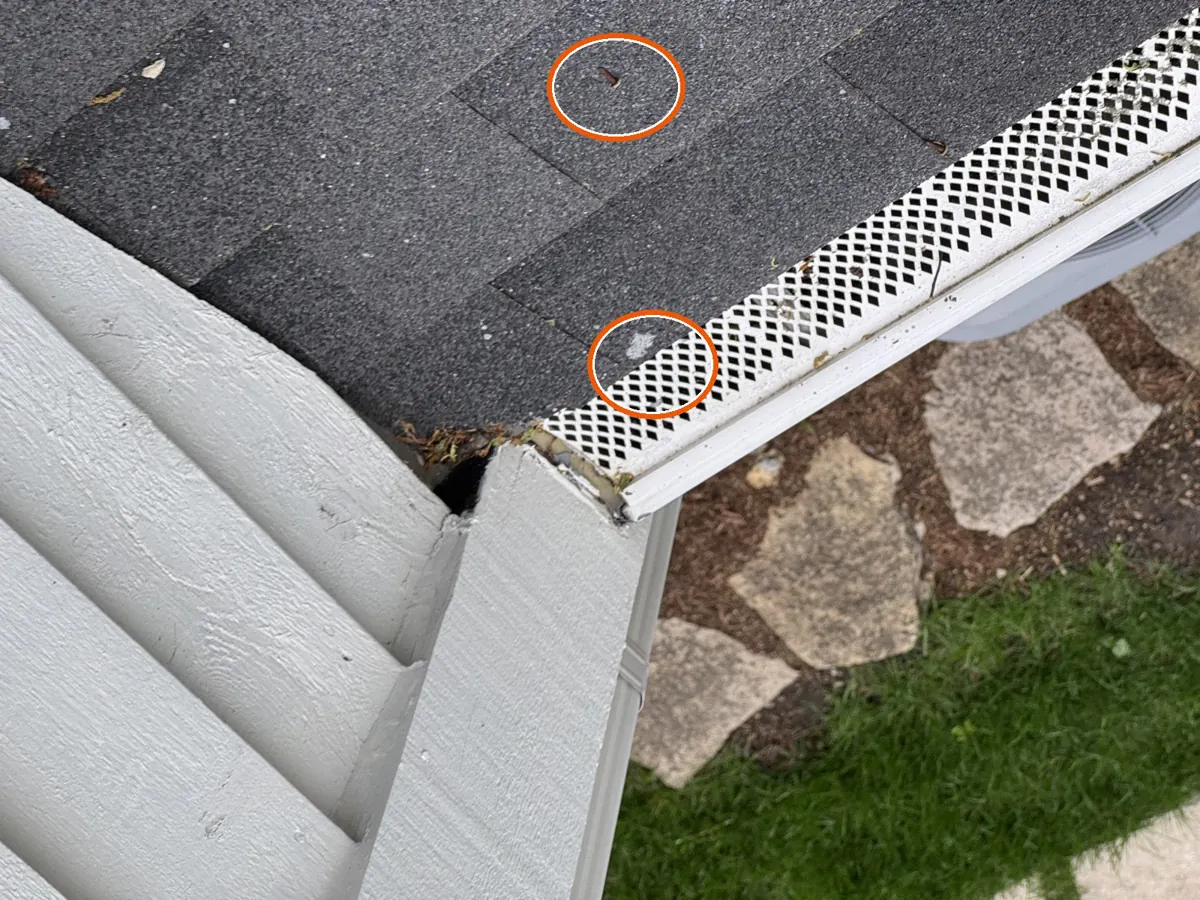
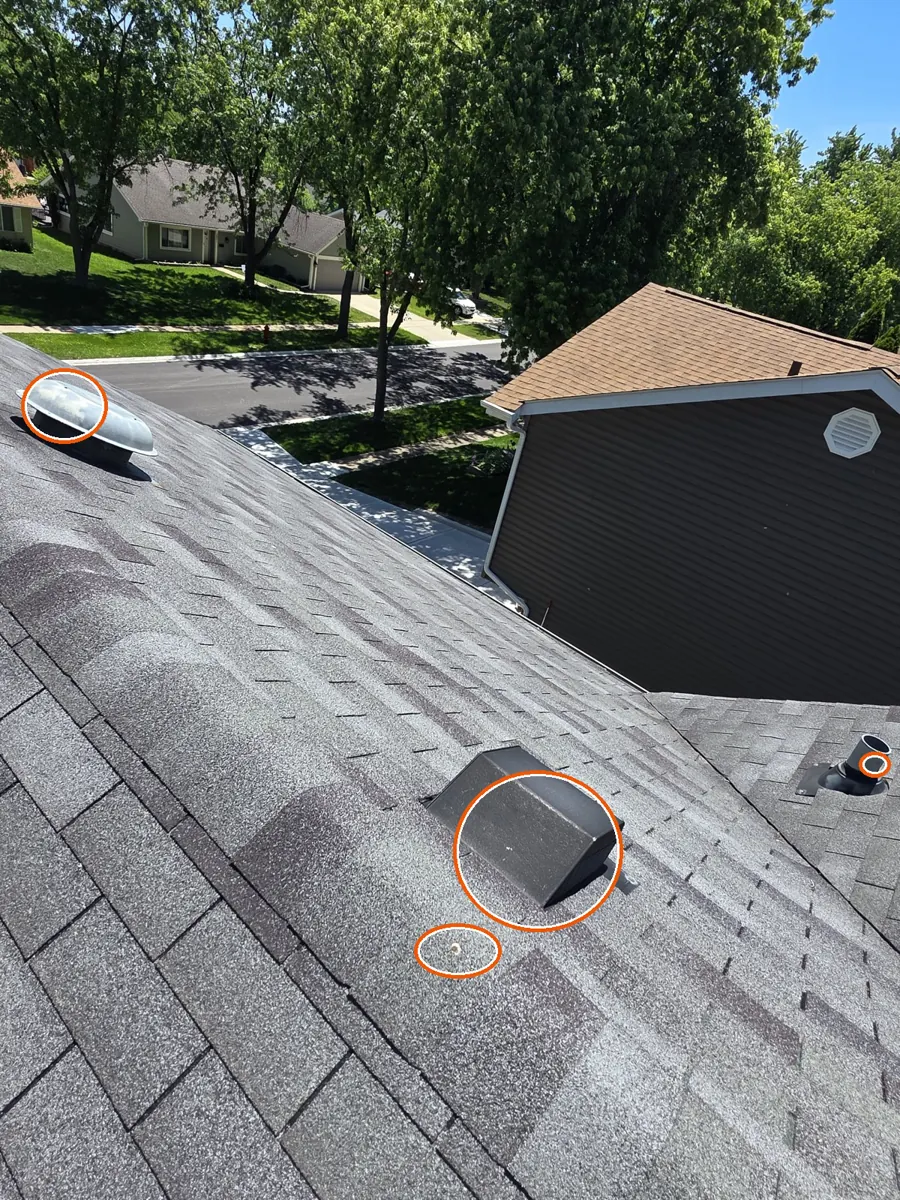
Granule displacement is the most common form. When a hailstone strikes an asphalt shingle, it knocks loose the ceramic granules that protect the underlying asphalt mat from UV radiation. The result is a dark spot where bare or thinned asphalt is exposed. These spots are roughly circular and correspond to the size of the hailstone. You'll often find loose granules collecting in your gutters and at the base of downspouts after a storm.
Bruising happens when the impact compresses the shingle without visibly breaking the surface. You can feel a bruise by pressing on the shingle with your thumb. The damaged area gives slightly, like pressing on a bruised apple. A sound shingle feels firm and consistent across its surface. This is one of the primary things Haag-certified inspectors check during a hail damage inspection.
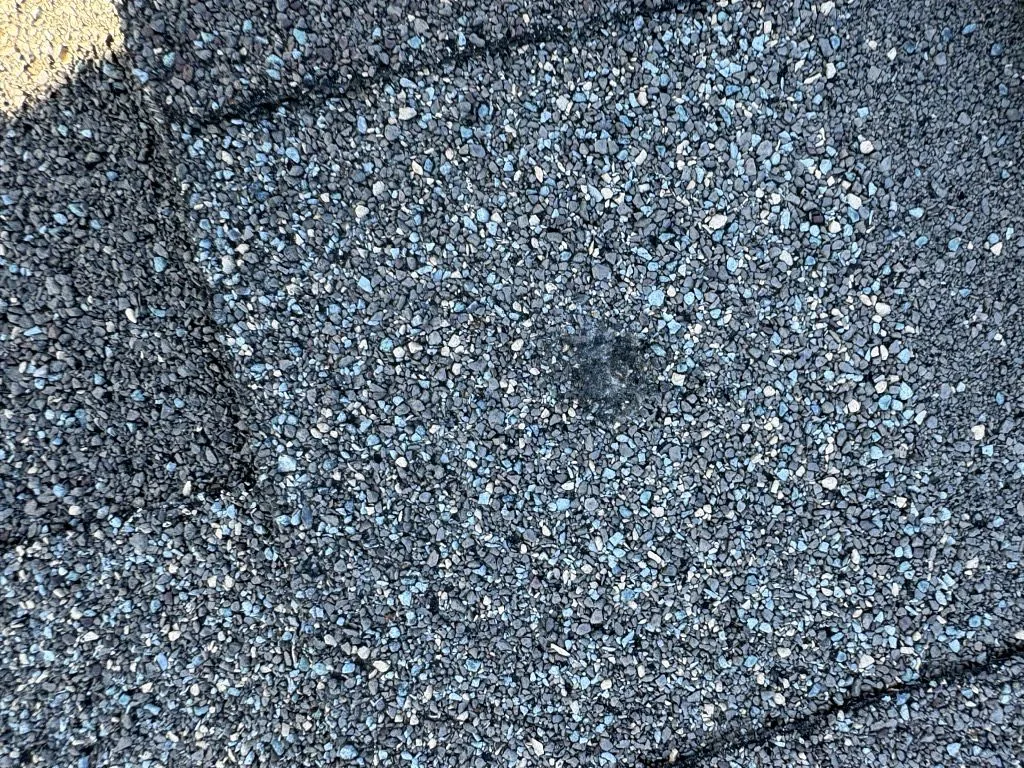
Mat fractures are more severe. The fiberglass mat that gives a shingle its structural integrity cracks under the force of impact. You can sometimes see these as hairline cracks in the shingle surface, but they're often hidden beneath the granule layer. Mat fractures are functional damage, meaning the shingle can no longer do its job. Water will find its way through.
Cracking and splitting occurs with larger hailstones or on aged shingles that have lost flexibility. The shingle literally breaks apart at the impact point. This is the most obvious form of damage and the easiest to spot, but by the time you're seeing cracks, you can assume the rest of the roof has extensive bruising and granule loss as well.
Damage to Metal Components
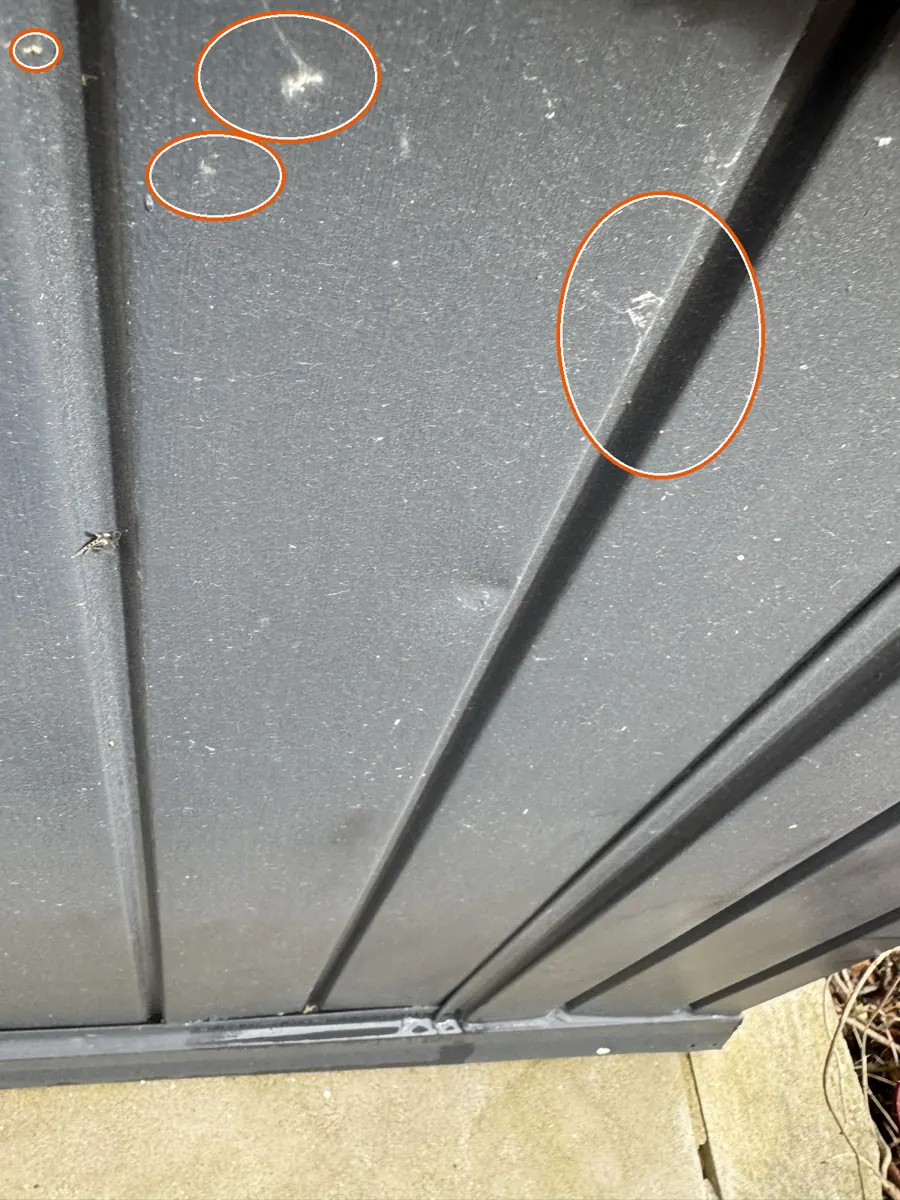
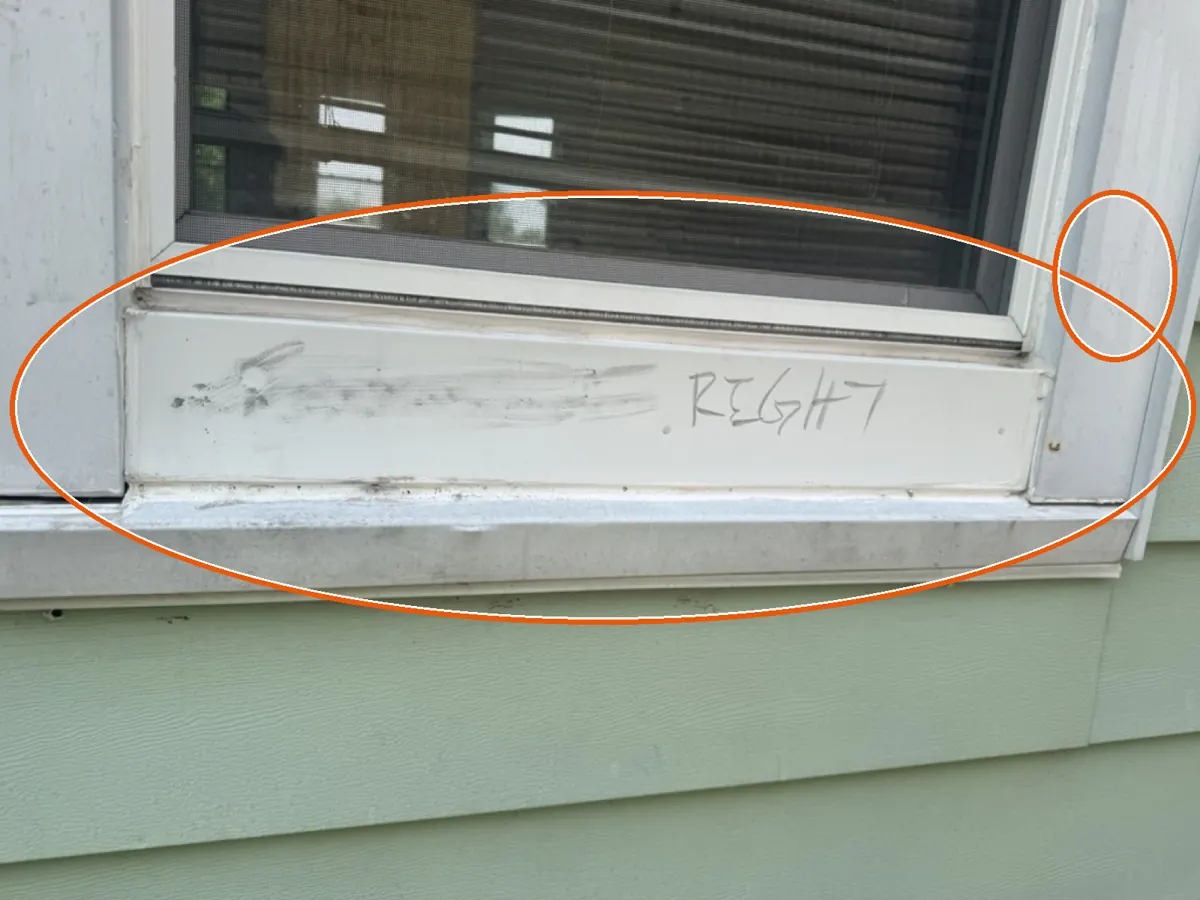
Soft metals on your roof tell the story of a hailstorm more clearly than shingles do. Aluminum ridge vents, pipe boots, furnace caps, and flashing are all softer than the ceramic granules on shingles, so they dent more readily.
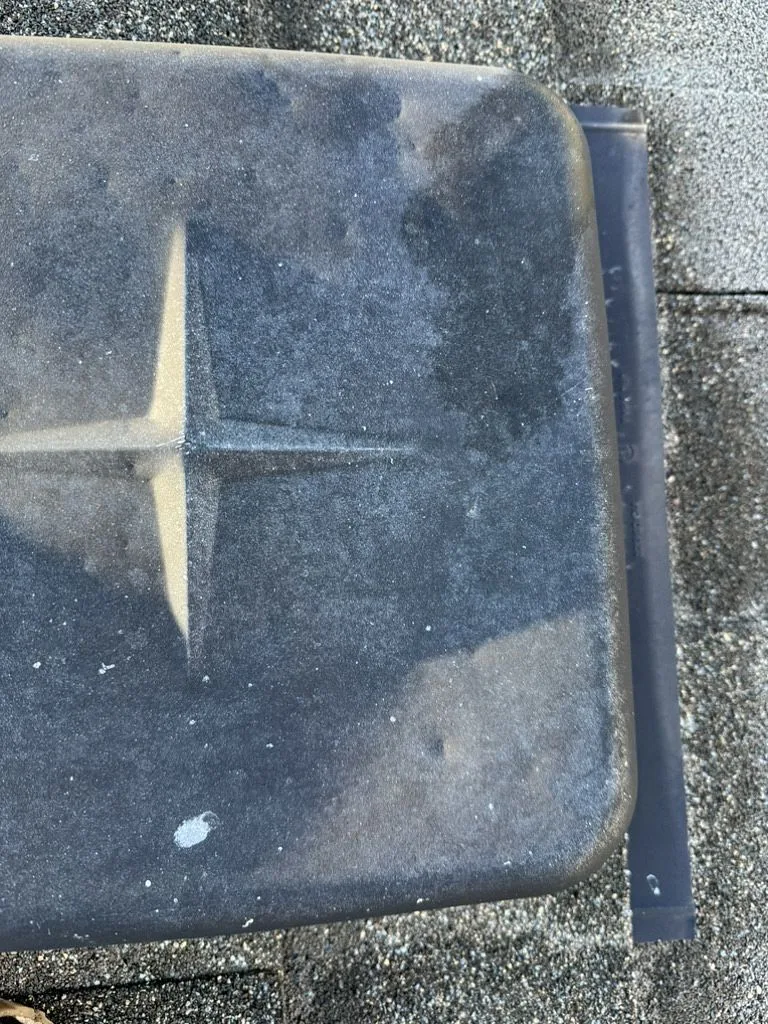
Dented metal vents are actually one of the most reliable indicators that the shingles around them sustained damage too. If a hailstone was large enough to dent aluminum, it was large enough to bruise or fracture an asphalt shingle. Inspectors use this correlation when assessing a roof.
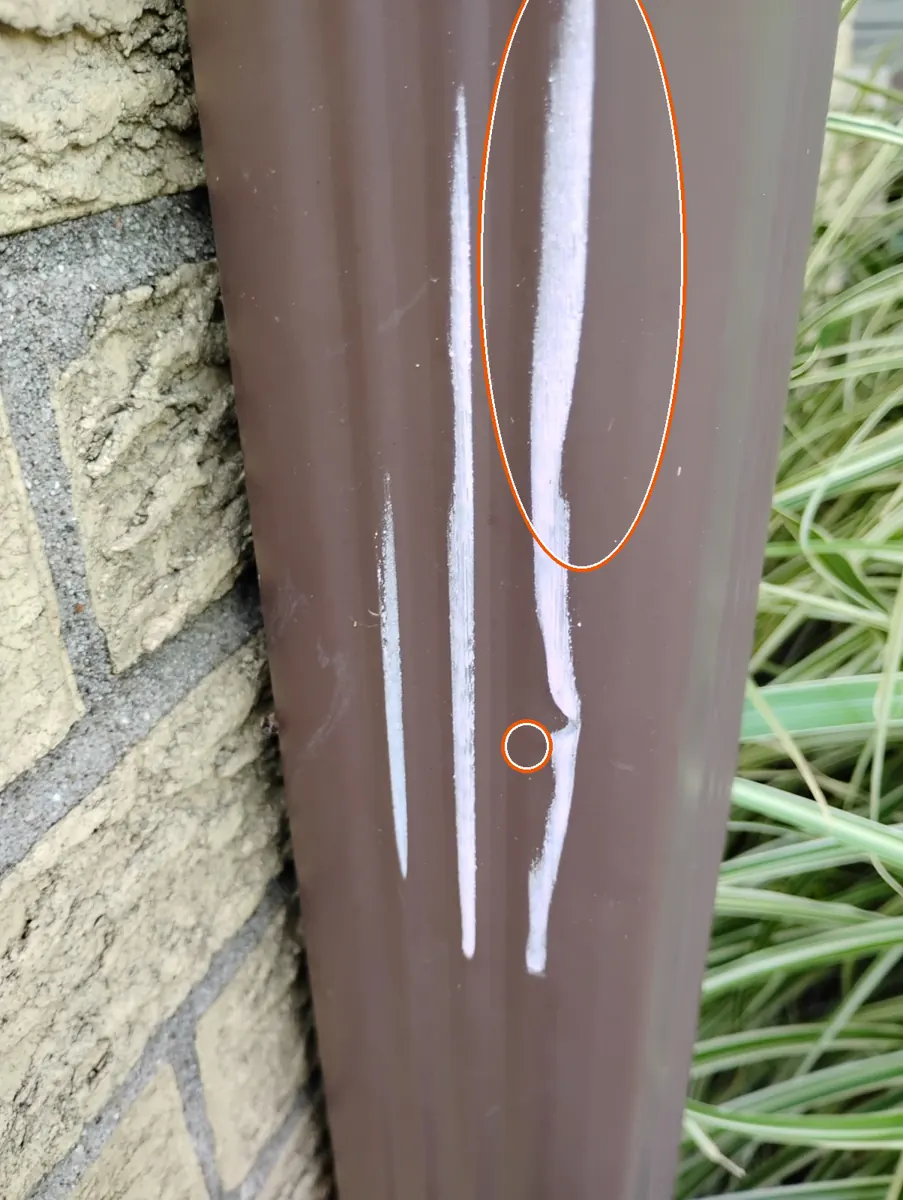
Gutters catch hail impacts along their exposed top edges and front faces. If your gutters show a pattern of small round dents after a storm, that's strong evidence your roof took the same beating.
Free Storm Damage Inspection
Haag-certified inspectors. Full photo documentation. Adjuster meeting and supplements for documented misses.
Get My Free InspectionOr call (708) 847-5095
Damage on Different Roofing Materials
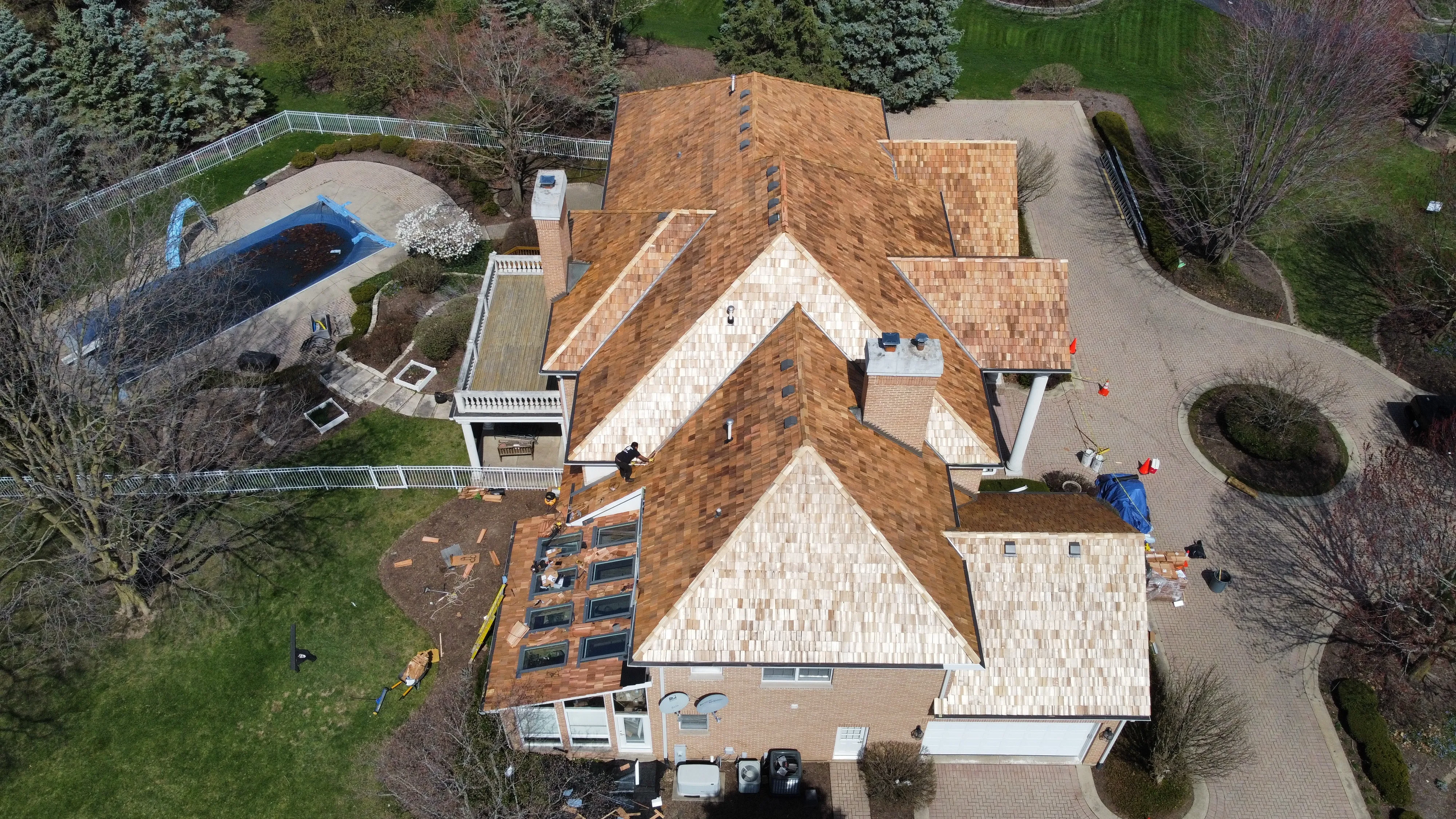
Not all roofs respond to hail the same way. Wood shakes split along the grain when hit. The splits often look like natural weathering to an untrained eye, but hail splits have sharp edges and a fresh, light-colored interior. Slate and tile roofs crack or chip at the impact point, sometimes cleanly breaking a tile in half.
Metal standing seam roofs dent but rarely lose their waterproofing integrity from hail alone. The cosmetic vs. functional distinction is especially relevant on metal roofs. Synthetic slate and composite materials vary widely in hail resistance, and their damage patterns depend on the specific product.
How Hail Size Affects Damage Severity
The relationship between hail size and roof damage isn't perfectly linear, but there are general thresholds every homeowner should know. Pea-sized hail (about 1/4 inch) rarely damages standard asphalt shingles. Marble-sized hail (1/2 inch) can cause cosmetic granule loss on older roofs.
Quarter-sized hail (1 inch) is where functional damage to standard 3-tab and architectural shingles becomes likely. Golf ball-sized hail (1.75 inches) causes significant damage to nearly any asphalt roof regardless of age. Baseball-sized hail and larger, like the 4.8 inch hail NOAA Storm Events lists at Darien on March 10, 2026, can shatter shingles down to the decking, puncture underlayment, and damage the plywood beneath.
Wind speed, angle of impact, and the age of your roofing material all factor in. A brand new impact-resistant shingle handles 1-inch hail very differently than a 15-year-old 3-tab that's already losing granules from age.
The Test Square Method
Professional inspectors don't just eyeball a roof and make a judgment call. They use a systematic method called test squares. The inspector marks off a 10-foot by 10-foot area on the roof surface, typically using chalk lines, and then counts every hail hit within that square.
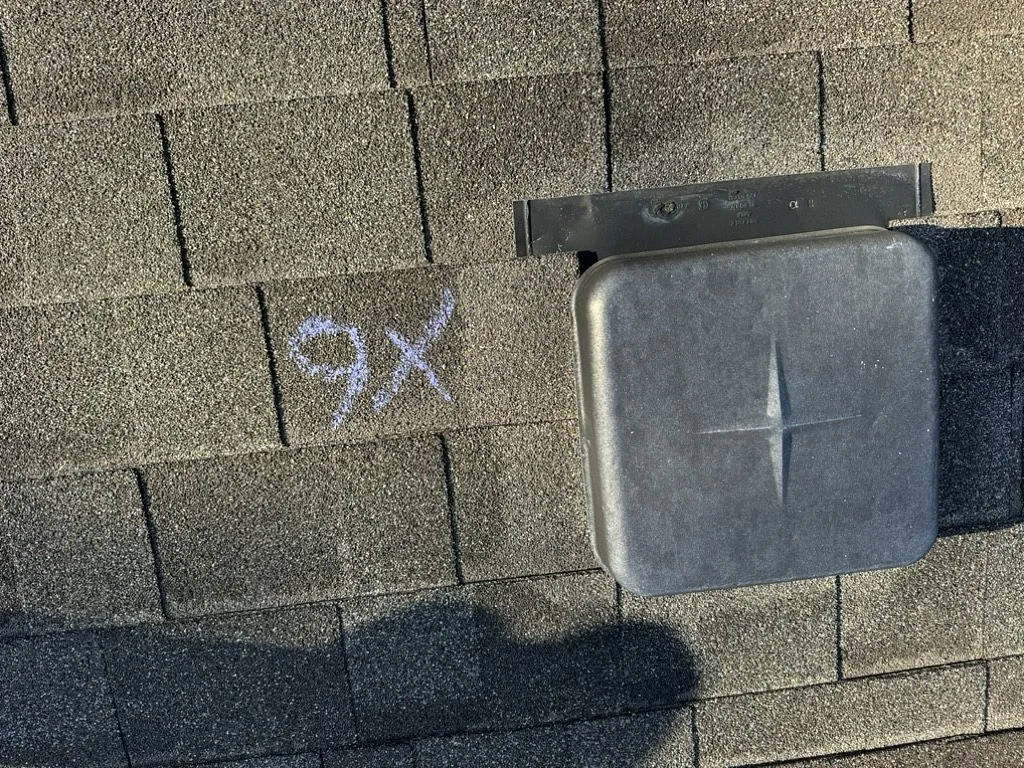
Multiple test squares are checked across different roof slopes and sections. Insurance adjusters use these damage counts to determine whether the roof qualifies for repair or full replacement. Most carriers look for a threshold of 8 to 10 hits per test square on the front slope, though this varies by company and policy.
This methodology matters because it removes subjectivity. The damage count is documented, photographed, and reproducible. When your storm restoration contractor and the insurance adjuster are both using the same methodology, claims move faster and disputes are less common.
Cosmetic vs. Functional Damage
This distinction has become one of the most contested issues in roofing insurance claims in Illinois. Cosmetic damage affects the appearance of the shingle but doesn't compromise its ability to shed water. Functional damage means the shingle can no longer perform its intended purpose.
Some insurance policies, particularly newer ones, include cosmetic damage exclusions that limit coverage to functional damage only. This makes the inspection and documentation process critical. A Haag-certified inspector knows the difference and documents it precisely, because the language in the inspection report needs to align with the policy language for the claim to be evaluated correctly.
The practical reality is that most significant hailstorms cause functional damage. Granule loss that exposes the asphalt mat is functional because it accelerates UV degradation and shortens the shingle's remaining life. Mat fractures are always functional. The "cosmetic only" argument typically applies to very minor events with small hail on relatively new roofs.
Not Sure If Your Roof Has Hail Damage?
Our Haag-certified inspectors will climb your roof, check test squares, and document every hit. The inspection is free, and the report is yours whether you file a claim or not.
Get My Free InspectionOr call (708) 847-5095
Why Hail Damage Is Hard to See from the Ground
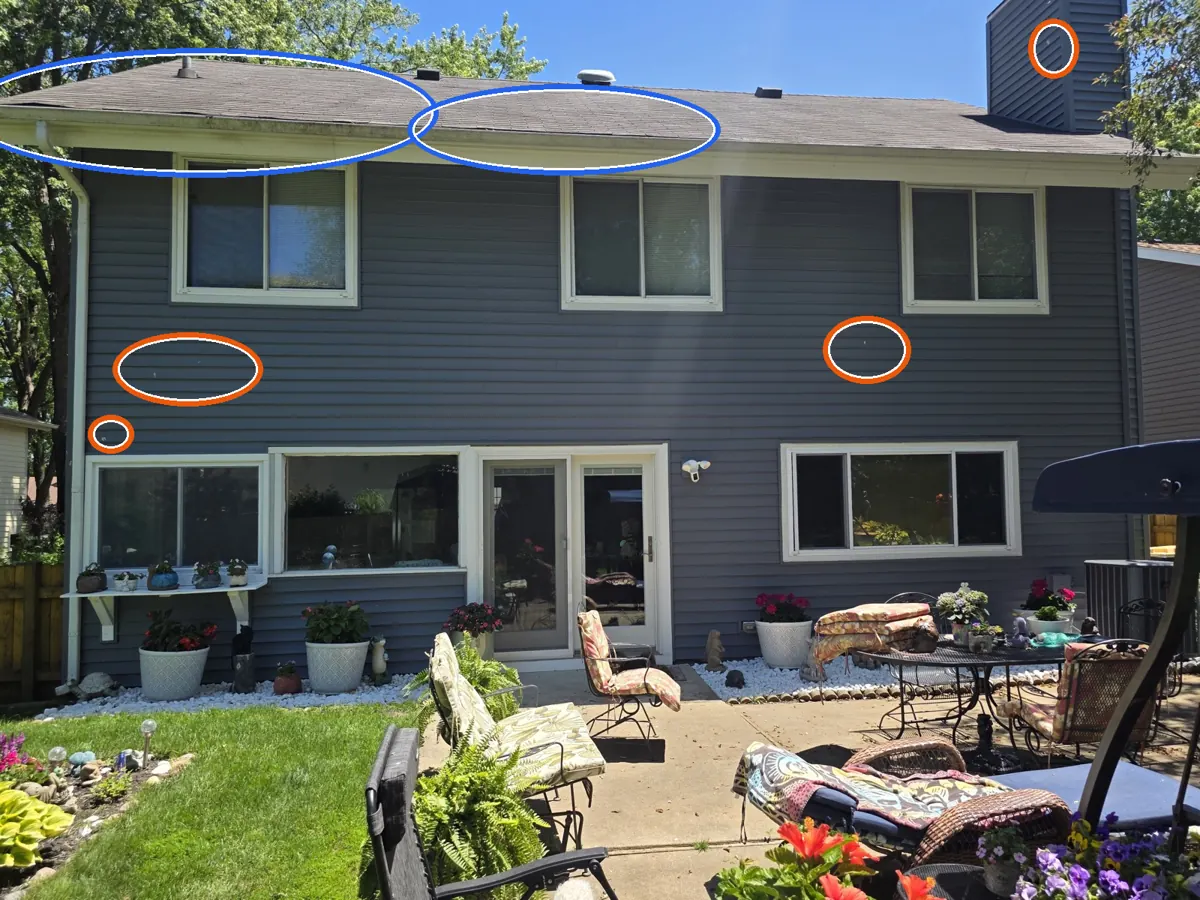
Hail damage is subtle by nature. The granule layer on asphalt shingles is designed to be uniform in color and texture, so when a small circular area loses granules, it blends into the overall roof surface from a distance. The color difference between intact granules and exposed asphalt is only obvious up close.
Bruising is completely invisible from the ground. You literally have to press on the shingle to detect it. Mat fractures hidden under granules are the same way. This is why reputable inspectors always get on the roof. A "drive-by" assessment from the driveway is worthless.
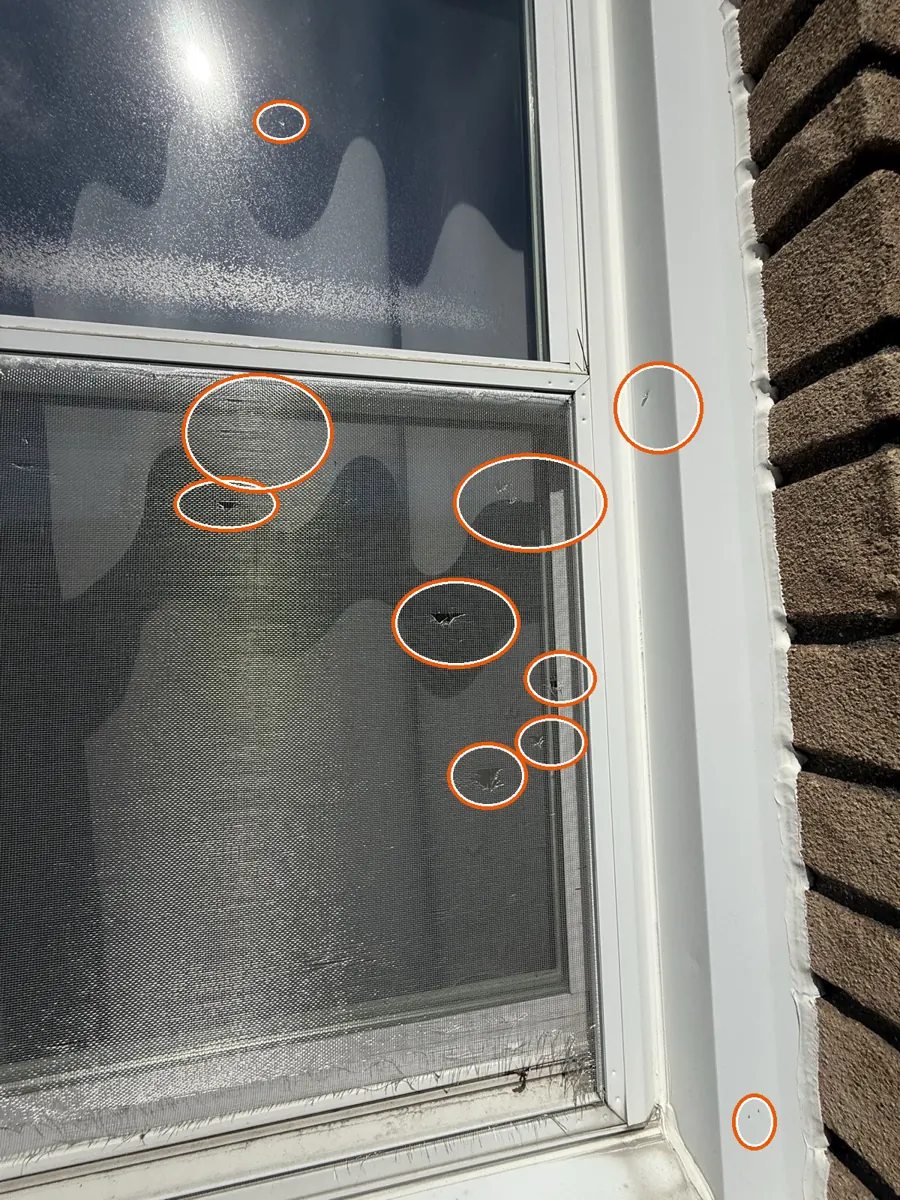
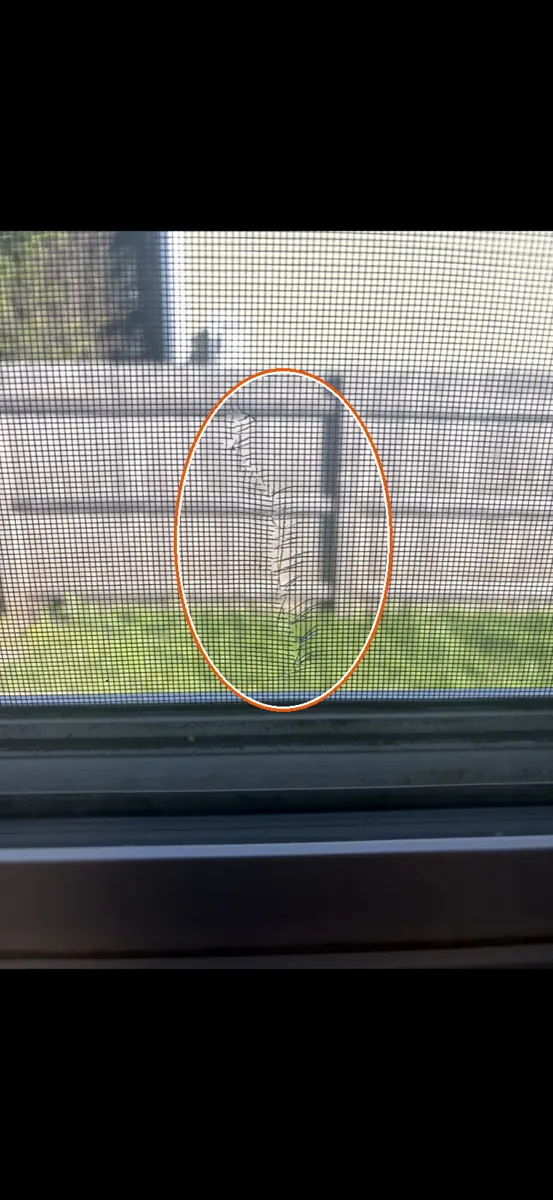
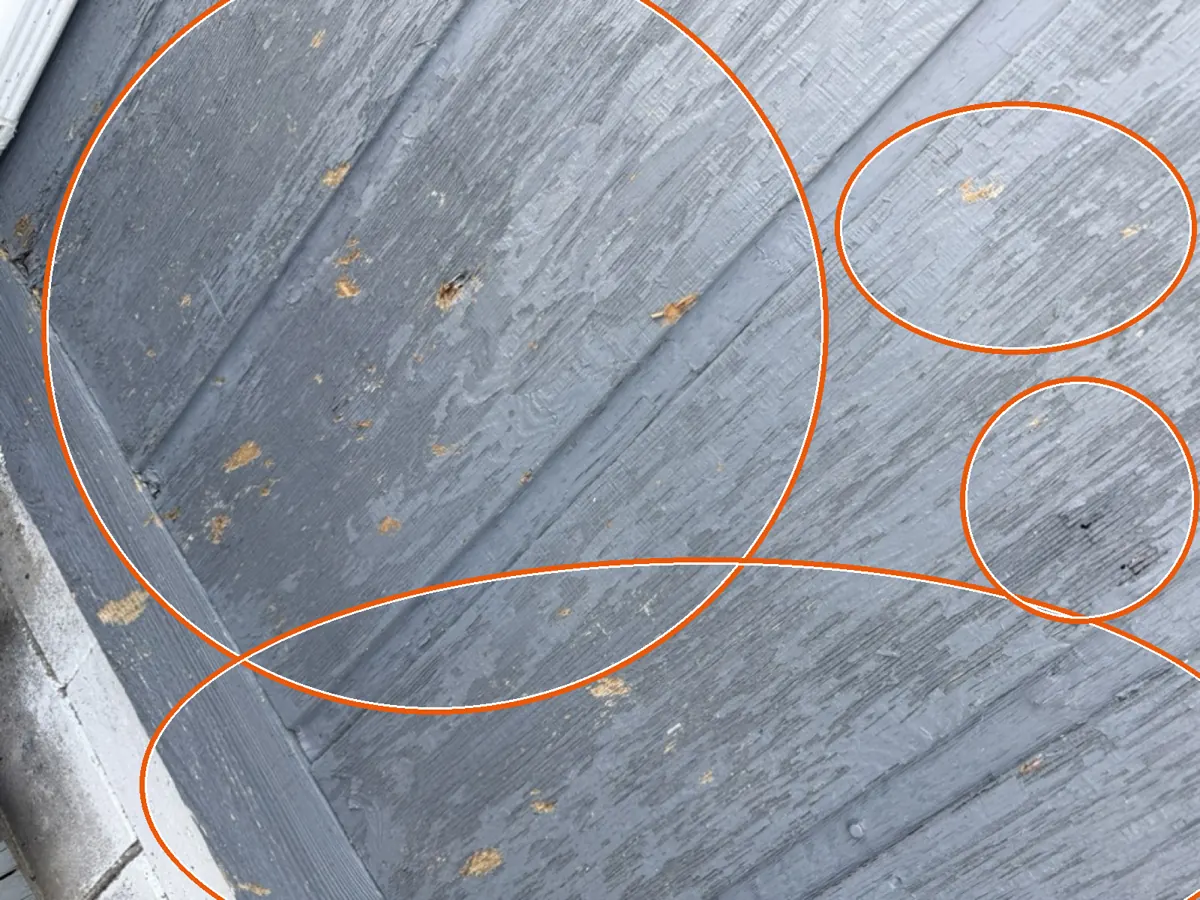
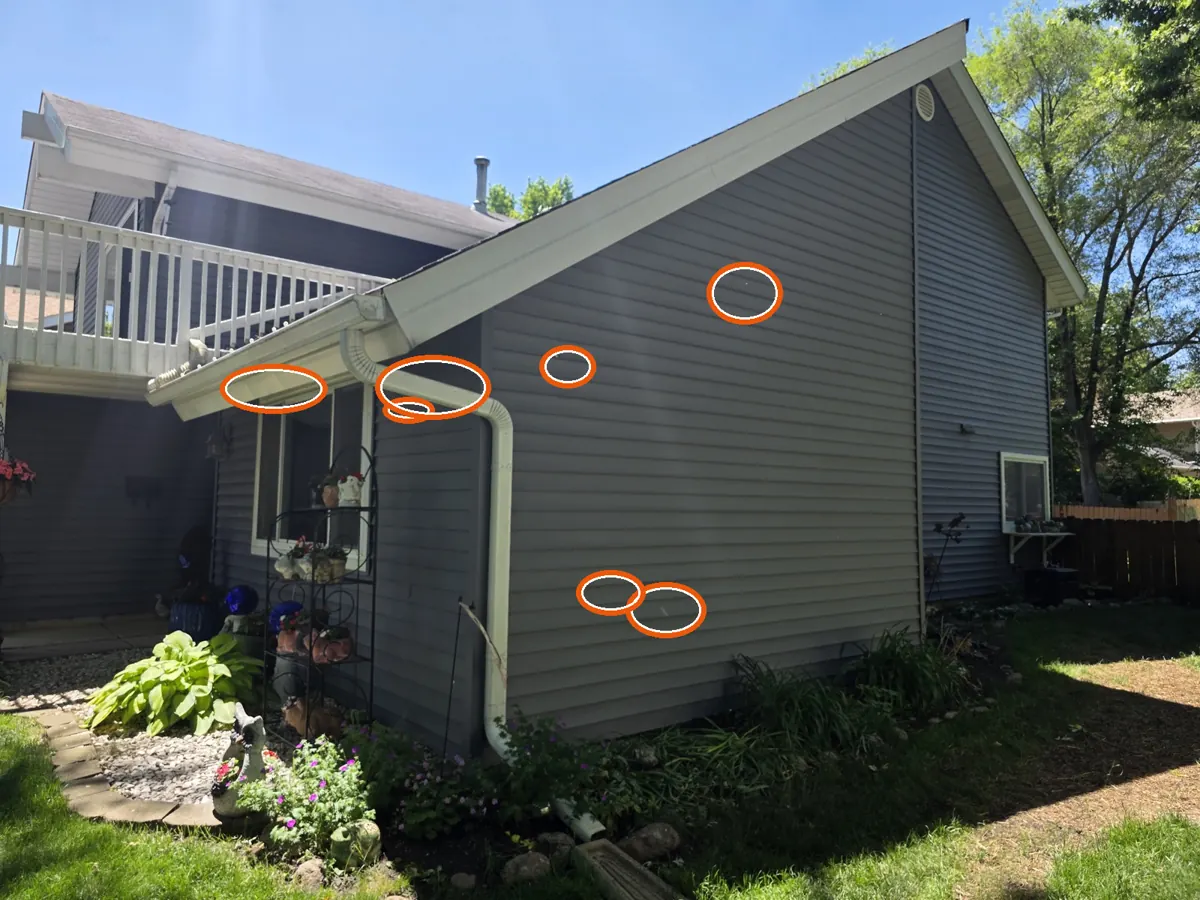
After a confirmed hailstorm in your area, don't rely on what you can or can't see from below. Our guide on checking for storm damage from the ground covers every indicator to look for. Dented gutters, dings on your AC condenser, pockmarks on painted wood surfaces, and cracked vinyl siding all confirm the storm was severe enough to damage your shingles. Then call for a proper roof inspection.
What to Do If You Suspect Hail Damage
Start with a professional inspection before you call your insurance company. If a Haag-certified inspector finds functional damage, you'll have a documented report to support your claim. If there's no damage, you've avoided putting an unnecessary claim on your record.
Weather exposure can degrade the evidence over time. UV breaks down exposed asphalt, rain washes away loose granules, and it becomes harder to tie specific damage to a specific storm event. If you're in Naperville, Downers Grove, or anywhere in the western suburbs, you can schedule a free inspection and have someone on your roof within a few days.
If damage is confirmed, your contractor should walk you through the insurance claim process and be present during the adjuster's visit. Having your inspector and the adjuster on the roof at the same time leads to better outcomes because they can discuss damage in real time rather than working from photos taken days apart.