


You had your roof inspected after a storm. The inspector said there's no damage, or the scope they wrote up doesn't seem to match what you can see from the ground. Maybe your insurance adjuster came out and denied your claim. Something feels off, but you're not sure if it's worth the hassle of getting someone else out there.
It's worth it. Roof inspections aren't all equal, and a thorough assessment and a superficial one can differ by a lot of repair scope. Here's how to know when a second opinion is the right move and what to expect from the process.
When a Second Opinion Makes Sense
Not every inspection needs a do-over. If a qualified inspector walked your entire roof, documented their findings with photos, and provided a written report explaining their methodology, you've probably got a solid assessment even if the news isn't what you wanted. But several situations call for another set of eyes.
The most common scenario we see in the Chicagoland suburbs is a homeowner whose insurance adjuster found little or no damage after a confirmed hail event. A second inspection can document damage an adjuster missed or underscoped. For scale, NOAA Storm Events lists 4.8 inch hail at Darien, DuPage County, on March 10, 2026, among 17 reports (NOAA event record).
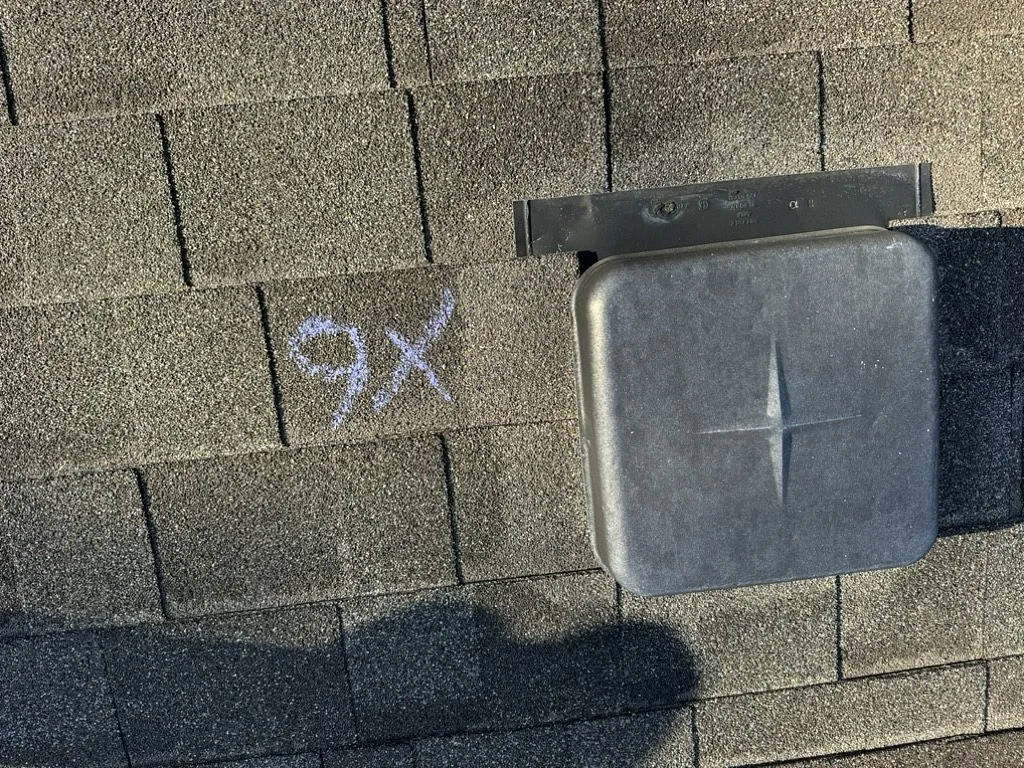
You should also consider a second opinion if your first inspector spent less than 30 minutes on the roof, didn't use chalk test squares, didn't check soft metals (gutters, downspouts, HVAC caps, vent covers) for hail indicators, or didn't provide detailed photos of each roof section. A fast visual scan misses a lot, especially with hail damage that doesn't always show obvious signs from a standing position.
Your First Inspector May Have Missed Real Damage
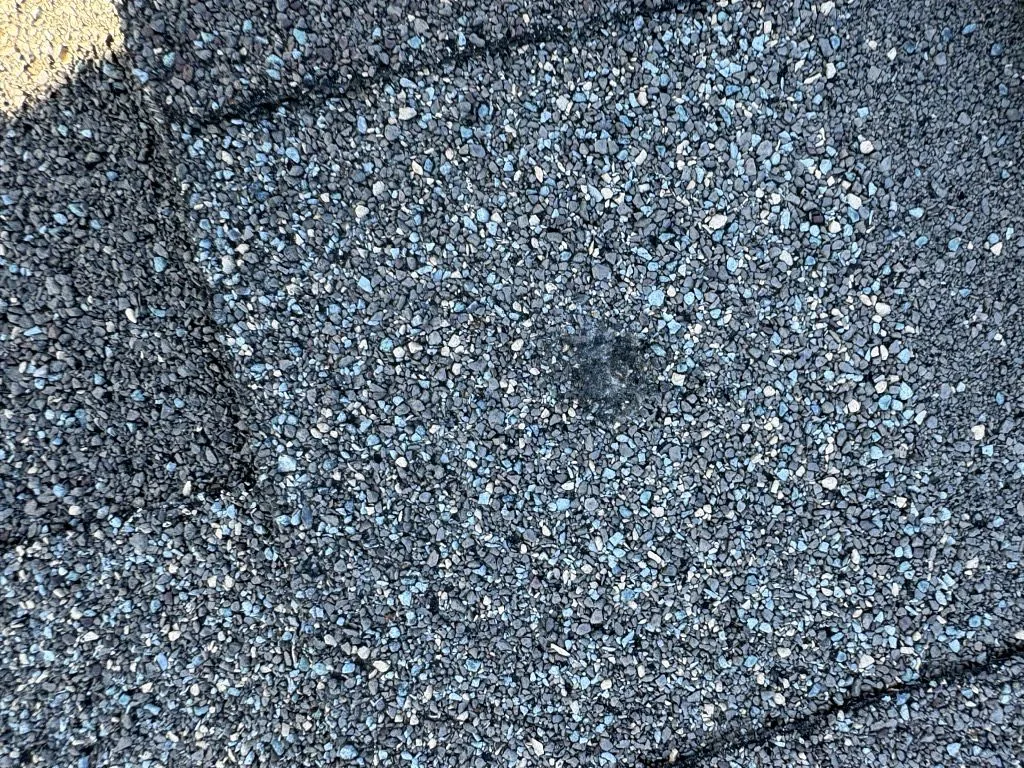
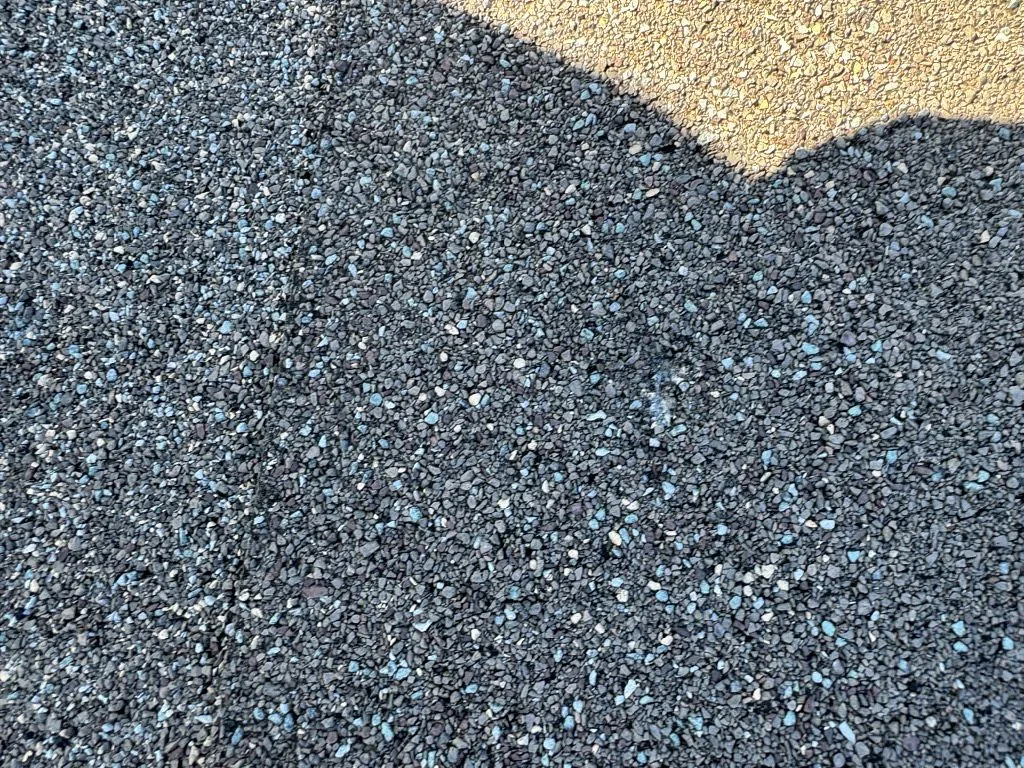
Hail damage to architectural shingles doesn't always look dramatic. On a CertainTeed Landmark or GAF Timberline HDZ, a hail strike might show as a small depression with granule displacement and a soft spot in the mat underneath. You have to press on it to feel the fracture. An inspector who only does a visual walk and doesn't get hands-on will miss this consistently.
Wind damage can be equally subtle. Shingles that were lifted by a gust may have resealed themselves after the storm, but the adhesive bond is compromised. They'll lift again in the next high-wind event. An experienced inspector checks sealant lines and looks for cracking at the bond points, not just whether the shingle is currently flat.
Free Storm Damage Inspection
Haag-certified inspectors. Full photo documentation. Adjuster meeting and supplements for documented misses.
Get My Free InspectionOr call (708) 847-5095
The Difference Between Inspectors Matters
A general home inspector checking a roof during a real estate transaction is doing a fundamentally different job than a Haag-certified storm damage inspector. Home inspectors look for functional issues: missing shingles, visible deterioration, flashing gaps, ventilation problems. They're evaluating the current condition of the roof for a buyer.
Storm damage inspection is forensic work. The inspector needs to determine what was caused by a specific weather event versus what was pre-existing wear. This distinction is everything for an insurance claim. Carriers only cover sudden storm damage, not gradual deterioration, so the inspection report needs to clearly separate the two.
Haag Engineering certification trains inspectors in exactly this forensic methodology. Haag-certified reports carry more weight with insurance adjusters because the methods are standardized and the findings are presented in a format adjusters are trained to evaluate. If your first inspection was done by someone without storm-specific training, a second opinion from a Haag-certified inspector can change the outcome of your claim.
How to Evaluate Two Different Inspection Reports
If you end up with two reports that disagree, look at the methodology first. Did both inspectors use hail test squares (a 10x10 chalk grid to count impacts per square)? Did they check all roof slopes or only the ones visible from the ladder? Did they document soft metal damage on gutters, vents, and AC units? Soft metals dent more easily than shingles and serve as reliable hail indicators.
Compare the photo documentation. Our guide on what happens during an inspection shows what a thorough report looks like. A thorough report includes wide-angle shots of each roof section plus close-up photos of every identified damage point. If one report has 15 photos and the other has 80, the difference in thoroughness is obvious. The report with more documentation isn't automatically correct, but it gives you and your insurance company more to work with.
Pay attention to what each inspector measured. A good storm damage report quantifies the affected area in squares (a roofing square is 100 square feet) and specifies the type of damage found in each section. Vague language like "some hail damage observed" is far less useful than "17 hail impacts per test square on the south-facing slope, with mat fractures confirmed on 6 of 17."
Need a Second Set of Eyes?
Our Haag-certified inspectors use forensic methods and full photo documentation. We'll give you an honest assessment, whether that means filing a claim or telling you your roof is fine.
Get My Free InspectionOr call (708) 847-5095
Why Insurance Adjusters Sometimes Undercount Damage
Insurance adjusters aren't trying to cheat you. Most of them are handling enormous claim volumes after a major storm event, and they're under time pressure. A short visit leaves little time to get on and off the roof, let alone run test squares on every slope.
Adjusters also work from their carrier's scope guidelines, which may specify minimum damage thresholds before a full replacement is included. If the adjuster finds 7 hits per square but the carrier's threshold is 8, your claim gets scoped for repair instead of replacement. A second inspection that finds 10 or 12 hits per square on the same roof section gives you documentation to challenge that scope.
This is especially relevant with carriers like State Farm that use third-party inspection firms. The inspector who visits your property may not be a roofer at all. They're trained to follow a checklist, which is efficient but can miss damage that requires trade knowledge to identify.
A Second Opinion Doesn't Start Your Claim Over
Some homeowners hesitate because they think getting another inspection will somehow reset the clock or complicate their claim. It won't. Your claim is filed with your carrier based on the date of loss (the storm event). Getting additional documentation from another inspector is supplemental. You submit it to your adjuster, and they incorporate it into the existing claim file.
If your claim was already denied, a second inspection with stronger documentation gives you grounds to appeal or request a re-inspection. Our guide on what to do after a claim denial walks through every option. Illinois law gives homeowners the right to dispute claim decisions, and a Haag-certified report with detailed forensic findings is one of the most effective tools for doing that.
If the numbers still don't add up after a re-inspection, you can hire a public adjuster who is licensed in Illinois to negotiate the settlement on your behalf. Public adjusters work on contingency and handle the back-and-forth with your carrier so you don't have to.
Red Flags From Your First Inspection
A few warning signs suggest your first inspection wasn't thorough enough. If the inspector never got on the roof and assessed everything from the ground or a drone, they missed tactile damage. Drones are useful for documentation but can't feel mat fractures or check sealant adhesion.
If the inspection took less than 20 minutes on a standard residential roof (15 to 25 squares), it was rushed. A proper storm damage inspection on an average suburban home takes 45 minutes to an hour, including ground-level assessment of soft metals and siding.
If you didn't receive a written report with photos, measurements, and a clear conclusion, that's not a professional inspection. It's a sales pitch or a quick pass. Either way, you need better documentation before making decisions about your roof or your insurance claim.
What to Do Next
If any of this sounds familiar, schedule a second inspection with a Haag-certified storm restoration contractor. Bring the first inspector's report if you have one. A good second inspector will address each finding point by point and explain where they agree, where they disagree, and why.
The inspection is free, and you're under no obligation. If your roof turns out to be in good shape, a credible contractor will tell you that. If there's damage the first inspector missed, you'll have the documentation you need to move forward with your claim the right way.
Local Contractor, Not a Storm Chaser
C&N Construction runs from 24 N Hillside Ave, Hillside, IL 60162. Permanent office, not a PO box. Licensed and insured in Illinois since 2015. Over 25,400 projects completed across Chicagoland with in-house W-2 crews. When we give you a warranty, we're still here to honor it.