

If you search "roof inspection cost" you'll find numbers all over the map. Some sites say $75. Others say $500. Some contractors advertise free inspections. The reason for the spread is that "roof inspection" means different things depending on the context, and the pricing follows the purpose.
Here's the actual breakdown of what different inspections cost in the Chicagoland market in 2026, what you get at each price point, and when a free inspection is the smartest option.
Typical Roof Inspection Costs
Basic Visual Inspection: $100 to $200
This is the budget option. A roofer or home inspector climbs the roof (or uses binoculars from the ground), does a general assessment of the roof's condition, and gives you a verbal summary or short written report. You'll learn whether the roof looks like it's in decent shape or needs attention, but you won't get detailed damage documentation, measurements, or the kind of report that's useful for an insurance claim.
This level of inspection is fine for annual maintenance checks or if you just want a general health assessment. It's not adequate for storm damage claims or real estate transactions.
Standard Professional Inspection: $200 to $350
This is what most independent roof inspectors and home inspection companies charge. The inspector walks the entire roof, checks all penetrations (vents, pipes, skylights, chimney flashings), examines the attic from inside for signs of leaks or ventilation issues, and produces a written report with photos. The report typically covers current condition, estimated remaining life, and recommended repairs.
This is the right choice for pre-purchase home inspections, annual maintenance reviews, or when you're evaluating whether it's time to budget for a replacement. If you want to know the full process, see our walkthrough of what happens during a storm damage inspection. The inspector has no stake in whether you need repairs, which makes the assessment more objective.
Comprehensive Inspection with Drone/IR: $350 to $500
At the higher end, some inspection firms use drone photography for aerial documentation and infrared (thermal) imaging to detect moisture trapped beneath the roof surface. The drone footage provides a complete overhead view that's useful for large or complex roofs. The IR scan can reveal leaks that aren't visible to the naked eye, particularly in flat or low-slope commercial roofs.
Most residential homeowners don't need this level of inspection unless they have a very large home, a complex roof with multiple levels and valleys, or a suspected hidden leak that standard inspection methods haven't located.
Free Storm Damage Inspections: When and Why
Storm damage restoration contractors, including our team at Chicago Storm Pros, offer free roof inspections after storm events. This isn't a gimmick, and there's no catch. The economics are straightforward: the contractor covers the cost of the inspection to earn the restoration work if damage exists.
Here's how it works. After a hailstorm or windstorm, the contractor sends a Haag-certified inspector to your roof. If the inspector finds storm damage, you file an insurance claim using the inspection report as documentation. The insurance company pays for the repairs (minus your deductible), and you hire the contractor who inspected the roof to perform the work. The contractor makes their money on the restoration project, not the inspection.
If the inspector finds no storm damage, you get a clean bill of health and the contractor moves on. No charge, no obligation, no pressure. You keep the report either way.
A free storm damage inspection makes sense when there's been a confirmed hail or wind event in your area, when you've noticed potential damage signs (granules in gutters, missing shingles, dented vents), or when a neighbor has already filed a claim for the same storm. It doesn't make sense as a substitute for a paid independent inspection when you're buying a home or when you need an unbiased condition assessment with no connection to potential repair work.
Free Storm Damage Inspection
Haag-certified inspectors. Full photo documentation. Insurance claim support from filing to final payment.
Get My Free InspectionOr call (630) 414-9160
What a Haag-Certified Inspection Includes
Haag Engineering is the recognized authority on roof damage assessment in the insurance industry. A Haag-certified inspector has completed specialized training in identifying, documenting, and differentiating types of roof damage. This certification matters because insurance adjusters and carriers recognize Haag methodology as the standard.
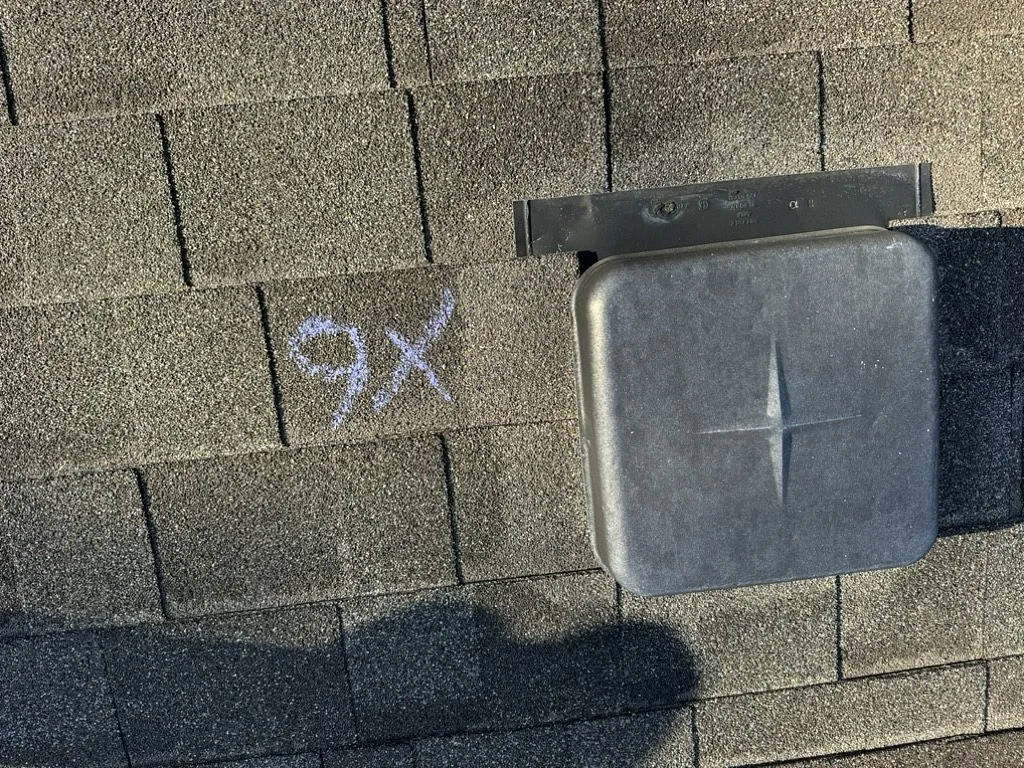
A Haag-certified storm damage inspection covers every slope of the roof (not just the visible front), all penetrations (pipe boots, exhaust vents, HVAC curbs, skylights), all flashing (step flashing at walls, counter flashing at chimneys, valley metal), ridge caps and hip caps, drip edge and eave metal, and gutter and downspout condition.
The inspector documents each finding with close-up photos that show damage detail and wide-angle photos that show location context. Measurements record the extent of damage across each affected area. The report distinguishes between hail damage, wind damage, mechanical damage, and normal wear, which is critical because insurance only covers specific peril-related damage.
The entire process takes 45 minutes to an hour on a typical residential roof. Larger homes or complex rooflines take longer. The written report is usually delivered within 24 to 48 hours.
Get a Free Haag-Certified Inspection
We inspect every slope, document every finding with photos, and deliver a report you can use for your insurance claim or just keep for your records. No cost, no obligation.
Get My Free InspectionOr call (630) 414-9160
Red Flags in Free Inspection Offers
Not every free inspection offer is equal. Storm chasers (out-of-state crews that follow hailstorms from city to city) also offer free inspections, but their goal is to get you to sign a contract on the spot and collect a quick insurance check. Here's how to tell the difference between a legitimate local contractor and a storm chaser.
A storm chaser has no permanent local office (check the address on their card). They pressure you to sign an agreement before you've even seen the inspection report. They won't leave a copy of the report if you don't hire them. Their business cards and trucks have out-of-state phone numbers. They offer to "cover your deductible" (which is insurance fraud in Illinois). And they have no verifiable history of work in your community.
A legitimate local contractor has a permanent local address you can visit. They provide the inspection report regardless of whether you hire them. They don't pressure you to sign anything on the first visit. They carry proper Illinois licensing and insurance. And they have a track record of completed projects in the Chicagoland area that you can verify through Google reviews, BBB records, or manufacturer certifications like GAF Master Elite.
How to Evaluate an Inspection Report
Whether you pay for an inspection or get a free one, the report should give you enough information to make a decision. A good inspection report includes dated photos of every finding (not just the bad spots), clear identification of damage type and cause, measurements of affected areas, an overall assessment of the roof's condition, and a recommendation (repair, replace, monitor, or file a claim).
If the report is vague, lacks photos, or gives you a recommendation without explaining the reasoning, it may be worth getting a second opinion inspection. A qualified inspector should be able to walk you through every finding and explain why they've classified the damage the way they have. For more on what happens during a storm damage inspection and how to prepare, see our storm restoration process page.
If you're weighing whether to file a claim based on your inspection, our guides on the insurance claims process and how to file a roof insurance claim walk through the next steps.
Local Contractor, Not a Storm Chaser
C&N Construction runs from 24 N Hillside Ave, Hillside, IL 60162. Permanent office, not a PO box. Licensed and insured in Illinois since 2015. Over 25,400 projects completed across Chicagoland with in-house W-2 crews. When we give you a warranty, we're still here to honor it.
How It Works When You Say Yes
No-risk contract. You sign a contingency agreement. Work starts after insurance approves the claim. If it doesn't go through, you owe nothing.
Your budget, your call. You can spec down the project to match your insurance payout exactly. You won't pay for unapproved work unless you tell us to order it before the approval.
We call you first. If there's a gap between our recommendation and insurance, we call you. The only reasons you'd pay extra are damaged lumber or a luxury shingle upgrade.