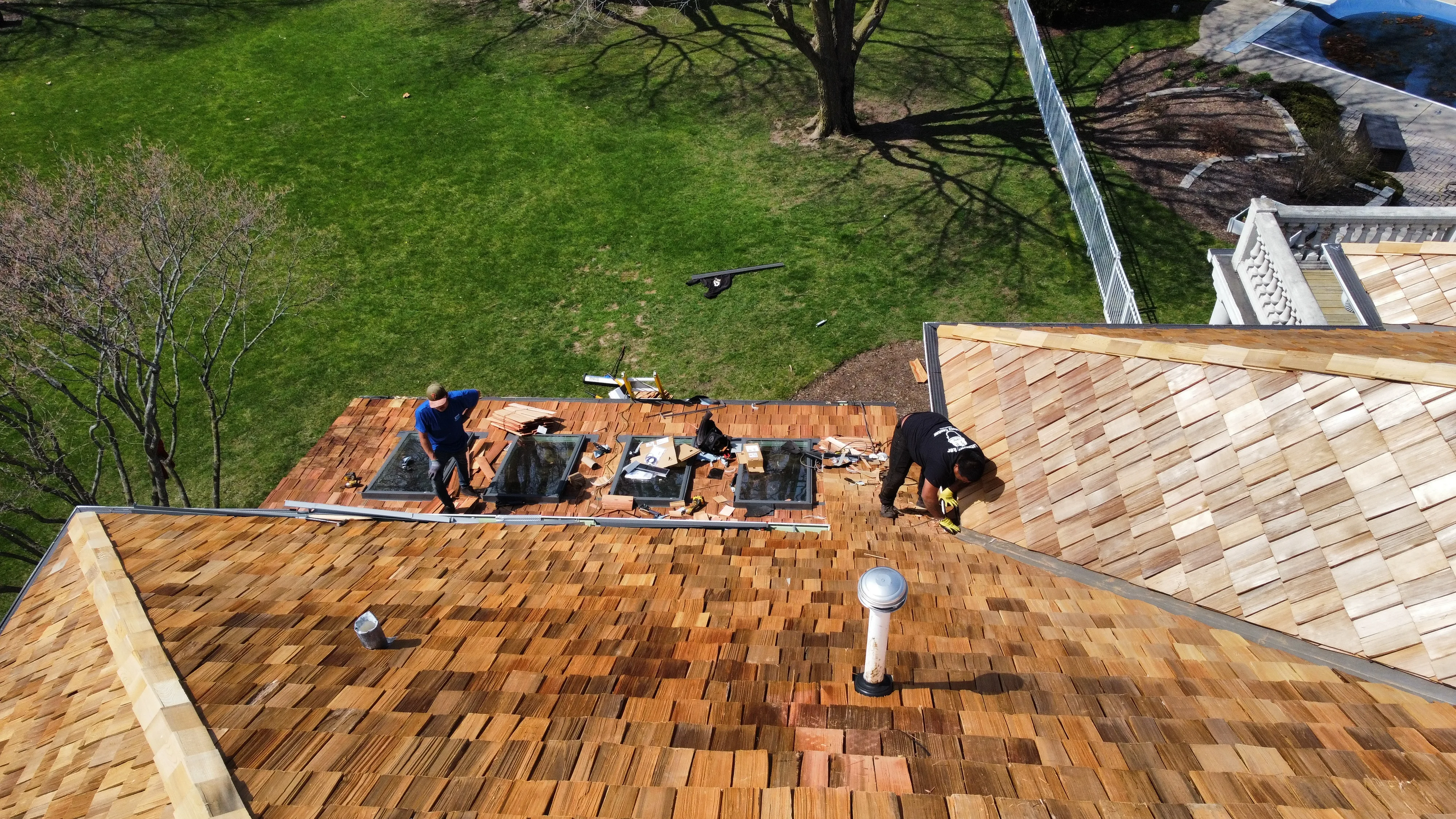






After a bad storm rolls through Chicagoland, most homeowners make the same mistake. They call their insurance company first. That's not wrong exactly, but it puts you at a disadvantage. You're reporting damage you haven't fully documented yet, which means you're relying on the carrier's adjuster to find everything.
The better approach is to get an independent inspection first, then file the claim with documentation in hand. Here's the step-by-step process we walk homeowners through after every major storm event.
Step 1: Get a Professional Roof Inspection
Before you call your insurance company, get a qualified inspector on your roof. A Haag-certified inspector knows exactly what adjusters look for and documents damage in the format insurance companies expect. This isn't a sales pitch. It's your baseline evidence.
The inspection should include close-up photos of every damaged area, measurements of affected sections, identification of the damage type (hail hits, wind creases, lifted shingles), and notes on which components need repair versus full replacement. A thorough inspection takes 45 minutes to an hour on an average home.
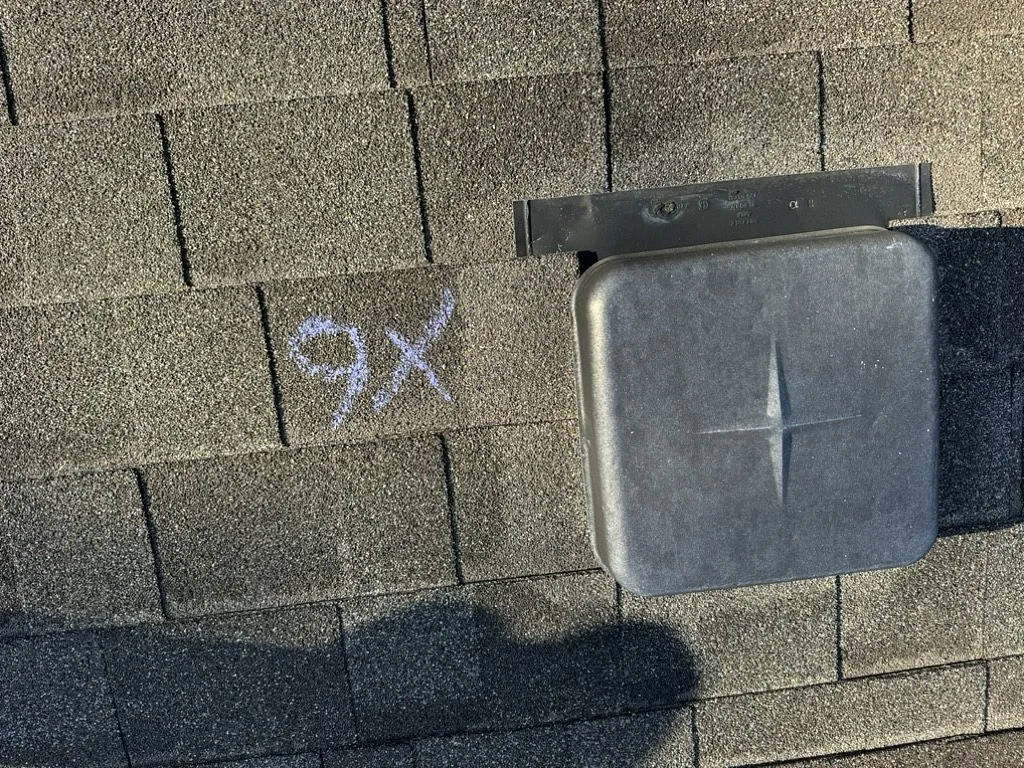
Our inspections are free because we're looking to earn the restoration work if damage exists. You keep the report regardless, even if you choose a different contractor or decide not to file a claim.
Step 2: File the Claim with Your Insurance Carrier
Call your carrier's claims line (not your agent's office) and report the damage. You'll need the date of the storm, a general description of the damage, and your policy number. Most carriers also accept claims online or through their mobile app.
Be specific about the storm date. Saying "sometime last month" weakens your claim. If you aren't sure of the exact date, check local weather records or NOAA storm reports for your area. The insurance claims process page has direct claims numbers for every major carrier in Illinois.
Once you file, the carrier assigns a claim number and schedules an adjuster visit. This typically takes 7 to 14 days, though after major hail events, the wait can stretch to several weeks.
Free Storm Damage Inspection
Haag-certified inspectors. Full photo documentation. Adjuster meeting and supplements for documented misses.
Get My Free InspectionOr call (708) 847-5095
Step 3: Schedule the Adjuster Visit (and Attend It)
Your insurance company sends a field adjuster to inspect the damage. This is the single most important appointment in the entire process. What the adjuster documents on this visit determines your initial payout.
You (or your contractor) need to be there. The adjuster works for the insurance company. Their job is to assess damage accurately, but they're also working through dozens of claims. They may spend 20 minutes on your roof. Your contractor should walk the roof with the adjuster, point out every area of documented damage, and make sure the adjuster's notes match the inspection findings.
If you can't attend personally, make sure your contractor has authorization to meet the adjuster on your behalf. Some carriers require written authorization, so ask when you schedule the appointment.
Step 4: Review the Insurance Estimate
After the adjuster visit, your carrier sends a scope of loss document. This is an itemized estimate, usually generated in Xactimate, that lists every repair the carrier included and the dollar amount for each line item.
This is where many homeowners lose money. The initial estimate often misses items the adjuster didn't catch or undervalues certain repairs. Common omissions include drip edge replacement, ice and water shield on eaves, starter strip at rakes, pipe collar replacements, and step flashing at wall intersections.
Have your contractor review the scope line by line against their inspection findings. If items are missing or underpriced, that's what supplements are for.
Step 5: File a Supplement if Needed
A supplement is a formal request for additional payment to cover items the original estimate missed. Your contractor prepares the supplement with photos, measurements, and Xactimate line items that document the gap between the carrier's scope and the actual scope of work.
Supplements are not adversarial. They're a normal part of the insurance restoration process. Adjusters expect them.
Your contractor documents the damage, meets the adjuster at the inspection, and supports supplements for documented misses. You don't need to negotiate anything or interpret policy language. That's between the contractor's scope documentation and the carrier's review process.
Need Help with Your Storm Damage Claim?
We inspect the damage, attend the adjuster visit, and handle supplements. Free Haag-certified inspection with full photo documentation.
Get My Free InspectionOr call (708) 847-5095
Step 6: Approve the Work and Schedule Repairs
Once the final scope is agreed, your contractor pulls permits, orders materials, and schedules the installation. Most storm restoration jobs are scheduled within 7 to 10 business days of the final scope. A typical full replacement takes 1 to 3 days depending on the size and complexity of the roof.
Your out-of-pocket cost is your deductible. The insurance payment covers the rest based on the final scope, subject to your policy terms. If your policy pays on a replacement cost value (RCV) basis, you'll receive a depreciation holdback after the work is completed and you submit the final invoice to your carrier.
Common Mistakes That Cost Homeowners Money
The biggest mistake is filing a claim without documentation. If you're unsure whether your damage is even covered, start with our guide on whether homeowners insurance covers roof leaks. You're essentially walking into a negotiation with nothing on your side of the table. The adjuster writes the scope, the carrier relies on their own estimate, and you have no basis to challenge it.
The second biggest mistake is not attending the adjuster visit. If your contractor isn't on the roof with the adjuster, damage gets missed. A 20-minute adjuster visit on a 30-square roof means some areas get a quick glance at best.
The third mistake is accepting the first estimate without review. Initial insurance estimates are a starting point, not a final offer. Homeowners who skip the supplement process leave money on the table in the majority of storm damage claims. If your claim gets denied entirely, see our guide on what to do after a denial.
Finally, don't wait too long to file. Your policy sets its own deadline to report damage, and it can be short, so check your declarations page or ask your agent. Evidence also deteriorates fast. Granule loss washes away, lifted shingles reseal in warm weather, and secondary water damage obscures the original storm damage. The sooner you file, the stronger your claim. For more on filing deadlines, see our guide on how long you have to file a roof insurance claim in Illinois.
What Your Contractor Does vs. What You Do
Your contractor's job is to document the damage, meet the adjuster, prepare the scope, file supplements, and perform the restoration work. They don't negotiate settlements, interpret your policy coverage, or represent you to the carrier. Those activities require a public adjuster license or an attorney in Illinois.
Your job is to file the claim with your carrier, be available for the adjuster visit (or authorize your contractor to attend), review and sign off on the scope, and pay your deductible. The carrier's job is to send an adjuster, generate a scope of loss, and issue payment based on the estimate.
When all three parties do their jobs, the process moves smoothly. Most claims close within 30 to 45 days. The ones that drag out are usually missing documentation or stuck in supplement review.
Carrier-Specific Claim Filing Links
If you know your carrier, we've built detailed guides for the major Illinois insurers. Each one walks through that carrier's specific claims process and what to watch for during the adjuster visit.
State Farm roof claims | Allstate roof claims | American Family roof claims | Travelers roof claims | Liberty Mutual roof claims | Farmers roof claims
Local Contractor, Not a Storm Chaser
C&N Construction runs from 24 N Hillside Ave, Hillside, IL 60162. Permanent office, not a PO box. Licensed and insured in Illinois since 2015. Over 25,400 projects completed across Chicagoland with in-house W-2 crews. When we give you a warranty, we're still here to honor it.
How It Works When You Say Yes
No-risk contract. You sign a contingency agreement. Work starts after insurance approves the claim. If it doesn't go through, you owe nothing.
Your budget, your call. You can spec down the project to match your insurance payout exactly. You won't pay for unapproved work unless you tell us to order it before the approval.
We call you first. If there's a gap between our recommendation and insurance, we call you. The only reasons you'd pay extra are damaged lumber or a luxury shingle upgrade.