


A standalone professional roof inspection typically runs $120 to $400 in Chicagoland, more with drone or infrared work. Storm damage inspections from restoration contractors are typically free, because finding claim-worthy damage is how they earn the repair. Both models are legitimate. Which one fits depends on why you need the inspection.
What Does a Paid Roof Inspection Cost?
Search "roof inspection cost" and you'll find numbers all over the map, because a roof inspection means different things depending on the context. The pricing follows the purpose. Here's the breakdown for the Chicagoland market in 2026.
Basic visual inspection: $100 to $200. A roofer or home inspector climbs the roof, or scans it with binoculars from the ground, and gives you a general condition assessment with a verbal summary or short written report. You'll learn whether the roof looks sound or needs attention, but you won't get detailed damage documentation, measurements, or anything useful for an insurance claim.
Standard professional inspection: $200 to $350. This is what most independent roof inspectors and home inspection firms charge. The inspector walks the full roof, checks every penetration (vents, pipes, skylights, chimney flashing), examines the attic for leak and ventilation issues, and delivers a written report with photos covering current condition, estimated remaining life, and recommended repairs.
Comprehensive inspection with drone or infrared: $350 to $500. At the higher end, some firms add drone photography for aerial documentation and infrared imaging to detect moisture trapped beneath the surface. The thermal scan can reveal leaks the eye can't find, particularly on flat or low-slope roofs. Most residential homeowners only need this for a large or complex roof, or a hidden leak that standard methods haven't located.
| Paid Independent Inspection | Free Contractor Inspection | |
|---|---|---|
| Typical cost | $120 to $400, more for drone or infrared work. | Free. The contractor absorbs the cost hoping the findings earn the project. |
| Who does it | A home inspector or roof consultant with no repair business behind the report. | A roofing contractor who hopes to earn any resulting work, disclosed plainly. |
| Best for | Real estate transactions, neutral second opinions, dispute documentation. | Suspected storm damage and insurance claims. |
| Depth | Varies by firm. Often visual from a ladder or drone. | Slope-by-slope walk with photos, hit counts, and test squares when storm damage is the question. |
| Output | A condition report on the roof's overall health and remaining life. | Claim-ready documentation in the format carriers expect. |
The incentive difference is real and worth naming. An independent inspector is paid for the report and nothing else. A restoration contractor is paid only if damage leads to work, which is why the report costs you nothing and why you should judge it on the evidence in the photos.
Why Are Storm Damage Inspections Free?
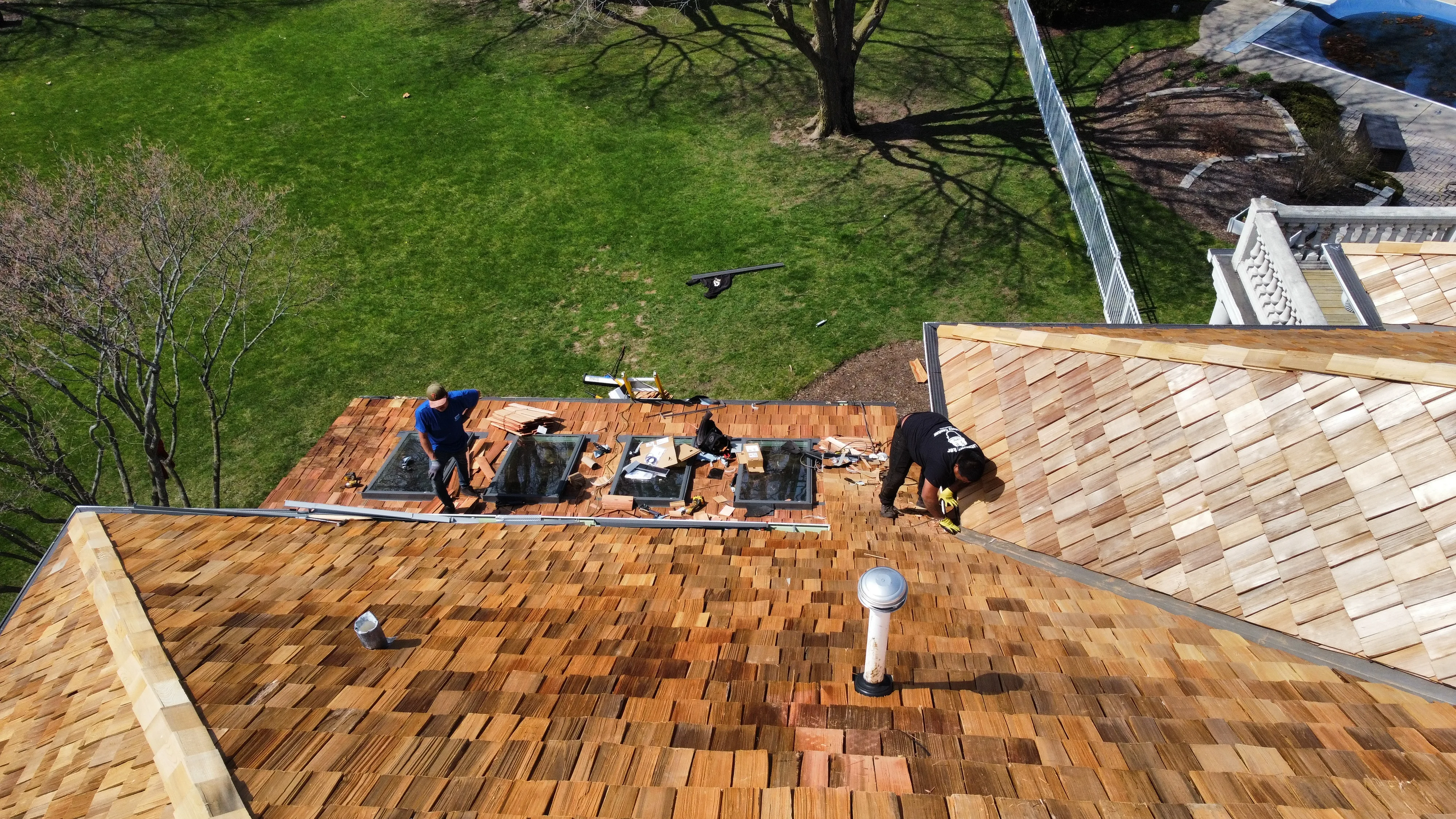
Restoration contractors, including our team, inspect storm-hit roofs at no charge because the inspection is how the work finds us. If a Haag-certified inspector documents claim-worthy hail or wind damage, you can file an insurance claim with that report, and there's a good chance you'll hire the contractor who found and documented the damage to perform the covered repairs. The report costs us time, and we hope the findings earn the project.
When the inspector finds no storm damage, you get a clean bill of health and we move on. No charge, no obligation, and the report is yours to keep either way. That candor is the whole reason the model works: a contractor who invents damage gets caught by the adjuster, loses the claim, and torches a local reputation that took years to build.
A free storm damage inspection makes sense when a confirmed hail or wind event has hit your area, when you've noticed warning signs like granules in gutters, missing shingles, or dented vents, or when a neighbor has already filed a claim for the same storm. Most hail damage is invisible from the ground, which is why the storm you shrugged off in June becomes the leak you find in February.
Free Storm Damage Inspection
Haag-certified inspectors, every slope walked, every finding photographed. The report is yours to keep whether or not you ever call us again.
Get My Free InspectionOr call (708) 847-5095
When Is Paying for an Independent Inspection Worth It?
There are situations where the contractor model is the wrong tool, and it's worth saying so plainly. When you're buying or selling a house, the lender, attorney, and buyer all want a condition assessment from someone with no stake in whether repairs happen. Pay the $200 to $350 for an independent inspector. That's what neutrality costs, and in a transaction it's worth it.
The same logic applies to disputes. If you're contesting a claim decision or heading toward appraisal, a report from a contractor who'd profit from the repair can be discounted as interested testimony. An independent consultant's report carries weight precisely because the author earns nothing from the outcome. The Insurance Information Institute is a useful starting point for understanding how the appraisal process handles disagreements.
Commercial due diligence rounds out the list. Anyone evaluating a large flat-roof asset should budget for the full drone and infrared workup from a firm that inspects for a living. The moisture scan alone can change a purchase price.
What Should Any Good Inspection Include?
Whatever you pay, the fundamentals don't change. A thorough inspection covers every slope of the roof, not just the ones visible from the driveway. It checks all penetrations and flashing: pipe boots, exhaust vents, skylights, step flashing at walls, counter flashing at chimneys, valley metal, ridge and hip caps, and drip edge.
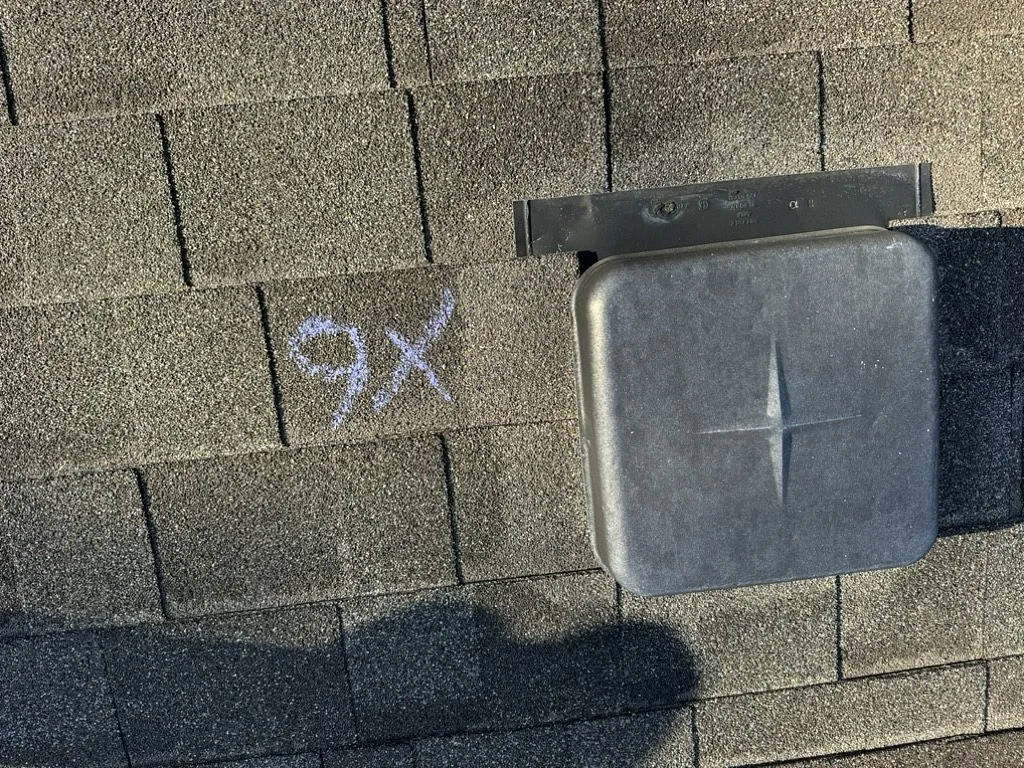
Every finding gets photographed twice, a close-up that shows the damage detail and a wide shot that shows where it sits on the roof. Measurements record the extent across each affected area. When leaks or ventilation are in question, the inspector checks the attic or interior ceilings too, because water travels and the stain rarely sits below the entry point.
The output is a written report, usually delivered within 24 to 48 hours, that distinguishes hail damage from wind damage from mechanical damage from plain aging. That distinction matters because insurance covers specific perils, not wear. Haag certification is the insurance industry's standard for exactly this skill, and adjusters recognize its methodology when they review a claim file.
What Happens After a Free Storm Inspection?
Three outcomes cover nearly every inspection we run. The first is nothing claim-worthy. The roof took the storm fine, you get a dated report saying so, and that report becomes your baseline. If a future storm does cause damage, you can show your carrier exactly what changed and when.
The second is repair territory: real damage, but localized enough that a targeted fix makes more sense than an insurance claim. A handful of wind-lifted shingles or one failed pipe boot usually lands under most deductibles. Our roof repair cost guide breaks down what those fixes run so you can compare against your deductible with real numbers.
The third is claim territory: widespread hail strikes or wind damage across multiple slopes that your policy likely covers. You'd file with the carrier using the report as documentation, the adjuster confirms the findings on their own inspection, and the claim proceeds from there. If you're weighing that decision, our guide to getting an inspection without filing a claim walks through it, because the inspection never obligates you to file anything.
For suspected storm damage, the free contractor inspection is the right tool, and it costs nothing to be wrong about. If the roof is clean, you're out an hour and you gained a dated baseline. Pay for independence when neutrality itself is the product: a real estate deal, a dispute, or any situation where the report's author must have nothing to gain.
Take the free storm inspection when
- A confirmed hail or wind event has hit your area, even if the roof looks fine from the ground
- You've spotted warning signs: granules in gutters, missing shingles, dented vents
- Neighbors are filing claims for the same storm
- You want claim-ready documentation before deciding whether to involve your carrier
Pay an independent inspector when
- You're buying or selling a home and the report needs to be neutral
- You need evidence in a dispute where a contractor's report could be discounted as interested
- You're heading into the appraisal process and want disinterested support
- You're doing commercial due diligence and need the full drone and infrared workup
Chicago Storm Pros is a service of C&N Construction, Inc. (cnroofs.com). Reviews, project counts, certifications, and ratings shown here reflect C&N Construction's work.
Related Decisions
- Can I get a roof inspection without filing a claim?
- The adjuster says there's no damage. Now what?
- Roof repair cost: what fixes run when a claim isn't the answer
Find Out What Your Roof Took
Free Haag-certified inspection from a licensed Illinois contractor with a permanent Hillside office. Every slope walked, every finding photographed, and the report is yours whatever you decide.
Get My Free InspectionOr call (708) 847-5095