




The average Illinois hail claim runs about $8,952 per industry data, but real Chicagoland projects range from a $500 spot repair to a $45,000 full replacement, because hail damage is rarely as small as it looks from the ground. For insured storm damage, your out-of-pocket cost for the covered work is your deductible, which your policy sets. It is often a flat amount such as $1,000 to $2,500, and for wind and hail it can be a percentage of your dwelling coverage (1% to 2%).
Think hail hit your roof? Snap a photo.
Photograph the gutters, vents or shingles. We circle what we seem to see and say whether an inspection is worth it.
Free. 30 seconds. No signup.
This AI only looks for storm and roof damage, and it isn't perfect. Think of it as a good starting point for a conversation.
Your browser shrinks the photo and removes the location data before it leaves your device. Privacy details.
Want to check recent storms near you? Your city only.
We never ask for a street address here, and the city stays in your browser.
Want us to get an inspector over, as soon as tomorrow in most cases?
A free inspection puts someone on the roof with a hand on the shingle. The report is yours to keep.
Hail cost questions have two honest answers: what the repair costs, and what it costs you. Those are different numbers, because most slope-wide hail damage in Chicagoland ends up as an insurance claim where your out-of-pocket is the deductible.
Here's how the repair side breaks out in 2026, based on the scope the inspection documents.
| Damage Scope | What It Involves | 2026 Cost Range |
|---|---|---|
| Spot repair, isolated hits | Replacing bruised or cracked shingles in one area, resealing exposed boots. | $500 to $1,500 |
| Section repair | One or two slopes, plus accessory damage to vents, flashing, and gutters. | $1,500 to $5,000 |
| Slope-wide damage | Widespread bruising across slopes. Often claim territory. | $5,000 to $12,000 |
| Full replacement | Hail bruising across most slopes. Typically what an approved claim covers. | $12,000 to $45,000+ |
Hail claims frequently include gutters, downspouts, window wraps, and siding, which raise scope beyond roof-only figures.
Why Does Hail Damage Cost More Than It Looks?
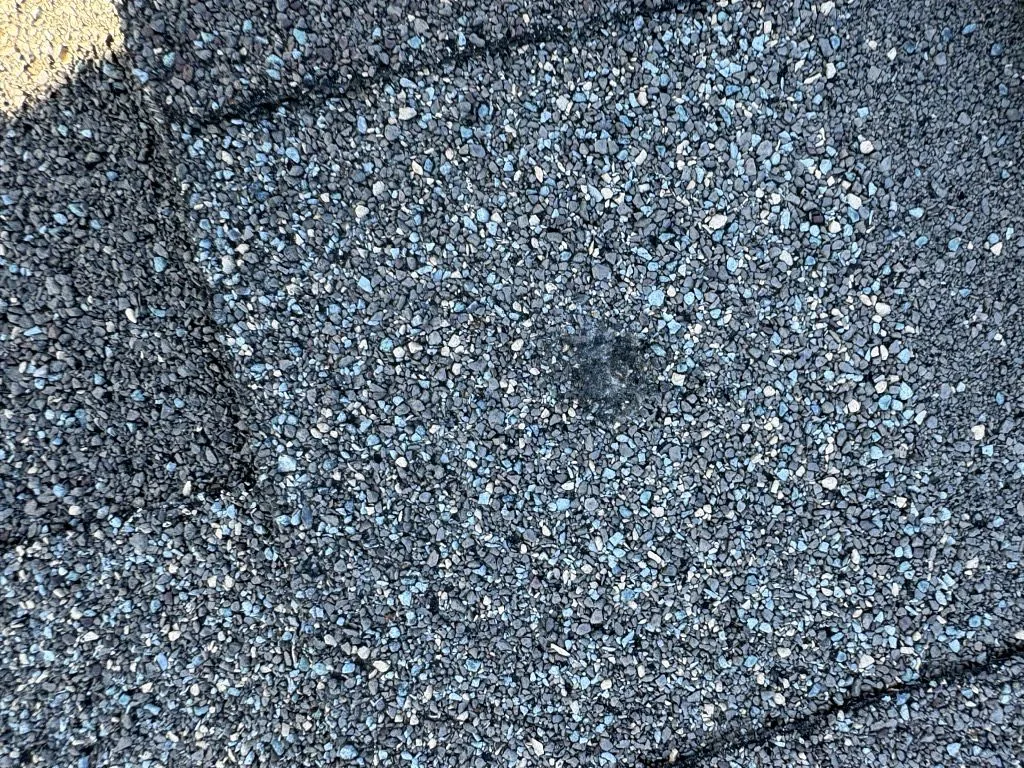
A hail bruise is a soft fracture under the granule surface, not a hole you can spot from the driveway. The impact knocks granules loose and cracks the fiberglass mat underneath, while the shingle above still looks mostly intact.
That bruise doesn't leak this month. It leaks in year two or three, after freeze-thaw cycles and UV exposure work the fracture open, which is when a small ignored problem becomes a decking and interior problem.
Hail also scatters. Hits land across multiple slopes rather than clustering where you happen to be able to see them, and accessories take damage too: vents dent, flashing creases, gutters and downspouts pick up dings that adjusters use to confirm the storm's direction and intensity. That's why the honest range runs from a few hundred dollars to the cost of a full roof replacement.
What Does Insurance Typically Pay?
Industry data tracked by sources like the Insurance Information Institute puts the average Illinois hail claim at about $8,952. When a claim is approved, the carrier pays the approved scope minus your deductible, and the policy sets what that scope and deductible are.
Payment usually arrives in two checks on replacement cost value policies. The first covers roughly 55% of the claim and the second, the recoverable depreciation, releases the remaining 45% or so after the work is completed, with your deductible usually split across the two.
That second check is the one homeowners miss. On an RCV policy, skipping the completion paperwork leaves recoverable depreciation on the table, sometimes thousands of dollars.
| Paying Cash | Insurance Claim (Approved) | |
|---|---|---|
| Your cost | The full bill, whatever the scope turns out to be. | Typically your deductible, usually $1,000 to $2,500. |
| When it fits | Damage below or near the deductible. | Documented damage well past it, which slope-wide hail usually is. |
| Scope | What you can see and choose to fix. | Everything the documented claim covers, including accessories. |
| Deadline | None. Repair on your own schedule. | Your policy sets its own deadline to report a loss; check your declarations page. |
| Watch out for | Underscoping hidden bruising that leaks later. | Missing the recoverable depreciation second check on RCV policies. |
Assumes a covered peril and an approved claim. Your policy language controls what gets paid and when.
Find Out Which Column You're In
A free Haag-certified inspection maps every slope with photos and hit counts, so you know whether you're looking at a few hundred dollars in repairs or a scope worth a claim conversation, before you spend anything.
Get My Free InspectionOr call (708) 847-5095
What Do You Pay Beyond the Deductible?
On an approved claim, typically nothing. The claim scope covers the documented damage, and your deductible is your share of it.
The disclosed exception is rotted decking. If tear-off reveals boards too rotten for a crew to safely stand on, they have to be replaced before shingles go down, and decking replacement beyond your policy's allowance is billed per sheet. A contractor who walks your attic first can usually flag this before it's a surprise.
Upgrades are the other category. If you choose a heavier shingle class, upgraded ventilation, or a color-matched accessory package beyond what the claim scopes, that difference is on you, and it should be quoted in writing before work starts.

When Is Hail Damage Not Worth a Claim?
Plenty of hail damage isn't claim material, and it costs you nothing for an inspection to say so. A few cosmetic hits on an otherwise sound roof, a repair that prices under your deductible, or marks that turn out to be blistering and age wear rather than impact damage all fall into pay-cash-or-monitor territory.
Filing a claim the inspection doesn't support gains you nothing. The carrier sends its own adjuster, the scope doesn't clear the deductible, and you've spent weeks on a claim that pays zero.
A straight inspection sorts this out before you call your carrier. It also ties the damage to a specific dated storm, which you can confirm against records from the National Weather Service, and that matters because your policy sets its own deadline to report a loss, so check your declarations page or ask your agent.
How Do You Know the Real Scope?
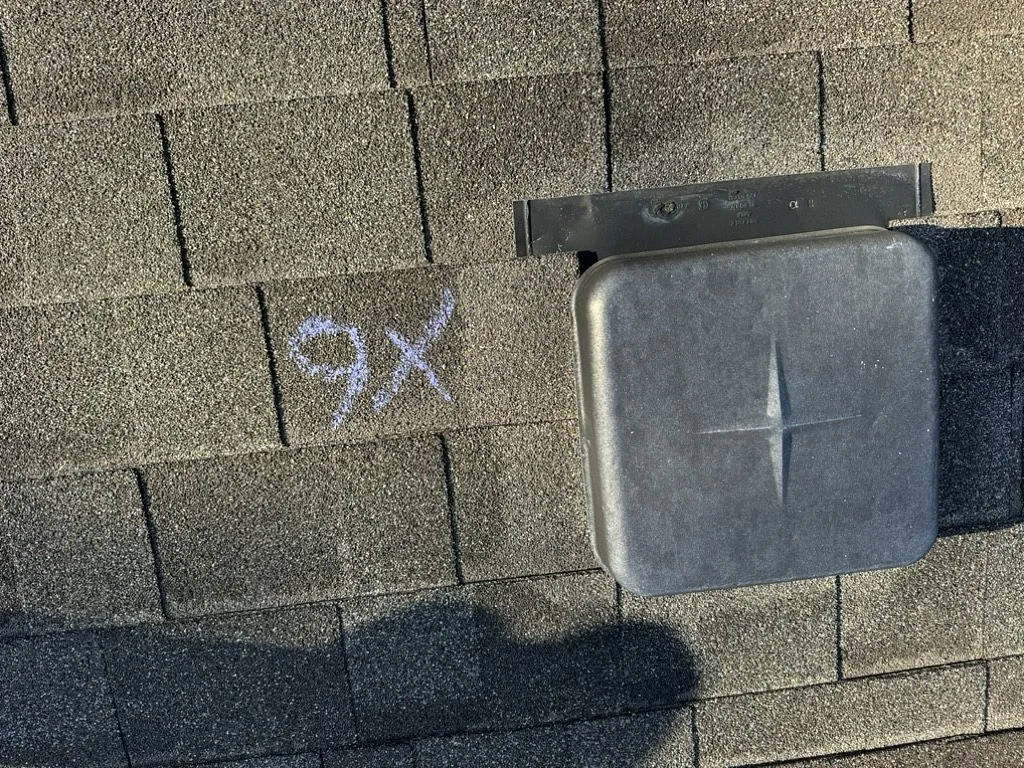
Documentation, not guesswork. An inspector chalks 10x10 test squares on each slope, counts the hits inside them, and maps which slopes clear the thresholds carriers use. That's the same method insurance adjusters apply, done before the adjuster arrives.
The difference between a $900 patch and an approved replacement is rarely the hail. It's whether anyone documented what the hail did, slope by slope, with photos that hold up when the adjuster walks the roof. Our guide to identifying hail damage on your roof covers what those hits look like up close.
If your roof took hail this season, a free storm damage inspection gives you that documentation with no obligation to file anything.
Never price hail damage from the driveway. A documented inspection either shows isolated hits you can fix for a few hundred dollars or slope-wide bruising that makes the claim conversation worth having, and your policy's own deadline to report a loss rewards finding out early.
Cash repair territory
- A handful of isolated hits on one slope, with the rest of the roof sound
- Repair estimates below or near your deductible
- Marks that turn out to be blistering or age wear, not impact
- Cosmetic accessory dings with no functional roof damage
Claim conversation territory
- Bruising documented across multiple slopes, not one spot
- Test squares that clear the hit-count thresholds carriers use
- Accessory damage to gutters, vents, wraps, or siding on top of the roof
- A documented scope that runs well past your deductible
Chicago Storm Pros is a service of C&N Construction, Inc. (cnroofs.com). Reviews, project counts, certifications, and ratings shown here reflect C&N Construction's work.
Related Decisions
- How to identify hail damage on your roof
- Insurance claim vs paying out of pocket: which fits your damage
- Roof replacement cost in Illinois
Free Hail Damage Inspection
Haag-certified inspection with slope-by-slope photo documentation, from a GAF Master Elite contractor with a permanent Hillside office and an Illinois license you can verify before we arrive. IL #104.017643.
Get My Free InspectionOr call (708) 847-5095