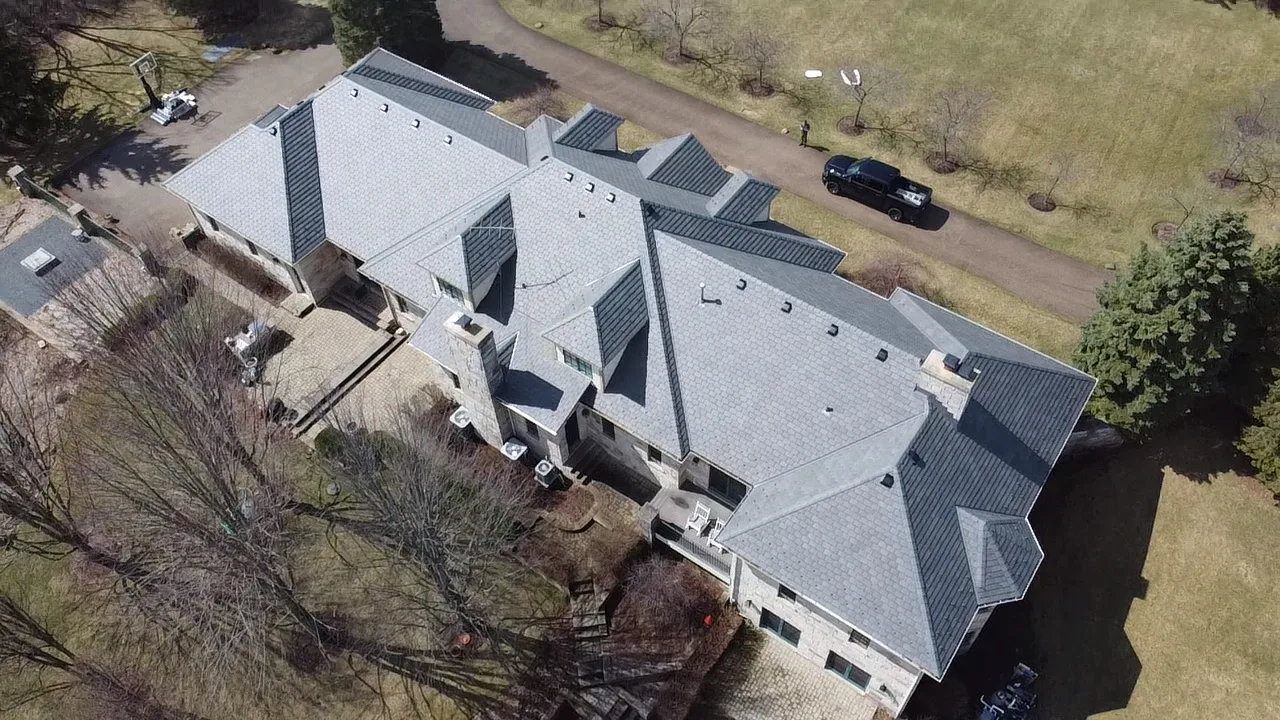






You have four options: file the claim and repair before listing, repair out of pocket, credit the buyer at closing, or sell as-is with disclosure. Illinois's residential disclosure law requires disclosing known material roof defects either way, and your insurance claim doesn't transfer with the house, so the file-before-close window matters more than most sellers realize.
| How It Works | The Catch | |
|---|---|---|
| File the claim and repair before listing | Insurance funds the roof, you pay the deductible, and the house lists with a new roof. | The claim timeline: adjuster, approval, and install can run 4-8 weeks, so it has to start before listing, not during attorney review. |
| Repair out of pocket | Fast, and no claim on your record. | You're funding what insurance might have covered. Only sensible when the repair costs less than your deductible. |
| Credit the buyer at closing | The deal keeps moving, and the buyer picks their own contractor. | Buyers and their lenders discount aggressively. Credits routinely exceed the repair's real cost, and some loan programs restrict credits. |
| Sell as-is with disclosure | No repair hassle at all. | Disclosed roof damage invites price cuts larger than the repair, inspection renegotiation, and buyer-financing friction, since lenders and insurers both react to roof condition. |
Whichever option you take, known material roof defects belong on the Illinois disclosure form. Nondisclosure creates post-closing liability.
What Does Illinois Require You to Disclose?
Illinois's residential disclosure law requires sellers to complete a disclosure report before closing, and that report asks directly about known material defects in the roof. If you know the hail damage is there, it goes on the form, whichever of the four options you choose.
"I never got it inspected" isn't the shield sellers hope it is. The form covers defects you know about, and buyers who find storm damage after closing can and do bring nondisclosure claims. Post-closing disclosure disputes are a well-worn category of Illinois real estate litigation, and they cost far more than any roof repair.
The clean play is knowing your roof's condition before you list, in writing, with photos. That's exactly what a documented inspection gives you: either confirmation the roof is fine, or a clear picture of what you're disclosing and what it'll take to fix.
Why Doesn't the Claim Transfer to the Buyer?
Your homeowners policy insures you, not the house. Rights to a loss that happened while you owned and insured the home belong to you, and they generally don't follow the deed. The buyer can't file a claim on your storm, no matter how well documented the damage is.
That means an unfiled claim effectively expires with your ownership. Your policy also sets its own deadline to report a loss, so that deadline can pass even before you sell. The Insurance Information Institute is a useful plain-language reference on how these policy provisions typically work.
The practical upshot: if there's claimable hail damage on your roof, the filing decision is yours, and it's now. Waiting to "let the buyer deal with it" hands away money that only you can collect. We cover the file-or-pay decision in more depth in our insurance claim vs out of pocket guide.
Know Your Roof Before the Buyer's Inspector Does
A free pre-listing inspection documents your roof's condition with photos, so you're disclosing from facts instead of guesses. The report is yours to keep, whatever you decide to do with the house.
Get My Free InspectionOr call (708) 847-5095
Which Option Nets You the Most?
Here's the honest math. An insurance-funded replacement before listing typically costs you your deductible, and in exchange the house lists with a new roof. A new roof appraises better, shows better, and removes the single biggest renegotiation lever from the buyer's inspector.
The credit path survives when timelines are short, but it's expensive. Buyers price roof risk pessimistically: they take the repair estimate, add the hassle and the unknowns, and round up. As-is pricing is worse still, because you eat the repair cost plus a risk premium, and the disclosed damage invites lender and insurer friction on the buyer's side.
Run the numbers on a typical case. A $20,000 approved replacement costs you a $2,000 deductible and lists the house with a new roof. The same damaged roof left in place commonly draws a $25,000 price cut demand from a buyer who now holds the leverage. That's a five-figure swing on the same shingles.
What About the RCV Second Check?
If you carry a replacement cost value policy, this is the trap to know about. RCV claims typically pay in two checks: the actual cash value up front, then the recoverable depreciation after repairs are completed and invoiced. The second check doesn't release until the work is done.
Sell after collecting the first check but before repairing, and you generally forfeit that holdback. You also hand the buyer a roof with documented, unrepaired damage, which carriers and buyers' insurers can both see in the claim history. It's the worst of both worlds: a smaller payout for you and a harder sale.
If you're not sure which policy type you have, our RCV vs ACV guide breaks down how each one pays and what the depreciation holdback means for your timeline.
What's the Timeline If You File Before Listing?
The sequence looks like this. Inspection now, then the claim gets filed with photo documentation. The adjuster visit typically lands 1-2 weeks after filing, longer after a widespread catastrophe when carriers are swamped. Then approval, materials, and the install itself, which commonly takes 1-3 days once materials land.
Start to finish, plan on 4-8 weeks. That's why the calendar drives this decision: a spring listing means a late-winter inspection, and a claim filed during attorney review is a claim filed too late to help the sale.
Capacity matters here too. We operate over a dozen crews across Chicagoland, and we schedule installs as soon as claims start paying, so an approved claim doesn't sit in a queue while your listing date approaches. The first step is a free storm damage roof inspection to establish what you're working with.
If there's claimable hail damage, filing and repairing before listing usually nets the most and cleans up the disclosure. The credit path is the fallback when the calendar wins. As-is is the price-taker's path. And in all four, the disclosure form gets filled out honestly.
File and repair first when
- You have 4-8 weeks of runway before listing
- The damage is documented and claimable
- You hold an RCV policy with recoverable depreciation on the table
- You want the new-roof listing story working for you
Credit or as-is when
- You're already under contract
- Your policy's deadline to report has closed
- The damage costs less than your deductible to fix
- Estate or relocation timelines rule the calendar
Chicago Storm Pros is a service of C&N Construction, Inc. (cnroofs.com). Reviews, project counts, certifications, and ratings shown here reflect C&N Construction's work.
Related Decisions
- Insurance claim vs paying out of pocket: which makes sense
- RCV vs ACV roof claims: how each policy type pays
- Just bought a house with roof damage? Start here
Free Pre-Listing Roof Inspection
Haag-certified inspection with full photo documentation from a licensed Illinois contractor. Know exactly what you're disclosing, what's claimable, and what the timeline looks like before you list.
Get My Free InspectionOr call (708) 847-5095