




The national average for a roof replacement that shows up on Google is almost useless for Chicagoland homeowners. Illinois labor rates, material costs, and permit requirements put our market well above those numbers. Here's what a roof replacement actually costs in the Chicago suburbs in 2026, based on what we see on real projects every week.
Average Roof Replacement Costs in Chicagoland
A full residential roof replacement in the Chicago suburbs ranges from $12,000 to $45,000 or more. That's a wide range because roofs vary enormously in size, complexity, and material choice. Here's how it breaks down by home size with standard architectural shingles.
A 1,200 to 1,500 square foot ranch-style home with a simple roofline typically runs $12,000 to $16,000. A mid-size home of 1,800 to 2,200 square feet with moderate complexity falls in the $16,000 to $24,000 range. Larger homes of 2,500 to 3,500 square feet with steep pitches, dormers, and valleys can reach $28,000 to $45,000. Anything above 3,500 square feet with premium materials and complex architecture starts exceeding $45,000.
These numbers assume one existing layer of shingles being replaced with GAF Timberline HDZ or a comparable architectural shingle, standard synthetic underlayment, and typical flashing and ventilation work. For a look at the full benefits of a new roof beyond leak prevention, including insurance savings and home value, we've published a dedicated guide. Additional layers to tear off, decking repairs, and premium material upgrades push the numbers higher.
What Drives the Price
Roof size is the biggest variable. Roofers measure in "squares," with each square equaling 100 square feet of roof surface. A 2,000-square-foot home doesn't have a 2,000-square-foot roof. The actual roof area depends on the pitch. A 6/12 pitch roof covers about 12% more area than the home's footprint. A steep 12/12 pitch covers 41% more. Your roof's square footage is always larger than your home's square footage.
Pitch affects labor cost directly. A walkable 4/12 or 5/12 pitch lets the crew work standing up. Once the pitch exceeds 7/12, roofers need toe boards, harnesses, and scaffolding, which slows production and adds safety equipment costs. A crew that can shingle 25 squares a day on a low-slope roof might only complete 15 on a steep one.
Tear-off complexity matters too. Removing one existing layer of shingles is straightforward. Illinois building code allows a maximum of two layers, and homes with two layers require a full strip to bare decking before the new roof goes on. Double tear-offs take more labor, fill more dumpster space, and often reveal more decking damage underneath.
Free Storm Damage Inspection
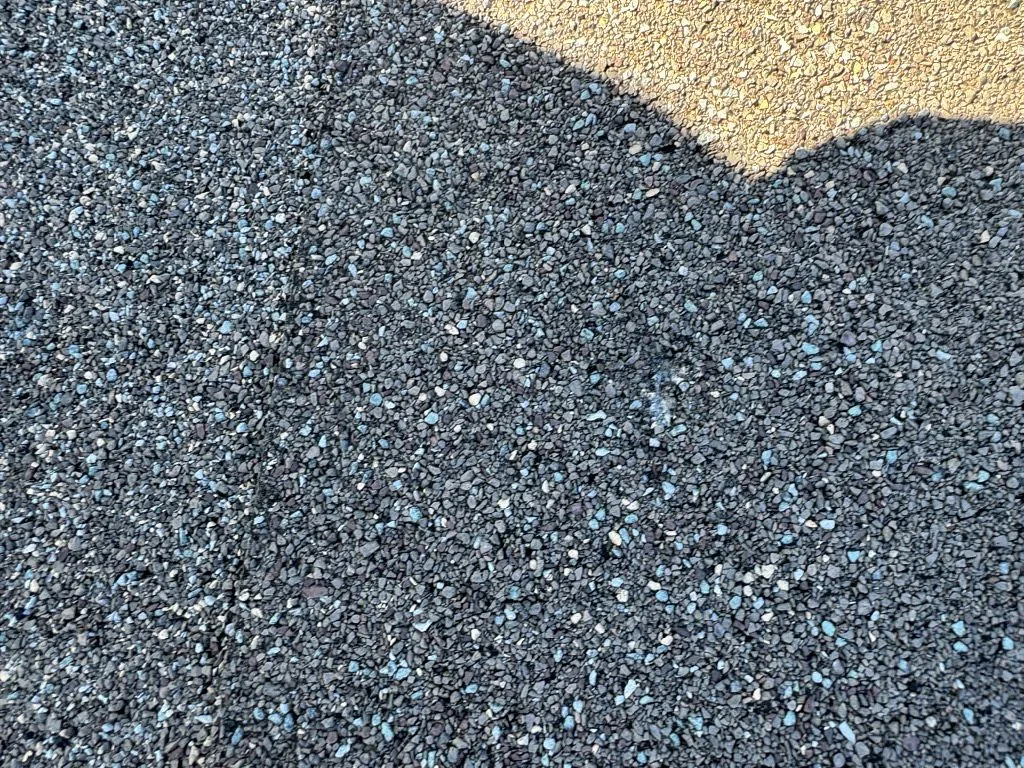
Haag-certified inspectors. Full photo documentation. Insurance claim support from filing to final payment.
Get My Free InspectionOr call (630) 414-9160
Material Tiers and Cost Impact
The shingle you choose has a significant effect on total cost. The market has essentially settled into three tiers for asphalt shingles, plus a premium category for synthetic and natural products.
Three-tab shingles are the economy option at roughly $80 to $100 per square installed. They're flat, uniform, and carry 20 to 25 year warranties. Very few contractors recommend them anymore because architectural shingles offer dramatically better wind resistance and longevity for a modest price increase. Three-tab is fading from the market.
Architectural shingles (also called dimensional or laminate) run $100 to $150 per square installed and are the current standard. GAF Timberline HDZ, CertainTeed Landmark, and Owens Corning Duration are the three most common products in Chicagoland. They carry 30 to 50 year warranties and withstand winds up to 130 mph. This is what goes on roughly 85% of the roofs we install.
Designer shingles from the same manufacturers offer enhanced aesthetics, thicker profiles, and premium warranties for $150 to $250 per square installed. GAF Camelot and CertainTeed Grand Manor fall in this category. They look significantly better but add 30 to 60% to the material cost.
Synthetic slate and shake products like DaVinci Roofscapes start around $300 per square and climb from there. Metal standing-seam roofs run $400 to $800 per square installed. These premium options have their place, but they're a different conversation than a standard shingle replacement.
Need an Accurate Estimate?
We provide detailed, itemized quotes that break down every cost component. No hidden fees, no surprises on installation day. Free inspection for storm-damaged roofs.
Get My Free InspectionOr call (630) 414-9160
Labor Costs in the Illinois Market
Labor is where Chicagoland pricing separates from national averages. Several factors keep labor costs elevated in our market. Illinois has strong union presence in the construction trades, which means higher hourly rates and stricter requirements for benefits and training. That's actually a good thing for quality, but it does affect pricing.
Licensing and insurance requirements in Illinois are more stringent than many states. Legitimate contractors carry general liability insurance, workers' compensation coverage, and maintain current state and municipal licenses. These aren't optional costs. They're the price of doing business legally, and they show up in every quote from a reputable contractor.
The compressed installation season also affects pricing. From November through March, most of Chicagoland sees temperatures that make shingle installation impractical. That concentrates an entire year's worth of roofing demand into about six months, keeping crews busy and rates firm during the installation window.
How Insurance Changes the Math
For storm-damaged roofs, the cost conversation looks completely different. If your roof was damaged by hail, wind, or other covered perils, your homeowner's insurance typically covers the full replacement cost minus your deductible. A $25,000 replacement costs you $1,000 to $2,500 out of pocket (whatever your deductible is), not $25,000.
This is why the repair vs replacement decision changes when insurance is involved. Without insurance, you might choose a $4,000 repair to save money. With insurance covering a full replacement, there's no financial reason to patch when you could have a brand-new roof for the same deductible payment.
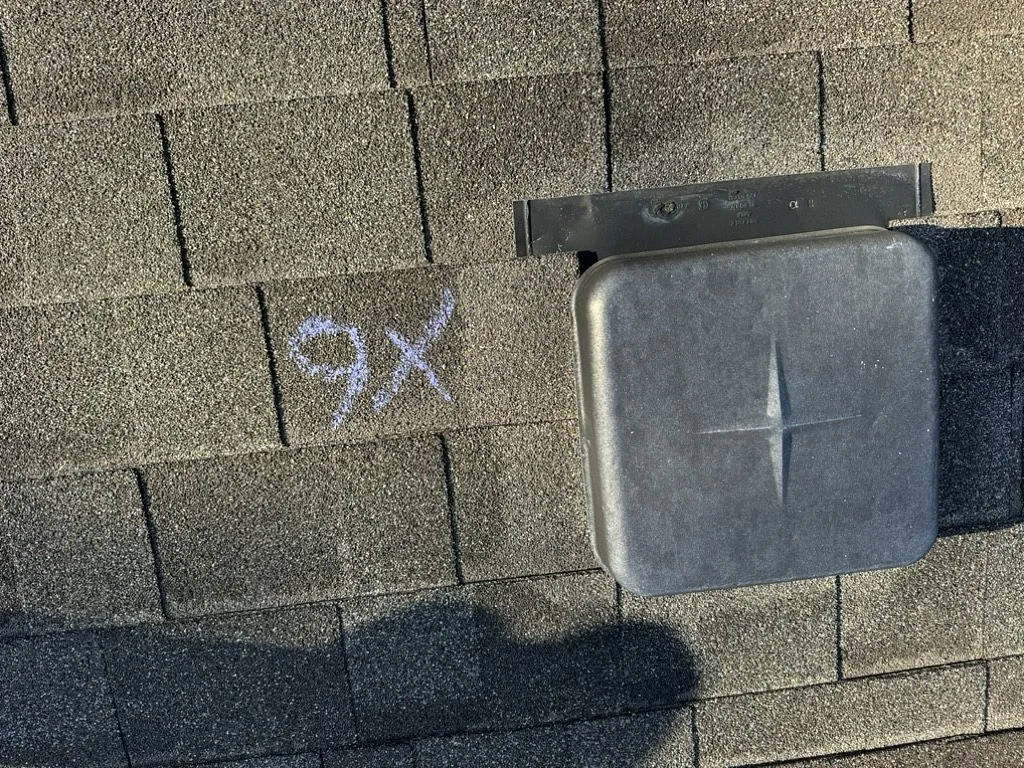
The key to getting a full replacement approved is thorough documentation. Insurance adjusters use Xactimate estimating software and apply specific damage thresholds to determine repair vs replacement. A Haag-certified inspector who documents damage across all roof slopes, not just the obviously damaged areas, gives your adjuster the evidence needed to approve the full scope. For carrier-specific guidance, see our State Farm claim guide and other insurance resources.
Why the Cheapest Bid Usually Costs More
When you get three quotes and one is 30% below the other two, that's not a deal. It's a red flag. The low bidder is cutting costs somewhere, and the places they cut are exactly the places you can't see after installation.
Common shortcuts include using thinner synthetic underlayment (or skipping ice-and-water shield entirely), not replacing rusted or damaged flashing, reusing old pipe boots and vent caps, applying fewer nails per shingle than manufacturer specs require, and skipping the permit to avoid fees and inspection. These shortcuts save $2,000 to $4,000 on a typical job. They also void the manufacturer's warranty and create failure points that show up as leaks 3 to 5 years later.
A roofer who quotes $14,000 for the same roof that two others quoted at $19,000 isn't more efficient. They're using cheaper materials, fewer fasteners, or unlicensed labor. The difference comes out of your roof's performance and lifespan.
Getting an Accurate Estimate
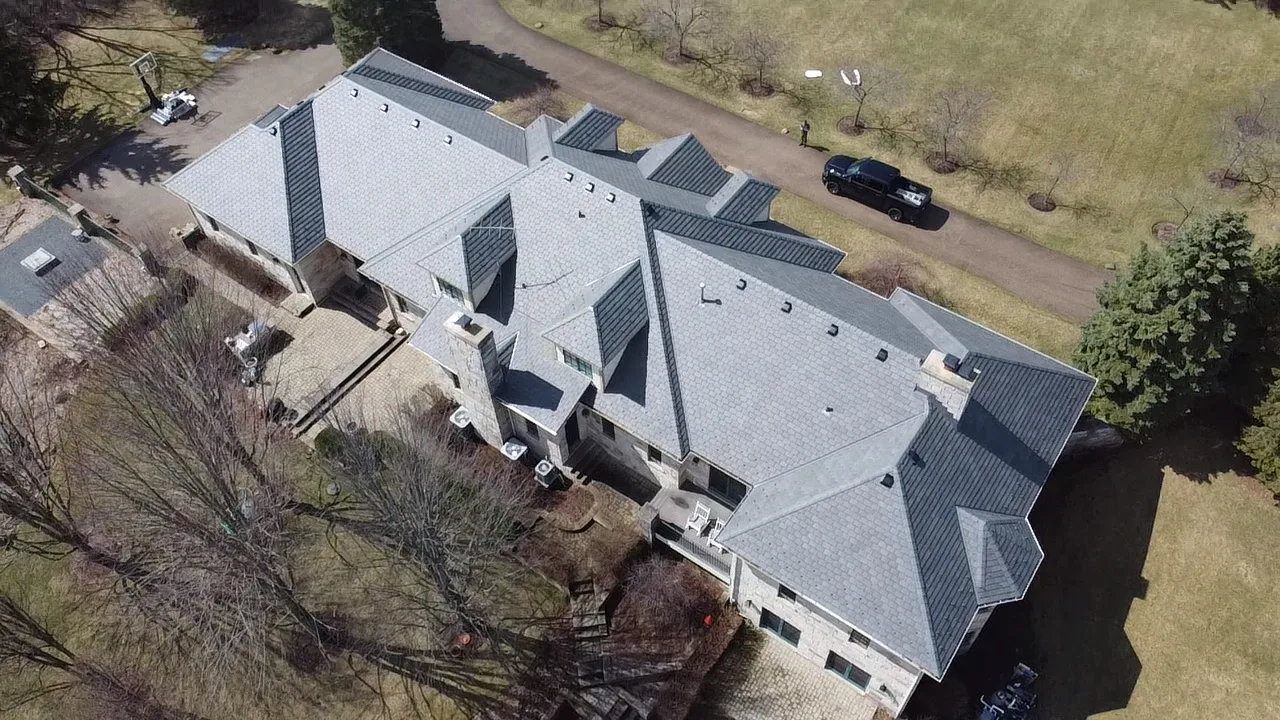
Any contractor quoting a roof replacement over the phone or from a satellite image is guessing. An accurate estimate requires a physical inspection of the existing roof condition, measurement of the actual roof area (not the home's footprint), assessment of the decking condition where possible, count of penetrations, valleys, and transitions, and evaluation of the current ventilation system.
A legitimate estimate should be itemized, showing separate line items for tear-off and disposal, underlayment and ice-and-water shield, shingles by product name, flashing and drip edge, ridge vent and cap, and labor. If someone hands you a single lump number with no breakdown, you can't compare it meaningfully to other quotes and you have no way to know what's being included or excluded. Planning to be home during the work? See our guide on staying in your house during replacement for what to expect.
For storm damage situations, start with a free storm damage inspection. The inspection report serves as both your estimate foundation and your insurance claim documentation. Getting the inspection done before you start collecting quotes ensures every contractor is working from the same damage assessment. See our timeline guide for what to expect after the inspection.
How It Works When You Say Yes
No-risk contract. You sign a contingency agreement. Work starts after insurance approves the claim. If it doesn't go through, you owe nothing.
Your budget, your call. You can spec down the project to match your insurance payout exactly. You won't pay for unapproved work unless you tell us to order it before the approval.
We call you first. If there's a gap between our recommendation and insurance, we call you. The only reasons you'd pay extra are damaged lumber or a luxury shingle upgrade.