





You hear the crack, then the crash. The whole house shakes. A mature oak or elm just came through your roof, and now you're standing in your living room staring up at sky through the ceiling. Or maybe you came home from work to find a limb the size of a telephone pole resting on your ridge line.
Either way, what you do next matters. Tree-on-house situations have a specific sequence that protects your family, your home, and your insurance claim. If water is already coming through, start with our leaking roof action steps while you work through this process.
Immediate Safety: Get Out If You Need To
Your first concern is structural integrity. A large tree can weigh several tons, and when that weight lands on a residential roof, it can crush trusses, crack rafters, and compromise the load path that holds your house together.
Get everyone out of the room directly below the impact. If you see sagging ceilings, hear creaking from the structure, notice cracks spreading in walls, or see the roofline has shifted, evacuate the entire home. Go to a neighbor's house and assess from outside.
Call 911 if anyone is injured, if the tree brought down power lines, or if the structure appears compromised. Downed power lines are invisible killers. If you see any wire on the ground near the tree or your home, stay at least 35 feet away and keep everyone else back.
Free Storm Damage Inspection
Haag-certified inspectors. Full photo documentation. Adjuster meeting and supplements for documented misses.
Get My Free InspectionOr call (708) 847-5095
Shut Off Utilities If Accessible
If the impact is severe and you can safely reach your electrical panel, shut off the main breaker. A tree that penetrates the roof can damage wiring in the attic, and water flowing through the opening creates electrical hazards. If you smell gas, leave immediately and call Nicor Gas (888-642-6748) from outside the home.
Don't go into the attic to inspect the damage. The attic space directly under a tree impact may have broken trusses, punctured decking, and unstable footing. Leave that assessment to the professionals.
Document Before Anyone Touches Anything
Once you've confirmed everyone is safe and the immediate hazards are controlled, grab your phone and start documenting. Take photos and video from every angle you can safely access.
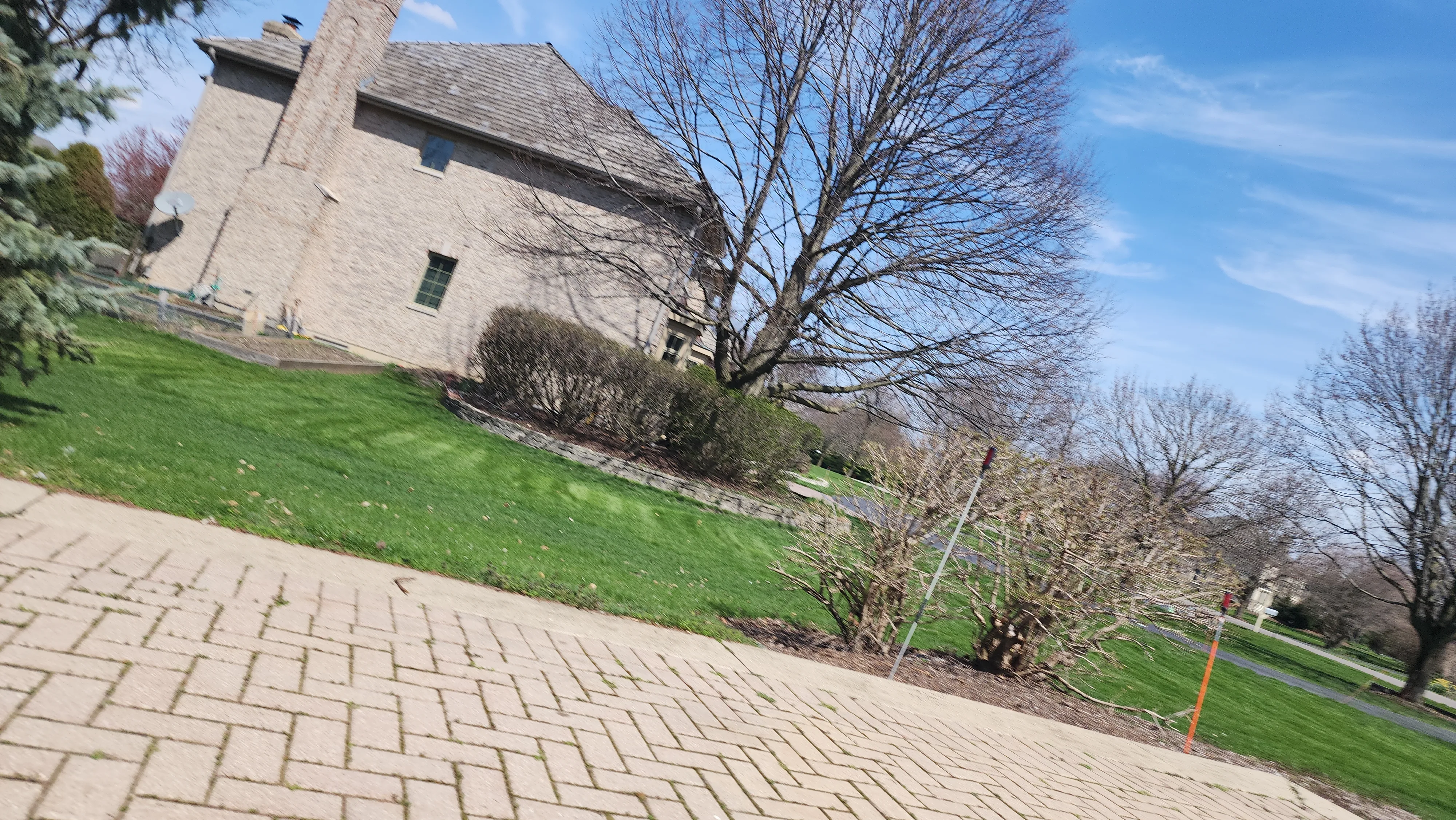
Photograph the tree on the house, the point of impact, any visible damage to shingles and structure around the contact point, and any interior damage (water stains, ceiling punctures, debris). Photograph the base of the tree to show where it broke or uprooted. If it's a neighbor's tree, photograph its stump location relative to the property line.
This documentation is essential for your insurance claim. Take more photos than you think you need. Adjusters want to see the full picture of how the tree landed, what it damaged, and what the property looked like before cleanup started.
Emergency Tarping
Any opening in your roof is an invitation for water damage that compounds by the hour. If it's raining or rain is in the forecast, emergency tarping needs to happen as soon as possible.
Professional emergency tarping on a tree-damaged roof is different from a standard shingle repair tarp. The crew may need to work around the tree itself if removal hasn't happened yet. They'll cover the exposed area with heavy-duty poly tarps, secured to the decking with 2x4 nailers and screws. The goal is a watertight seal that will hold through multiple storms until the permanent repair can begin.
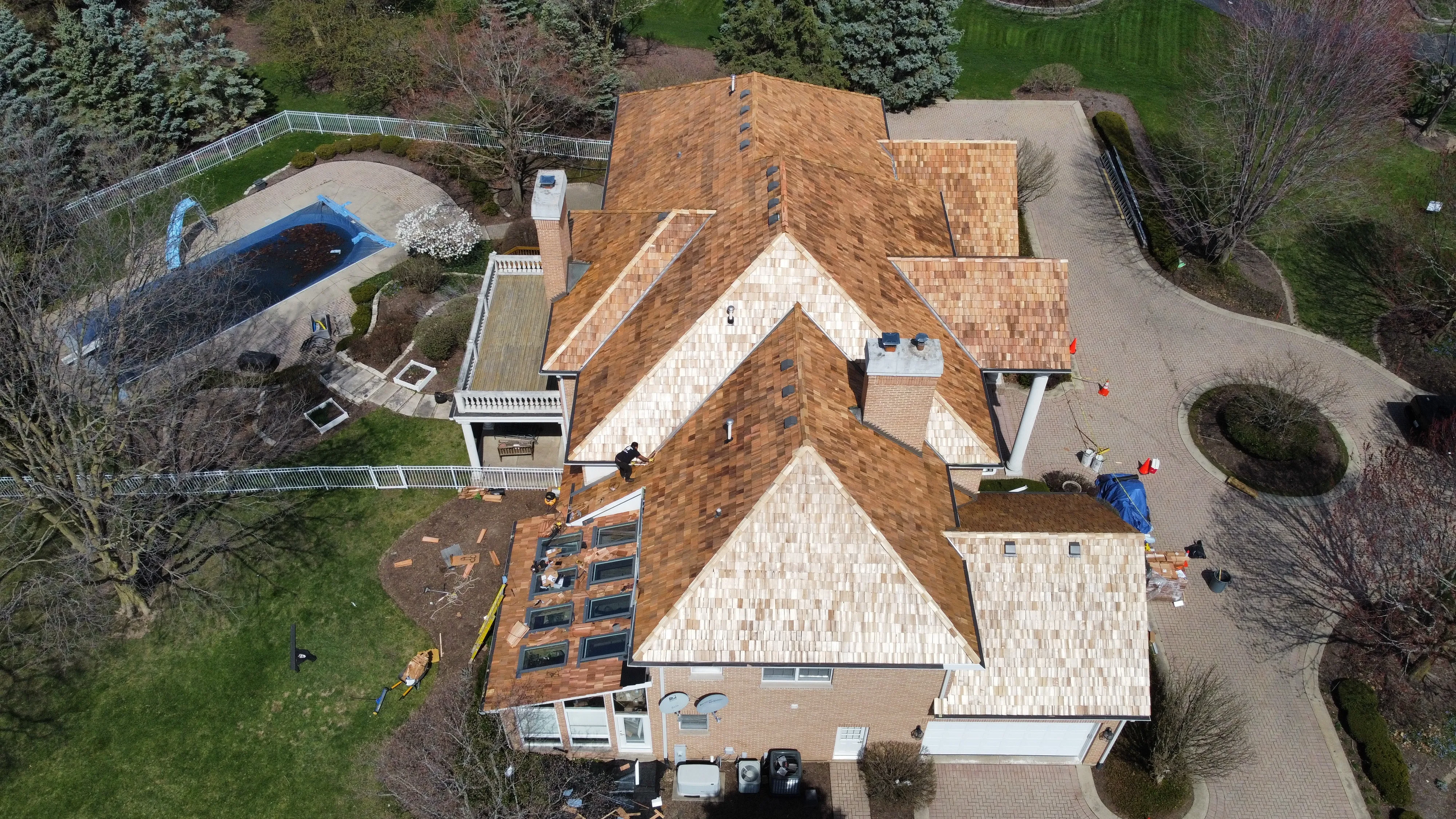
Call for emergency roof repair immediately. Most qualified storm restoration contractors can dispatch a tarping crew the same day. Do not attempt to tarp around a tree yourself. The damaged structure is unstable, and the combination of height, wet surfaces, and compromised decking is extremely dangerous.
Tree on Your Roof Right Now?
We dispatch emergency tarping crews the same day. Call us directly for immediate response, or submit the form and we'll call you back within minutes.
Get My Free InspectionOr call (708) 847-5095
Tree Removal: Who Does What
Tree removal from a roof is a specialized operation. The tree needs to come off in sections, carefully, to avoid dropping additional weight onto the already-damaged structure. A tree service handles the cutting and rigging. A roofing contractor handles the structural assessment and tarping underneath as sections are removed.
A good storm restoration contractor coordinates both services. They've done this before and know how to sequence the removal and repair so the work progresses safely.
Don't hire the first tree service that shows up offering cash deals. Tree removal from a structure requires proper insurance, equipment, and experience. A crew that drops a section of trunk onto an already-weakened truss can turn a $15,000 repair into a $50,000 rebuild.
Insurance Coverage for Tree Damage in Illinois
Standard Illinois homeowner policies cover damage from fallen trees under your dwelling coverage section. This applies whether the storm knocked the tree over, lightning struck it, or the weight of ice brought it down. You'll pay your deductible, and the insurance policy covers the rest.
Most policies also include tree removal coverage, typically $500 to $1,000 per tree for removal from the structure. If the tree is on the ground in your yard but not touching the house, that's usually not covered. The coverage applies specifically to removing the tree from the dwelling or other insured structures.
For a complete walkthrough of the claims process, see our guide on how to file a roof insurance claim. Here's the question homeowners always ask: what if it's the neighbor's tree? In Illinois, you file on your own policy. A healthy tree that falls in a storm is considered an act of nature. Your neighbor isn't liable unless the tree was dead or diseased and they were previously notified in writing that it posed a hazard. Keep that in mind for the future if you notice a dying tree on a neighboring property.
Temporary Housing If You Can't Stay
If the tree compromised the structure enough that the home is uninhabitable, your homeowner policy's additional living expenses (ALE) coverage kicks in. ALE pays for a hotel, rental house, or other temporary housing, plus additional food costs above your normal expenses, while your home is being repaired.
ALE coverage typically has a cap, often 20% of your dwelling coverage amount. On a home insured for $300,000, that's $60,000 for temporary living costs. Keep receipts for everything: hotel stays, restaurant meals, laundry, and any other expenses you wouldn't have incurred if you were living at home.
Contact your insurance company as soon as you know you'll need temporary housing. They may have a preferred hotel program or can direct you to their ALE process. Don't wait until you're desperate. Getting the paperwork started early makes the whole experience less stressful.
The Repair Timeline
Same day: Emergency tarping to stop water intrusion.
Days 1 to 3: Tree removal from the structure. Full damage assessment by roofing contractor, including structural inspection of trusses and decking.
Days 3 to 7: Insurance claim filed. Adjuster scheduled.
Days 7 to 21: Adjuster visit. Scope of work finalized. Materials ordered.
Days 21 to 45: Structural repairs (if needed), decking replacement, new roofing installed. Timeline varies significantly based on the extent of structural damage.
Minor impacts from small limbs might wrap up in two weeks. A full-size tree that collapsed a section of roof structure can take two months or more. Your contractor should give you a realistic timeline once they've completed the damage assessment. For more on what drives the schedule, see our guide on how long roof replacement takes.
Preventing Future Tree Damage
After the immediate crisis is resolved, take a hard look at the other trees on your property. Dead trees, trees with large dead branches (called "widow makers" for a reason), and trees leaning toward your home are all preventable risks.
Regular tree trimming keeps branches away from your roofline. A certified arborist can evaluate tree health and recommend removal for trees that pose a structural risk. The cost of proactive tree maintenance is a fraction of what a tree-on-house repair costs, even after insurance.
If you're in Naperville, Elmhurst, Hinsdale, or any of the heavily-wooded western suburbs, tree-on-roof events are part of living in the area. Having a contractor you trust before the emergency happens saves you from making rushed decisions under pressure. Our 8-point contractor checklist covers exactly what to verify before you hire anyone.