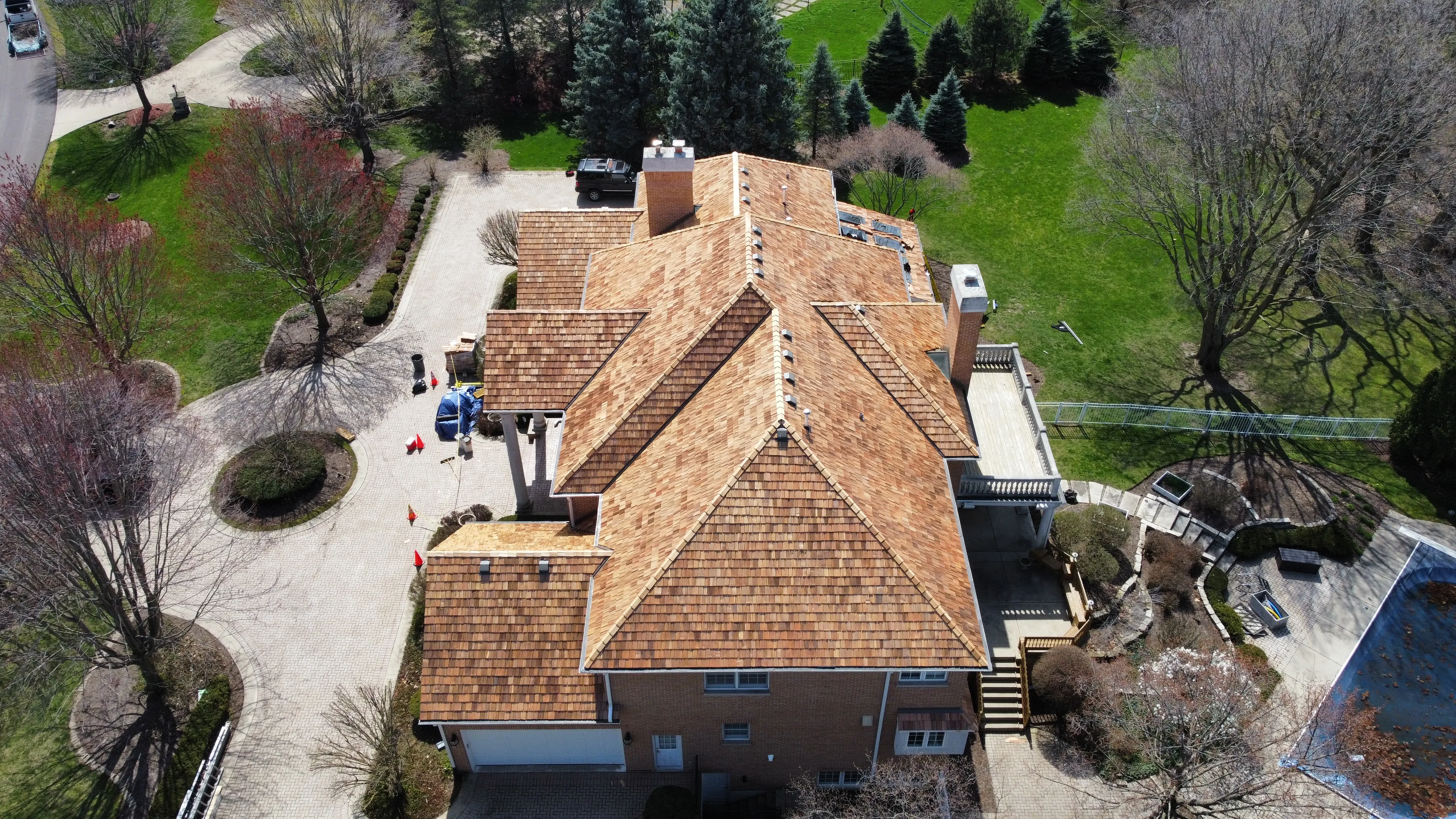






Roof leaks rarely announce themselves with a dramatic waterfall through the ceiling. Most start quietly, doing damage for weeks or months before you notice anything wrong. If your roof is already actively leaking, skip ahead to our guide on what to do when your roof is leaking for immediate steps. The earlier you catch a leak, the cheaper and simpler the fix. Catch it late, and you're dealing with rotted decking, ruined insulation, mold remediation, and a repair bill that could have been a tenth of the size.
Here are the signs to watch for, organized by where you'll spot them.
Interior Signs: What You'll See Inside Your Home
Water Stains on Ceilings and Walls
The most obvious sign is a brownish-yellow stain on your ceiling, usually with irregular, ring-like edges. These stains grow darker and larger with each rain event. If you see one, the leak has been active long enough for water to saturate the insulation, pass through the vapor barrier, and soak the drywall. That means the actual damage started well before the stain appeared.
Wall stains are trickier. Water can run down inside the wall cavity from a roof penetration and show up as discoloration near windows, along baseboards, or at wall-ceiling joints. If the stain is on an exterior wall or upper floor, the roof is likely the source.
Peeling or Bubbling Paint
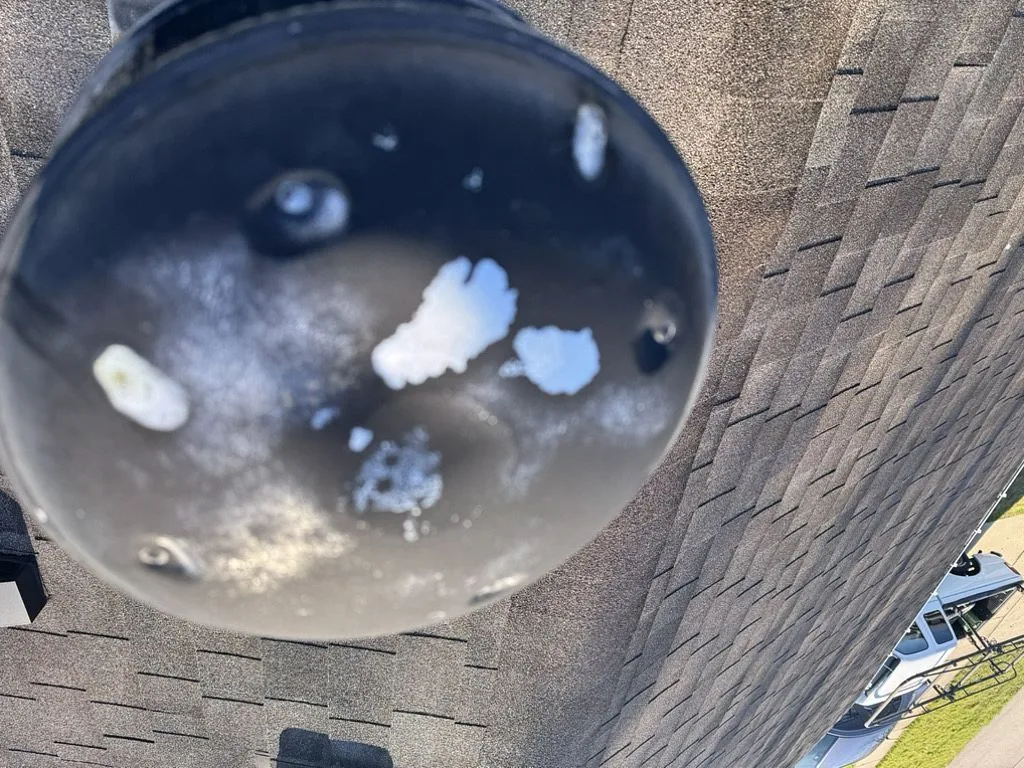
When moisture gets trapped between drywall and paint, the paint loses adhesion and starts to bubble, crack, or peel. This is especially common on ceilings and the upper sections of exterior walls. If you're repainting and the new coat peels within months, moisture is almost certainly the culprit.
Musty Smell
A persistent musty or earthy odor in upper-floor rooms, closets, or hallways often means mold is growing somewhere you can't see. Mold thrives in the warm, damp environment that a roof leak creates inside an attic or wall cavity. If the smell is strongest after rain or in humid weather, a roof leak is the likely source.
Mold Growth
Visible mold on ceiling corners, around windows, or along wall-ceiling joints is a serious warning sign. By the time mold is visible in your living space, the colony behind the wall or above the ceiling is usually much larger. Mold remediation costs escalate quickly, which is another reason to address leaks before they reach this stage.
Exterior Signs: What You'll See From the Ground
Missing, Cracked, or Curling Shingles
Walk around your home and look up at the roof from various angles. Missing shingles are obvious, but also watch for shingles that are curling at the edges, cracked across the face, or buckled. Three-tab shingles are especially prone to wind lift after 15 to 20 years. Architectural shingles like GAF Timberline HDZ hold up better, but they're not immune to storm damage.
Damaged or Missing Flashing
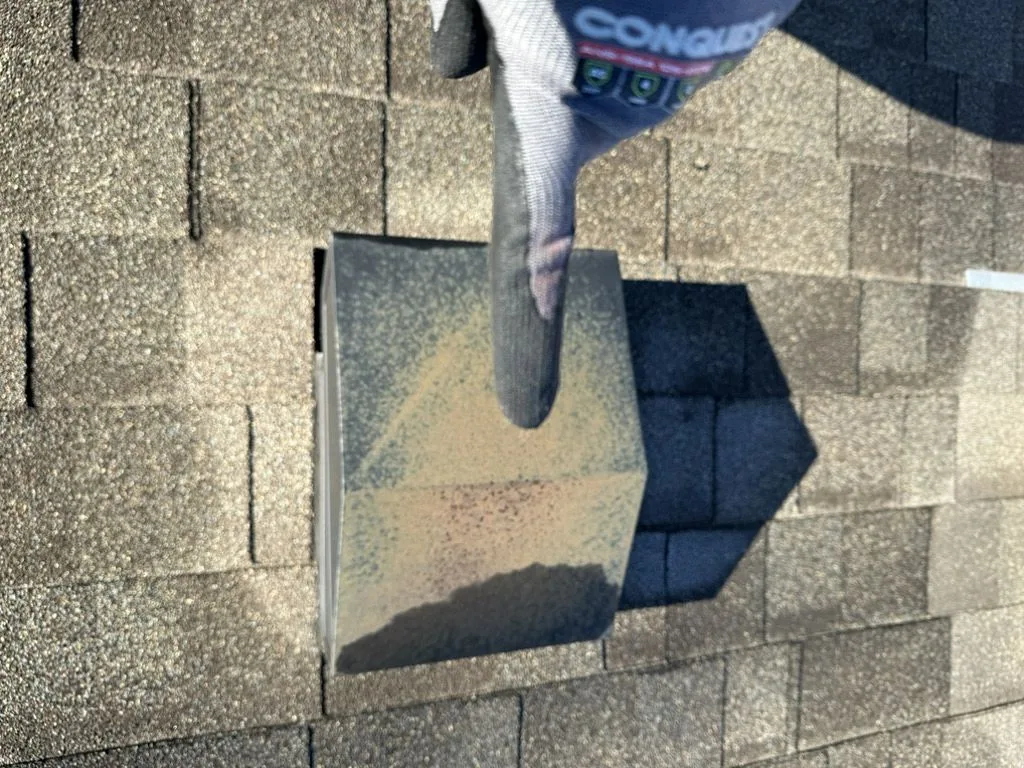
Flashing is the metal material installed around chimneys, vents, skylights, and where the roof meets a wall. If flashing is bent, rusted, separated, or missing entirely, water has a direct path into your home. Flashing failure is one of the most common causes of roof leaks, and it's frequently overlooked during casual inspections.
Granules in Your Gutters
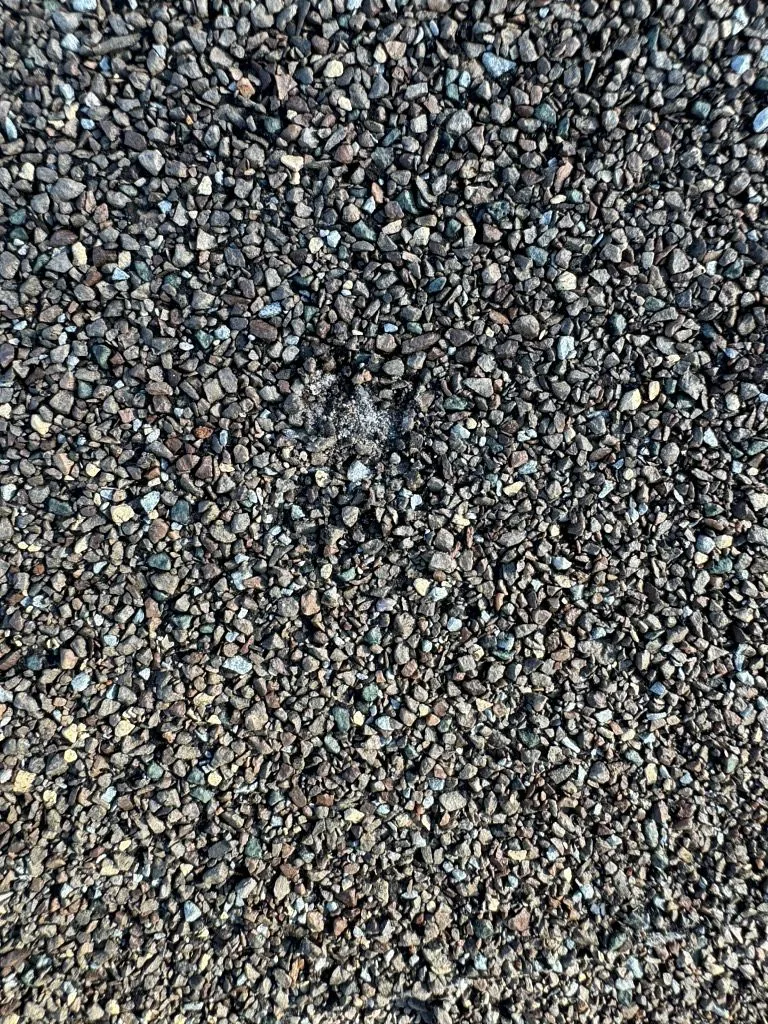
Asphalt shingles are coated with ceramic granules that protect the underlying mat from UV radiation and weather. When you see a heavy accumulation of granules in your gutters or sand-like grit piling up at downspout exits, your shingles are losing their protective layer. Some granule loss is normal on new roofs during the first year, but heavy shedding on a roof older than two years means trouble.
Seeing These Signs on Your Roof?
A free Haag-certified inspection tells you exactly what's going on up there. We document every finding with photos so you know what needs attention and what doesn't.
Get My Free InspectionOr call (708) 847-5095
Free Storm Damage Inspection
Haag-certified inspectors. Full photo documentation. Adjuster meeting and supplements for documented misses.
Get My Free InspectionOr call (708) 847-5095
Attic Signs: The Place Most Homeowners Never Check
Your attic is where roof leaks live before they become visible downstairs. Checking your attic twice a year, and after every major storm, can save you thousands.
Daylight Through the Decking
Go into your attic during the day, turn off the lights, and look at the underside of the roof. If you see pinpoints of daylight coming through, you've got holes in the decking or sheathing. These are active or imminent leak points. Very large hail can crack decking and punch through shingle and underlayment. NOAA Storm Events lists 4.8 inch hail at Darien, DuPage County, on March 10, 2026 (NOAA event record).
Wet or Compressed Insulation
Insulation that's damp, stained, or flattened has been exposed to water. Fiberglass batts lose virtually all their insulating value when wet, and they don't recover when they dry out. Compressed or water-stained insulation means water has been coming in long enough to saturate the material. This also drives up your heating and cooling bills because the compromised insulation isn't doing its job.
Dark Stains or Mold on Rafters
Run your flashlight along the rafters and sheathing. Dark staining, discoloration, or visible mold growth indicates ongoing moisture exposure. Pay special attention to areas around roof penetrations like plumbing vents, exhaust fans, and chimney chases. These are the most common entry points.
When Signs Mean Repair vs. Replacement
Not every leak sign means you need a new roof. A missing shingle or failed flashing seal is often a straightforward repair. But when you're seeing multiple signs at once, like granule loss, curling shingles, and attic moisture, the roof system is failing broadly and spot repairs won't solve the problem.
Age matters too. An asphalt shingle roof in the Chicago area typically lasts 20 to 25 years. If your roof is over 15 years old and showing several of these signs, replacement is usually the more cost-effective path. If the damage is from a recent hail event, your insurance may cover the full replacement minus your deductible, regardless of the roof's age.
The only way to know for sure is to get a professional roof inspection. A Haag-certified inspector can distinguish between storm damage and normal wear, which matters when you decide whether to file a claim. Your policy sets its own terms; check your declarations page.